Author: mamali

  • BestAIToolix.com Overview: A Simple Framework for Researching Software Like an Analyst

    Introduction

    People who work with numbers are used to asking, “Where did this data come from?” Yet when they choose software, many skip that question. They read a sales page, check the price, and sign up. Later they find that the tool cannot handle their data size, hides key limits behind higher plans, or does not work with the files they already use.

    Software choices deserve the same habits as good research: check the source, check the details, and note what is unknown. BestAIToolix.com is a website that supports this approach. It brings together software discovery, product profiles, comparisons, software reviews, and rankings. This article explains what the platform offers and how to build a careful process, including a software buying guide you can adapt to your own work.

    The Short Version: What BestAIToolix.com Does

    BestAIToolix.com is a research website for software. You can use it to find products, read organized details about each one, and set them side by side.

    The idea behind it is evidence. Many sites pass along what vendors say. This one tries to show how well each detail is supported. Here is how:

    • Evidence states work a bit like confidence labels. They show how strong the support is for a piece of information.
    • Unknown details stay visible, so gaps are not hidden.
    • Category-specific methods judge each type of software by what matters for that type.
    • Methodology documents explain how the research is done.
    • Vendor-managed corrections let companies fix factual errors.
    • User reviews, rankings, and buying guide content add extra angles.

    Buyers can weigh products on pricing, deployment models, capabilities, integrations, privacy, licensing, company-size fit, and technical traits. What matters most is up to the buyer.

    People Who May Find It Helpful

    Each group asks different questions.

    Professionals want tools that fit their daily work and are quick to learn.

    Developers look for technical facts, such as API access, license terms, and hosting choices.

    Startups need tools that suit a small budget and can grow with the team.

    Businesses ask how a product handles more users, more records, and stricter rules.

    Technology teams and IT teams think about setup, upkeep, and how the tool works with other systems.

    Organizations evaluating new tools often need a record of why one product was picked over another.

    Software buyers in general want clear details before they commit.

    The Software Fields on the Platform

    The platform covers a wide range. It includes artificial intelligence, DevOps, cloud infrastructure, cybersecurity, observability, project management, marketing, finance, HR, databases, creative software, IT operations, sales, and other areas.

    Imagine a large software directory arranged like a filing cabinet. Each drawer is a category, each folder is a product, and each folder has a profile inside. You open a drawer, pick a folder, and read what is in it.

    Every field has its own concerns. Database tools raise questions about record limits, import options, and backups. DevOps tools raise questions about pipelines and hosting. Creative tools raise questions about file formats and output quality. A single checklist cannot cover all of these.

    Users can also read software reviews from other buyers. These add the everyday view, such as how a tool handles large files or whether the menus make sense.

    Treating Software Claims Like Data Points

    A good analyst does not accept a number without asking about its source, its date, and how sure we can be. Software claims deserve the same care.

    A claim on a vendor page is one data point. A user review is another. A feature list is a third. Each has its own strengths and limits. The vendor knows the product best but wants to sell it. A user knows daily life with it but may have different needs.

    Independent software reviews are valuable because they add a data point that is not shaped mainly by marketing. They can say what the sales page will not, such as a limit that appears only on cheaper plans.

    Other details matter too. What features does it have? How is it priced? Where can it run? Does it connect with your tools? What are the privacy and license terms? What company size is it built for? Then ask how well each claim is supported, and how recent the information is. A proper software comparison puts all of this together, so no single claim carries too much weight.

    Facts to Collect Before You Compare

    Before you compare products, collect facts about your own needs. Otherwise, you will not know what to measure.

    • The real need. Describe the job in a sentence or two.
    • Must-have features. Mark what you cannot do without.
    • Budget and users. Multiply price by real headcount, and check billing period.
    • Data and file formats. Note what you need to bring in and take out.
    • Integrations. List the tools it must work with.
    • Deployment. Decide between cloud, self-hosted, or either.
    • Security, privacy, and licensing. Know how sensitive your data is.
    • Scalability, support, and ease of use. Think about how much you will grow and who will learn the tool.

    Buyers rarely end up with the same result. A solo researcher and a growing firm will weigh these facts differently. That is why people searching for the best software tools should think of “best” as “best for the job I have,” since no single tool suits everyone.

    Special Checks for AI Products

    AI products need a few more questions, because their results can vary and their inner workings are harder to see.

    Begin with what the tool can actually do. Test accuracy on tasks that look like your own. If the answers matter, check them against original sources. Next, look at data handling. Where do your files and prompts go? Are they saved? Could they help train the model?

    Then check the pricing model, API availability, integrations, deployment options, and any business requirements.

    An AI tools directory helps at the start, since products are grouped by use, such as summarizing, writing, transcription, or coding help. When you compare AI tools, use the same tests and questions for each one, so the results are fair. People looking for the best AI tools for their own needs can then base their choice on evidence, not on hype.

    How Organizations Approach Bigger Decisions

    In an organization, a software choice reaches many people. A wrong choice is costly to undo. Price matters, but it is only one part of the picture.

    A careful business software comparison usually covers:

    • Business goals: What should the software help accomplish?
    • Team requirements: Who will use it, and what skills do they have?
    • Total cost: Include setup, training, add-ons, support, and renewals.
    • Security and compliance: Which rules and standards apply?
    • Integrations: Does it work with existing systems?
    • Scalability: Can it support growth in users and data?
    • Vendor information: What is known about the company and its support?
    • Technical fit: Does it suit your infrastructure?
    • User experience: Will people be comfortable using it?

    It also helps to keep a short written record of the decision. When someone asks later why you chose a tool, the answer is easy to find.

    Five Steps, Analyst Style

    Use these steps in order, and your research will stay clean.

    Step 1: Define the Actual Requirement

    State the question first. What problem must the software solve? Who will use it? What are your limits on cost, privacy, and timing? A short written note keeps you honest later.

    Step 2: Create a Shortlist

    Do not try to check everything. Choose one category and pick three to five products that fit your note. A short list makes deeper checks possible.

    Step 3: Compare Important Factors

    Use the same criteria for every product. Check features, pricing, integrations, privacy, deployment, licensing, and company-size fit. Changing the rules halfway through gives unfair results.

    Step 4: Review Evidence and User Information

    Check how solid your information is. Read user feedback, note the dates, learn how ratings were made, and separate confirmed facts from unknown ones. Each unknown becomes a question for the vendor.

    Step 5: Make a Requirement-Based Decision

    Return to your first note and choose the product that solves that exact problem. Test it with a small real task before you commit. Save your notes, since they become the base of your own software buying guide for the next round.

    Missteps That Skew Your Results

    Even careful buyers can make these seven mistakes.

    1. Ignoring the date on information. Prices, plans, and features change. Old reviews may describe a different product.
    2. Mixing opinions with facts in your notes. Label what is confirmed and what is only someone’s view.
    3. Changing the criteria midway. If you judge each product by different rules, the comparison means nothing.
    4. Making a shortlist before the requirement is clear. You may end up choosing from the wrong group.
    5. Staying with a poor tool because of time already spent. Sunk effort is not a reason to keep something that does not fit.
    6. Overlooking file formats. Check that the tool can read and write the formats you already use.
    7. Trusting an import promise without a test. Try a real import before you commit.

    A Made-Up Story: A Small Research Team Picks a Data Tool

    Anvil Research Desk is a two-person team that collects public information on about 300 companies for a small newsletter. Their data lives in several spreadsheets. Duplicates creep in, and a freelance editor sometimes overwrites cells by mistake.

    First, they write their needs. They want one place to store company records, a way to bring in their existing spreadsheets, read-only access for the editor, regular backups, and a price that suits a small team. Nobody on the team is a programmer.

    Second, they open the database category and pick four products.

    Third, they compare the four on price, record limits, hosting, spreadsheet import and export, privacy, and fit for small teams. One tool is powerful but must be installed on their own server, which they cannot manage. Another has a low price but caps the number of records on the cheap plan. A third offers view-only sharing only on a higher plan.

    Fourth, they read user feedback and check what is confirmed. Users of one tool praise its easy import. Others say its formulas are limited. One profile does not say which formats can be exported, so they list it as an open question.

    Finally, they test their top choice by importing their real spreadsheet of 300 companies, inviting the editor with view-only access, and exporting the data back out. Everything works. They choose it because it fits their size, skills, and budget. Now duplicates are easy to spot, and the editor can read everything without changing anything.

    Two Tables That Make Research Easier

    The first table decodes common phrases on product pages and suggests better questions.

    Phrase You May SeeWhat It May Leave OutA Better Question
    “Unlimited”Fair-use rules or speed limitsUnlimited what, and under what conditions?
    “AI-powered”What the AI actually doesWhich tasks use AI, and what data does it see?
    “Works with everything”Which tools, and how deeplyWhich exact tools are supported, and how?
    “Secure”The specific protectionsWhat login, encryption, and access controls exist?
    “Free forever”Limits and paid-only featuresWhat can I not do on the free plan?
    “Trusted by thousands”Who those users areAre they similar to me in size and needs?

    The second table compares three common ways to handle data, which can help when choosing a data tool.

    ApproachGood ForWatch Out For
    SpreadsheetSmall data sets and quick checksDuplicates, version mix-ups, weak sharing controls
    Hosted table or database toolSmall teams that want easy sharingRecord limits, plan costs, export options
    Self-hosted databaseLarge or sensitive data and full controlSetup effort, upkeep, backup duties

    Questions and Answers

    1. Why do people who work with numbers still need to research software carefully?
    Because tools shape the work. A tool with hidden limits or weak sharing controls can cause errors, delays, or extra cost.

    2. What is the difference between a spreadsheet and a database?
    A spreadsheet is a grid that is easy to use for small tasks. A database stores records in a more organized way and handles large or linked data better.

    3. How do I know a tool can handle the size of my data?
    Check record limits and speed reports, then test with your real data. A small demo may not show how it behaves at full size.

    4. Should I pick a tool that many people in my field use?
    Popularity can be a useful clue, but it does not prove fit. Use it to build a shortlist, and then check your own needs.

    5. How can I judge whether an AI tool’s answers are reliable for research?
    Compare its answers with original sources on a set of test questions. Note where it makes mistakes, and never treat its output as final without checking.

    6. What should a small team check about sharing and permissions?
    Check if you can give view-only access, limit who can edit or delete, and see who changed what.

    7. Is it better to use one all-in-one tool or several focused ones?
    It depends. One tool means fewer logins and simpler billing, while focused tools may do each job better. Choose based on your needs and how well the tools connect.

    8. How do I know if a review is recent enough to trust?
    Look at the date and the product version if it is given. Products change, so newer reviews usually describe the current version better.

    9. How do I run a fair test using my own data?
    Use the same sample for each product and the same tasks. Write down results in one place so you compare like with like.

    10. What information should I avoid using while testing a new tool?
    Avoid private or sensitive records until you have checked how the tool handles data. Start with sample or public data.

    Final Word

    Good software choices follow a clear method. Start with a written requirement. Collect product information, compare a short list, read what real users say, and check how strong the evidence is and how recent it is. Then weigh your business needs and technical limits before you decide.

    BestAIToolix.com supports this method by keeping categories, product profiles, comparisons, reviews, rankings, and methodology in one place, while showing what is still unknown. Whether you are a solo professional, a developer, or part of an IT team, the idea is the same. Look at many factors instead of relying only on popularity, price, or advertising, and your decision will be easier to trust.
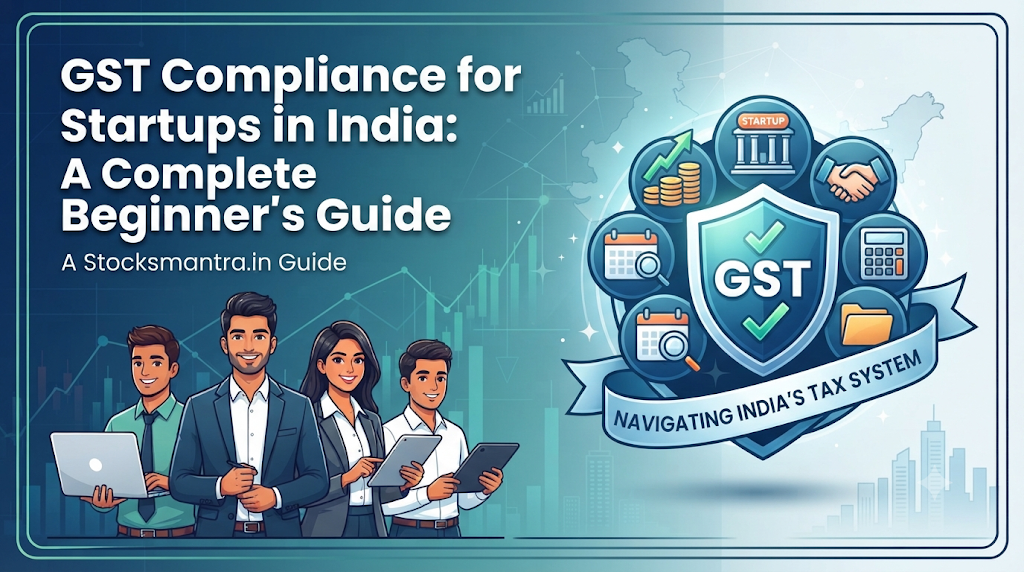

  • GST Compliance for Startups in India: A Complete Beginner’s Guide

    Introduction

    Starting a new business is exciting. You have a great product idea, a passionate team, and big dreams. But once the excitement settles down, reality sets in. One of the biggest administrative hurdles for any young company in India is dealing with taxes.

    For most founders, tax laws feel like a foreign language written in a maze. Words like “input tax credit” or “reverse charge mechanism” can sound intimidating. If you ignore them, your startup can face heavy financial penalties or even get locked out of government tenders.

    This guide breaks down GST compliance for startups in very simple words. You will learn what it is, why it matters, how the process works, and how to avoid costly mistakes that trap many first-time entrepreneurs.

    What Is GST Compliance?

    Goods and Services Tax (GST) is a single indirect tax applied on the supply of goods and services across India. It replaced a complex web of old taxes like VAT, service tax, and excise duty.

    GST compliance means meeting all the legal requirements and rules laid down by the GST governing body. It is not just about paying tax once a year. It is an ongoing cycle that includes:

    • Registering your business on time.
    • Issuing proper tax invoices to clients.
    • Filing regular return forms to report your sales and purchases.
    • Paying the correct tax amount to the government on schedule.

    Why Does It Matter?

    If you do not follow these rules, the government charges interest and late fees. More importantly, big companies and investors in India hesitate to work with startups that have messy tax records. Clean compliance shows that your business is mature and trustworthy.

    How GST Works for Startups

    To understand how GST affects your daily operations, you need to look at the flow of money and goods.

    When you sell a product or service, you add GST to your bill and collect it from your customer. This is called output tax. On the flip side, when you buy raw materials, software, or office supplies for your business, you pay GST to your vendors. This is called input tax.

    The magic of GST lies in a system called Input Tax Credit (ITC). Instead of paying tax twice on the same value, the government lets you deduct the tax you already paid on your business purchases from the tax you collected from your customers. You only pay the net difference to the government.

    Practical Example

    Imagine you run a software-as-a-service (SaaS) startup.

    1. You buy cloud hosting services for your servers and pay 1,000 rupees in GST.
    2. You sell software subscriptions to your clients and collect 4,000 rupees in GST.
    3. Because of Input Tax Credit, you do not pay the full 4,000 rupees to the government. You subtract the 1,000 rupees you already paid, and you only pay the remaining 3,000 rupees.

    When Does a Startup Need to Register for GST?

    One of the first questions founders ask is: “Do I need a GST number right from day one?”

    The short answer is: Not always, but often yes.

    The Turnover Threshold

    In India, the general rule is that if your annual aggregate turnover crosses 40 lakh rupees for goods (or 20 lakh rupees for services), you must register for GST. However, this threshold changes depending on whether your startup operates in special category states (like northeastern states), where the limit is lower.

    When Registration Is Mandatory Regardless of Turnover

    Even if your startup makes zero revenue, you must register immediately if you:

    • Sell goods or services through online e-commerce platforms (like Amazon or Flipkart).
    • Make interstate sales (selling goods or services to customers in another state).
    • Fall under the Reverse Charge Mechanism (RCM), where you must pay tax directly to the government instead of the seller.

    Important Factors to Understand

    Navigating the GST portal requires understanding a few core pillars that govern monthly and annual workflows.

    1. Invoicing Rules

    You cannot just write an informal receipt on a piece of paper. A valid GST invoice must include specific details:

    • Your unique GSTIN (GST Identification Number).
    • A sequential invoice number.
    • The customer’s name and address (if registered).
    • The HSN code (Harmonized System of Nomenclature) for goods or SAC code (Services Accounting Code) for services.
    • The exact tax rate and tax split (CGST, SGST, or IGST).

    2. Return Filing Cycles

    Compliance is rhythmic. Depending on your startup’s size, you will file returns monthly, quarterly, or annually. The primary forms include:

    • GHS-1: Details of all outward supplies (sales you made).
    • GHS-3B: A monthly summary of your sales, purchases, and net tax payable.
    • GSTR-9: The annual return consolidating all financial data of the fiscal year.

    Common Mistakes Startups Make

    Even smart founders stumble when dealing with tax regulations. Here are the most common traps and how to avoid them.

    1. Mixing Personal and Business Expenses

    • What people do: Using the company bank account or credit card to pay for personal groceries or family travel, then trying to claim GST input tax credit on those bills.
    • Why it happens: Founders often treat the startup as an extension of their personal wallet in the early stages.
    • Why it causes problems: The tax department tracks business expenses closely. Claiming personal expenses is illegal and invites audits and heavy penalties.
    • What you should do instead: Maintain a strict separation between personal and business finances. Only claim ITC on genuine business inputs.

    2. Delaying GST Registration While Scaling

    • What people do: Waiting until the end of the financial year to register, even though interstate sales crossed the threshold months ago.
    • Why it happens: Fear of compliance costs and paperwork delays.
    • Why it causes problems: Operating without registration when it is mandatory makes all past sales illegal under tax law, leading to massive retrospective penalties.
    • What you should do instead: Monitor your monthly revenue closely. The moment you plan to sell across state borders, apply for GST immediately.

    3. Forgetting Reconciliation

    • What people do: Filing GSTR-3B blindly without matching their purchase books with the auto-populated GSTR-2B data on the portal.
    • Why it happens: Assuming software or accountants handle everything automatically without human oversight.
    • Why it causes problems: If your vendor forgets to file their returns, your Input Tax Credit gets blocked, creating unexpected cash flow crunches.
    • What you should do instead: Always reconcile your purchase register with the government portal before hitting submit.

    Risks and Limitations

    While GST aims to create a unified national market, startup operators face specific structural risks.

    Working Capital Blockage

    If your customers are slow to pay or if you deal with long sales cycles, you still have to pay your monthly GST dues on the date of invoice generation or supply, regardless of whether the client has paid you yet. This can strain a startup’s cash reserves.

    Vendor Compliance Dependency

    Your right to claim tax credits depends entirely on your suppliers. If a vendor fails to deposit the tax they collected from you into the government treasury, you lose your tax credit. This forces startups to vet their supply chains carefully.

    Decision Framework: Managing GST In-House vs. Hiring an Expert

    Should you manage GST filing yourself or outsource it? Use this step-by-step framework to decide.

    1. Assess Transaction Volume: If your startup processes fewer than 10 invoices a month and has zero interstate sales, basic accounting software might suffice.
    2. Evaluate Internal Expertise: Does anyone on your founding team have tax experience? If not, the learning curve risks distracting you from core product development.
    3. Calculate Risk vs. Cost: Hiring a chartered accountant (CA) or a specialized tax tech platform costs money, but it is vastly cheaper than paying penalties for missed filings.
    4. Choose Your Path: For 95% of growing tech or product startups, outsourcing compliance to a qualified professional or automated SaaS tool is the safest route.

    Checklist for Startup GST Health

    Before the end of every month, run through this verification checklist to ensure your startup remains safe and compliant:

    • Are all outward sales invoices correctly generated with your GSTIN and HSN/SAC codes?
    • Have you verified that all vendors uploaded their invoices so your ITC reflects in GSTR-2B?
    • Is your GSTR-1 matched and filed before the monthly deadline (usually the 11th)?
    • Have you paid your net tax liability and filed GSTR-3B before the monthly due date (usually the 20th)?
    • Are customer advance payments accounted for and taxed correctly?
    • Is your digital signature certificate (DSC) or Electronic Verification Code (EVC) active and valid?

    Key Terms

    • CGST: Central Goods and Services Tax; collected by the central government on intra-state supplies.
    • SGST: State Goods and Services Tax; collected by the state government on intra-state supplies.
    • IGST: Integrated Goods and Services Tax; applied on interstate supplies and imports.
    • GSTIN: A unique 15-digit alphanumeric code assigned to every registered taxpayer.
    • HSN Code: A standardized system used to classify goods for taxation purposes.
    • SAC Code: A code used to classify and identify various types of services.
    • Reverse Charge Mechanism: A rule where the buyer of goods or services pays the tax directly to the government instead of the seller.
    • Input Tax Credit: The credit you receive for the GST paid on business purchases, which reduces your final tax liability.
    • GSTR-2B: An auto-generated statement that shows the eligible input tax credit available to your business based on your vendors’ filings.
    • E-way Bill: An electronic document required for the movement of goods worth more than specific monetary limits across state or city borders.

    FAQs

    Can a startup get GST registration for free?

    The government does not charge a fee to issue a GSTIN. However, if you hire a chartered accountant or a legal consultant to file the paperwork for you, they will charge a professional service fee.

    What happens if my startup files its GST returns late?

    Late filing attracts two types of penalties: late fees (a fixed amount per day for CGST and SGST) and interest (charged at an annual rate, usually around 18 percent) on any unpaid tax amount from the due date until the actual date of payment.

    Do service-based startups need GST registration?

    Yes, if your aggregate turnover crosses the threshold limit of 20 lakh rupees in a financial year, or if you provide services to clients located in another state or country (export of services), registration becomes mandatory.

    Can I cancel my GST registration if my startup shuts down?

    Yes. If you close your business, pivot to a non-taxable sector, or if your turnover drops below the mandatory threshold and you no longer wish to stay registered voluntarily, you can apply for cancellation of your GSTIN on the official portal.

    Is GST required for selling software or digital products?

    Yes. Software, SaaS subscriptions, and digital downloads are treated as services under GST laws and attract standard tax rates (typically 18 percent in India).

    What is the difference between intra-state and inter-state sales?

    Intra-state sales happen within the same state, where you charge CGST and SGST. Inter-state sales happen when you sell to a customer in a different state, where you charge IGST.

    Do I need GST registration to export services from India?

    Yes, you need a GST registration even if your exports are zero-rated (meaning you do not pay tax on the export itself). Registration is necessary to claim refunds on the taxes you paid for inputs used to create that exported service.

    Conclusion

    GST compliance does not have to be a nightmare that keeps founders awake at night. By understanding the core mechanics of registration, maintaining clean digital records, and reconciling your input tax credits every month, you protect your startup from unexpected financial shocks.

    Treat tax compliance as a foundational pillar of your business operations rather than an afterthought. Getting the basics right early on saves your startup time, money, and energy, allowing you to focus on what truly matters: building a great product and growing your market.

  • Understanding IVFHospitalsNow.com Before You Search for a Fertility Provider

    There’s usually a specific trigger — an unsuccessful year of trying, a test result, a family history conversation that suddenly gets serious. And then, almost immediately, you’re expected to understand words like ICSI, follow cost breakdowns that don’t match anything you’ve seen before, and make sense of success percentages that different clinics seem to calculate differently. Nobody sits down and explains the basics first.

    IVFHospitalsNow.com was built to be that missing first step. It’s an independent education and provider-discovery platform for fertility care — not a clinic, and not a substitute for what a specialist will eventually tell you — designed so someone can walk into that first real appointment already understanding the vocabulary and the moving pieces. This article goes through what the site actually explains, who tends to use it, and a workable approach to researching fertility care without feeling buried.

    The Actual Problem IVFHospitalsNow.com Is Solving

    Fertility information online tends to fall apart in one of two directions. Either it’s written for other medical professionals and assumes a vocabulary most people don’t have yet, or it’s someone’s individual story on a forum that doesn’t necessarily apply to anyone else’s situation, age, or diagnosis.

    IVFHospitalsNow.com sits between those two extremes. It doesn’t perform procedures or offer opinions on individual cases — it organizes the pieces that usually get skipped: what different treatments actually involve, how providers differ from each other, what typically drives cost up or down, and how to read a published success rate without assuming it applies directly to your own circumstances.

    The Kinds of People Who End Up Here

    This isn’t only useful for people who’ve already decided on a specific treatment. It tends to help:

    • Someone who just had a difficult conversation with their doctor and doesn’t yet know what questions to ask next
    • A person specifically comparing egg freezing cost against other options before making any commitment
    • Someone weighing whether IVF treatment abroad genuinely makes financial sense for their situation, or just sounds cheaper on the surface
    • A partner trying to get up to speed on terminology so they can actually participate in decisions, not just support from the sidelines
    • Someone with a specific diagnosis, like endometriosis, trying to understand how that connects to broader fertility treatment options

    What’s Actually on the Platform

    Beyond IVF itself, coverage extends to ICSI, IUI, egg freezing, fertility testing and medication, conditions like PCOS and endometriosis, male-factor infertility, and then the practical layer most people actually need first — provider research, cost structure, success-rate interpretation, and country-specific information for anyone considering treatment outside their home country.

    Someone whose main concern is endometriosis is going to spend time in a different corner of this material than someone purely comparing clinic pricing. That range exists because fertility research rarely starts from the same place for two different people.

    The Treatments Themselves, Explained Plainly

    At its core, fertility care splits into a handful of distinct approaches, and understanding the difference makes any doctor’s recommendation far easier to follow later.

    IVF combines an egg and sperm in a lab environment, then transfers the resulting embryo. ICSI is a closely related technique where a single sperm is injected directly into an egg — this is the actual context behind ICSI vs IVF, since the two work together rather than sit as competing choices. Generally, ICSI becomes relevant when sperm quality or count is a specific concern, though that’s a clinical determination, not something to work out from an article.

    IUI is a lower-intervention option, placing sperm directly into the uterus, and is sometimes tried before anything more involved. Egg freezing works differently altogether — it’s about preserving future options rather than addressing a current fertility issue, which is exactly why people researching it tend to ask about egg freezing cost specifically, rather than success statistics.

    Reading about these fertility treatment options as a connected group, rather than picking up one unfamiliar term at a time, is really what makes a doctor’s explanation land properly the first time it’s given.

    Where the Real Confusion Around Cost and Success Comes From

    Two subjects generate more confusion than everything else combined: what treatment actually costs, and whether it’s likely to work.

    IVF treatment cost varies partly because pricing structures aren’t standardized across providers. Some quote a base procedure fee and bill consultations, testing, medication, and storage as separate line items. Others build more into an upfront number. Medication cost alone can shift a lot depending on individual dosage and response. None of this is arbitrary — it’s just rarely explained clearly, which is why asking directly what a specific quote includes tends to matter more than comparing headline prices.

    IVF success rates involve a different kind of confusion — not about hidden costs, but about what a number is actually measuring. A rate calculated per embryo transfer looks very different from one calculated per cycle started, and neither means much without knowing the age range and diagnosis mix of the patients behind it. Two providers can report similar-looking percentages while describing genuinely different outcomes.

    Actually Comparing Providers

    Once treatment terminology and cost structure start making sense, the natural next step is narrowing down real providers.

    A search for IVF clinics near me is a sensible filter to start with, mostly because fertility treatment involves frequent monitoring visits that get exhausting with a difficult commute. But that filter answers a logistics question, not a quality one. Beyond proximity, it’s worth checking what services a provider handles directly rather than outsources, how their medical team is structured, what their published cost information actually covers, and how openly they explain their own success figures.

    This is the stage where people genuinely compare IVF clinics — not by defaulting to whichever is closest or cheapest, but by weighing several factors that don’t always agree with one another.

    Weighing Treatment Somewhere Else Entirely

    For some people, a cost concern or limited local availability pushes the research beyond their own country.

    IVF treatment abroad research adds a layer of complexity that local research simply doesn’t have. Legal frameworks around donor eggs, sperm, and embryo storage differ meaningfully between countries, and a procedure considered routine in one place may be restricted elsewhere. There’s also the logistical side — coordinating travel around a treatment cycle, arranging accommodation, managing a language barrier, and figuring out how test results and medical records move between providers in different countries.

    IVF cost by country genuinely does vary, but the underlying reasons are more structural than most people assume — regulatory differences, labor costs, and what’s bundled into a quoted price all contribute. A lower headline price in one country doesn’t automatically translate into lower total spending once travel and extended stays are added in.

    Organizing the Research Into Something Manageable

    Start by naming the actual gap. Are you missing an understanding of a treatment, a real cost estimate, a way to compare providers, or how to read a success figure? Trying to close all of these at once is usually what turns the process overwhelming.

    Build the vocabulary before comparing anything. Understanding IVF, ICSI, and IUI at even a basic level makes every following step faster.

    Shortlist providers using more than convenience. Services handled directly, team background, and transparency about cost matter as much as location.

    Compare the details side by side rather than one page at a time. Cost breakdowns and published outcomes are far easier to evaluate together.

    Turn the research into a list of questions, not a self-diagnosis. The goal isn’t reaching your own conclusion — it’s arriving at an appointment with sharper things to ask.

    Patterns That Trip People Up

    • Focusing entirely on the lowest quoted price without checking what’s left out of it
    • Taking a single published success percentage at face value without asking how it was calculated
    • Assuming ICSI and IVF are interchangeable rather than suited to different situations
    • Picking a provider mainly for convenience, then discovering their services don’t actually match the need
    • Skipping legal research before seriously considering treatment abroad
    • Treating anything read online, including this article, as a substitute for what a specialist says about an individual case

    A Example

    Consider Aarav and Sneha, a fictional couple who’d been trying to conceive for over a year without success before their doctor suggested a fertility workup. Neither had researched anything before that appointment, so their first move afterward wasn’t picking a clinic — it was trying to understand what their doctor’s terminology actually meant, including why fertility treatment options kept getting mentioned as plural rather than a single obvious path.

    Once the basics made sense, they compared two providers, focusing mainly on what lab and embryology work each one performed in-house rather than outsourced elsewhere. One clinic’s website emphasized a high published success rate, but neither Aarav nor Sneha could tell from the page whether that figure was calculated per cycle or per embryo transfer — a question they wrote down for their actual consultation. Cost differences between the two providers came down almost entirely to what was bundled into the initial quote versus billed separately later, which turned out to matter more than the headline number itself.

    They briefly wondered about IVF treatment abroad after a relative mentioned it, but decided their situation didn’t call for it once they understood how much travel and extended stays typically add to the total. By their consultation, they had a specific, written list of questions rather than a general sense of anxiety about the whole process.

    A Reference Table

    What to Understand FirstWhy It Matters Before Comparing Providers
    ICSI vs IVFDetermines what kind of lab procedure applies to your situation
    IVF treatment costProviders bundle different services into their quoted price
    IVF success ratesNumbers can be per cycle or per transfer, with different patient groups behind them
    Fertility treatment optionsNot every option applies to every diagnosis
    IVF treatment abroadLegal and travel factors add real complexity beyond just price

    Questions People Commonly Ask

    Is IVFHospitalsNow.com the same thing as a fertility clinic?
    No. It’s an educational and provider-discovery platform, meant to prepare someone for a specialist’s advice rather than replace it.

    What’s the actual relationship between ICSI and IVF?
    ICSI is typically used alongside IVF, injecting a single sperm directly into an egg, usually when sperm-related factors are involved. They work together rather than being separate treatment paths.

    Why do two clinics quote such different numbers for IVF treatment cost?
    Because pricing structures aren’t standardized. Some bundle testing and medication into the quote; others list these as separate charges.

    How should someone actually interpret a clinic’s published IVF success rates?
    By asking whether the figure reflects per-cycle or per-transfer outcomes, and whether it’s based on patients in a similar age range and diagnosis category.

    What matters most when I compare IVF clinics beyond the price tag?
    Services handled directly rather than outsourced, medical team background, and how transparently a provider explains its own cost and success information.

    Does a search for IVF clinics near me actually solve the research problem?
    It solves a logistics problem, since fertility treatment involves frequent visits, but it says nothing about the quality of care.

    What should I understand before seriously researching IVF treatment abroad?
    That legal rules around donors and procedures vary significantly by country, and that travel plus extended stays affect the real total cost.

    Why does IVF cost by country differ so much between places?
    Regulatory frameworks, labor costs, and what’s bundled into the quoted price all play a role — it’s rarely just one country being universally cheaper.

    Is egg freezing cost a single payment, or does it continue over time?
    It typically involves separate charges for the retrieval procedure, medication, and ongoing storage, which continues as long as the eggs are kept.

    Conclusion

    Fertility research doesn’t move in a straight line — someone researching cost usually circles back to treatment terminology, and someone comparing providers often ends up rethinking what actually matters about success rates. IVFHospitalsNow.com is organized around that reality, so the basics don’t have to be relearned from five inconsistent sources.

    Whether the starting point is a difficult doctor’s appointment, a proactive interest in fertility treatment options, or a direct question about egg freezing cost, the goal stays the same — walking into a real consultation with sharper, more specific questions. The decisions themselves remain between the person and their doctor.

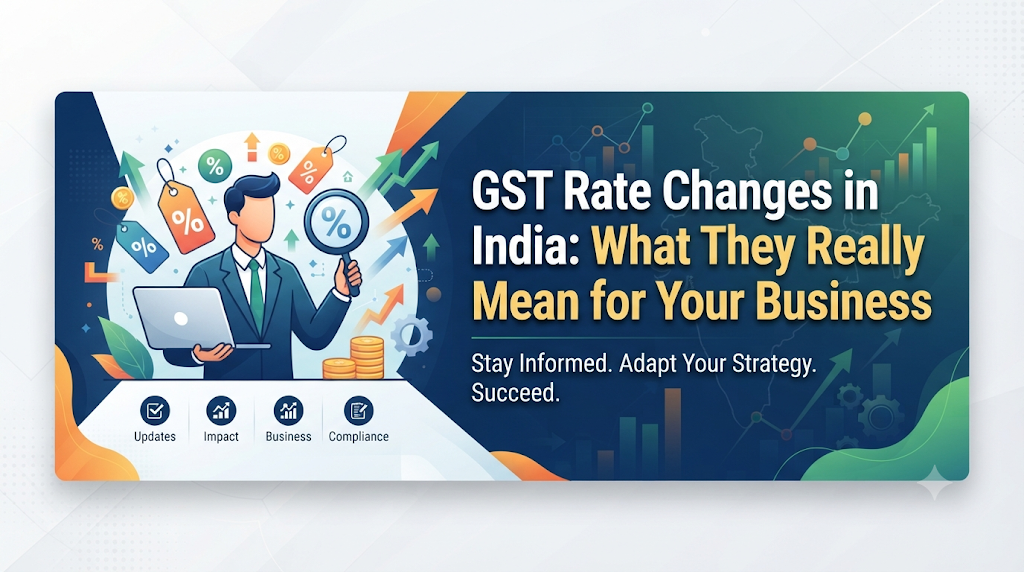
  • GST Rate Changes in India: What They Really Mean for Your Business

    Introduction

    Picture a small electronics shop owner in Pune. For years, he knew his rates by heart — mobile chargers at 18%, some accessories at 12%, a few premium items at 28%. Then, almost overnight, his accountant called and said half of that no longer applies.

    This is exactly what happened to thousands of businesses across India after September 2025. The government didn’t just tweak a few rates. It restructured the entire GST slab system, moved hundreds of products between categories, and tightened how input tax credit works.

    For a business owner, this is not just a tax update to skim past. A wrong GST rate on an invoice can mean overcharging your customer, underpaying the government, or losing credit you were counting on. And because GST touches every sale, every purchase, and every return you file, even a small mistake here can create a chain of problems later.

    This article walks through what actually changed, why it matters for your business, and how to handle the transition without making costly mistakes.


    What Is the GST Rate Change (GST 2.0)?

    GST 2.0 is the name commonly used for the rate rationalisation approved at the 56th GST Council meeting on 3 September 2025, and made effective from 22 September 2025.

    In simple words: the government looked at the old GST system, which had five main tax slabs, and decided it was too complicated. So it merged the slabs into a simpler structure.

    Before the change, GST had these main slabs:

    • 0% (exempt goods)
    • 5%
    • 12%
    • 18%
    • 28% (often with an extra compensation cess on top)

    After the change, most goods and services now fall under:

    • 0% – essential items like fresh food, basic healthcare, and education stay exempt
    • 5% – daily-use and mass-consumption items
    • 18% – the standard rate, covering most goods and services, including many that used to sit at 28%
    • 40% – a new top rate reserved for luxury and “sin” goods such as tobacco, pan masala, aerated drinks, and high-end vehicles

    The 12% and 28% slabs have effectively been retired for most items. Products that were at 12% mostly moved down to 5%. Products that were at 28% mostly moved to 18%, unless they belong to the luxury or sin goods category, in which case they moved up to 40%.

    Why it matters: if your product used to be taxed at 12% or 28%, its rate has almost certainly changed. Continuing to bill at the old rate is not a small clerical slip — it is a compliance error that can trigger penalties or customer disputes.


    How the New GST Slabs Actually Work

    Think of the new system as a funnel with fewer openings. Earlier, a product could land in one of five buckets. Now, it mostly lands in one of two: 5% or 18%. A small set of items sits at 0%, and an even smaller set of luxury or harmful goods sits at 40%.

    Here is a simple breakdown of how classification changed:

    Old SlabWhat Usually HappenedNew Slab
    0% (exempt)Mostly unchanged0%
    5%Mostly unchanged5%
    12%Split — most items moved down5% or 18%
    18%Mostly unchanged18%
    28%Split — most items moved down, a few moved up18% or 40%

    A few niche rates, like 3% (on gold and some precious items) and 0.25% (on rough diamonds), continue to exist separately and were not folded into this simplification.

    Why does this design make sense? Fewer slabs mean fewer classification disputes. Under the old system, a lot of tax litigation happened simply because two similar products were taxed differently, and businesses argued about which bucket their product belonged to. A two-slab system reduces (though doesn’t eliminate) this kind of confusion.

    When should you check your rate again? Any time you introduce a new product, change a product’s composition, or notice your supplier has updated their invoice rate. Don’t assume your rate is still correct just because it “always was.”


    Why This Change Matters for Your Business

    A rate change is not just a number on an invoice. It ripples through pricing, contracts, accounting, and cash flow. Here’s where businesses actually feel the impact.

    Pricing and Customer Perception

    If your product’s GST rate dropped — say from 12% to 5% — your final price to the customer should also drop, assuming you pass on the benefit. Many businesses that didn’t adjust their selling price fast enough faced customer complaints or even scrutiny, since the government explicitly expected the rate cuts to reach consumers.

    If your product’s rate went up, you now have a harder conversation: either absorb the cost yourself or explain a price increase to customers who don’t understand the tax change.

    Contracts and Pricing Agreements

    If you have long-term supply contracts or annual rate agreements with clients, a GST rate change can throw off your pricing formula. A contract signed under the old GST assumptions may now under-recover or over-recover tax. This is easy to miss because GST changes don’t automatically update a printed contract.

    Input Tax Credit (ITC) Flow

    This is where most of the real compliance risk sits. ITC is the credit a business gets for the GST it already paid on its purchases, which it can then use to reduce the GST it owes on its sales. A rate change on its own does not usually require you to reverse ITC you’ve already claimed — but if a product becomes nil-rated (0%) instead of taxable, ITC on related purchases may need to be reversed. This distinction trips up a lot of businesses.

    Transition Stock

    If you had inventory bought or manufactured before the rate change but sold it after, the correct rate to charge depends on the date of supply, not the date you originally purchased the stock. This means many businesses had to physically go through old stock and reclassify it before billing.


    Sector-Wise Impact: Who Gains and Who Adjusts

    Not every industry feels this change the same way. Here’s a practical look at where the impact is heaviest.

    FMCG and daily-use goods: Items like soaps, shampoos, packaged snacks, and ghee mostly moved from 12% to 5%. This is generally good news — lower shelf prices can boost volume, but margins need re-checking since input costs didn’t necessarily fall at the same pace.

    Automobiles: Small cars generally moved to lower effective tax. Premium cars, SUVs, and certain high-end vehicles moved into the 40% bracket, replacing the earlier 28% plus cess structure. Dealers had to redo their pricing sheets almost overnight.

    Healthcare: Several life-saving drugs and healthcare products saw rate cuts, which is a direct relief for patients and hospitals, but pharmacies and distributors had to update billing systems fast to avoid overcharging.

    Hospitality and restaurants: Many services that sat at 12% or 18% were reorganised, affecting how hotels and restaurants price their offerings and calculate ITC on inputs like furniture and equipment.

    Tobacco, pan masala, and sin goods: These moved to the new 40% slab, replacing the old 28% plus compensation cess system. For businesses in this space, the effective tax burden needs to be recalculated carefully, since the old cess add-on worked differently from a flat 40% rate.

    Exporters and cross-border trade: Some compliance relief arrived alongside the rate change — including removal of minimum thresholds for certain export refunds — which is useful context if your business ships goods or services outside India.


    Common Mistakes Businesses Are Making

    Mistake 1: Still Billing at the Old 12% Rate

    What people do: Continue using the 12% rate in their billing software because nobody updated the product master list. Why they do it: GST rate changes at the HSN (product classification) code level, not just as a general percentage, so it’s easy to miss if you only update a summary rate. Why it causes problems: Overcharging leads to wrong ITC claims for your customer. Undercharging means you owe the difference to the government, plus interest. What to do instead: Map every product or service to its new rate using the official CBIC tariff notification — not a summary blog post — and update your billing system at the HSN code level.

    Mistake 2: Reversing ITC Unnecessarily

    What people do: Assume that because a rate dropped, they must reverse some of their input credit. Why they do it: Confusion between a rate reduction and an item becoming exempt. Why it causes problems: Unnecessary ITC reversal reduces available working capital for no real reason. What to do instead: ITC reversal is required mainly when a supply becomes nil-rated or exempt — not simply because the rate went down. Check the exact classification before reversing anything.

    Mistake 3: Ignoring Transition Stock

    What people do: Bill old inventory at the old rate because “that’s what we paid tax at.” Why they do it: It feels logical to match the purchase rate with the sale rate. Why it causes problems: GST is charged based on the date of supply, not the date of purchase. Billing at the wrong rate creates a mismatch during audits. What to do instead: Track transition stock separately and apply the rate that was in force on the date you actually supply the goods.

    Mistake 4: Not Reconciling Supplier Invoices

    What people do: Claim ITC based on their own purchase records without checking if the supplier billed at the correct rate. Why they do it: It was common practice earlier, when matching rules were looser. Why it causes problems: With the Invoice Management System (IMS) now central to ITC claims, a mismatch between what your supplier reports and what you claim can block your credit entirely. What to do instead: Review supplier invoices in the IMS regularly — accept, reject, or flag them as pending — rather than assuming everything is correct.


    Risks and Limitations to Watch

    Risk: Blocked ITC due to supplier non-compliance. ITC increasingly depends on your supplier filing their returns correctly and on time. If they don’t, your credit can get blocked even if you did everything right on your end. Reduce this risk by choosing compliant suppliers and reviewing their filing status periodically.

    Risk: Misclassification disputes. Even with fewer slabs, borderline products still exist — a snack that could be “namkeen” or “confectionery,” for example, might attract different rates. Reduce this risk by relying on the exact HSN code and official notification, not a general product category.

    Risk: Cash flow strain from stricter matching. Provisional ITC allowances have been tightened, meaning businesses can no longer claim credit as freely when a supplier’s data doesn’t match. Reduce this risk by building a short reconciliation habit into your monthly closing process, rather than doing it once a year.

    Risk: Contract and pricing gaps. Old contracts that don’t account for the new rates can quietly erode your margins. Reduce this risk by reviewing any GST-linked pricing clauses in active contracts.


    A Simple Framework to Check Your Business Is Ready

    Use these steps as a practical starting point, not a replacement for professional advice.

    Step 1: Identify affected products. List every product or service you sell and check which old slab it was in.

    Step 2: Map to the new rate. Use the official CBIC notification to confirm the current rate for each HSN or SAC code — don’t rely on memory or a generic article.

    Step 3: Update your billing software. Change rates at the product level, not just in a summary settings screen.

    Step 4: Review transition stock. Separate old inventory and apply the rate based on date of supply, not date of purchase.

    Step 5: Reassess your pricing and contracts. Check if selling prices and any GST-linked contract clauses need updating.

    Step 6: Tighten your ITC process. Review supplier invoices through the Invoice Management System regularly instead of waiting until return filing time.

    Step 7: Reconcile monthly, not annually. Match your purchase records against GSTR-2B every month so mismatches get caught early, not during an audit.


    Compliance Checklist Before Your Next GST Filing

    • Have you mapped every product’s HSN code to its current GST rate?
    • Is your billing software reflecting the updated rates, not just a summary percentage?
    • Have you separated and correctly billed any transition stock?
    • Have you checked whether any of your supplies became nil-rated (which may need ITC reversal)?
    • Are you reviewing supplier invoices in the Invoice Management System regularly?
    • Have you updated GST-linked clauses in ongoing contracts?
    • Have you reconciled your ITC claims against GSTR-2B this month?
    • If you’re in a luxury or sin-goods category, have you recalculated your effective tax rate under the new 40% slab?

    Key Terms to Know

    • HSN Code: A numeric code used to classify goods for tax purposes. The GST rate is technically tied to this code, not just a product’s general name.
    • Input Tax Credit (ITC): The credit a business gets for GST already paid on purchases, which reduces the GST owed on sales.
    • GSTR-2B: An auto-generated statement showing the ITC available to a business, based on what suppliers have reported.
    • Invoice Management System (IMS): A system where businesses review supplier invoices and accept, reject, or flag them before claiming ITC.
    • Nil-rated supply: A supply taxed at 0%, which can affect whether related ITC needs to be reversed.
    • Compensation Cess: An additional charge that used to apply on top of the 28% slab for certain goods; largely folded into the new 40% rate for affected items.
    • Date of Supply: The date used to determine which GST rate applies to a transaction, regardless of when the goods were purchased or manufactured.
    • CBIC: The Central Board of Indirect Taxes and Customs, the body that issues official GST rate notifications.
    • GST Council: The body responsible for deciding GST rates and rules, made up of central and state government representatives.
    • Provisional ITC: A limited allowance that once let businesses claim some credit even if a supplier hadn’t filed returns; this allowance has been significantly tightened.

    Frequently Asked Questions

    1. What is GST 2.0?
    GST 2.0 refers to the rate rationalisation approved in September 2025, which reduced India’s GST structure from five main slabs to mainly two — 5% and 18% — with a separate 40% slab for luxury and sin goods.

    2. From when are the new GST rates applicable?
    The new rates took effect on 22 September 2025, following approval at the 56th GST Council meeting held on 3 September 2025.

    3. Do I need to reverse ITC because my product’s rate dropped? Not automatically. ITC reversal is mainly required when a supply becomes nil-rated or exempt, not simply because the tax percentage decreased. Always verify the exact classification before reversing credit.

    4. My product used to be taxed at 12%. What rate applies now? The 12% slab has been removed for most items. Products from this slab mostly moved to either 5% or 18%, depending on the specific classification. Check the official CBIC notification for your exact HSN code.

    5. How do I bill old stock that I purchased before the rate change?
    Bill it based on the GST rate in force on the date you supply (sell) the goods, not the rate that applied when you originally purchased or manufactured them.

    6. What replaced the 28% GST slab?
    Most items from the 28% slab moved to 18%. A smaller set of luxury and sin goods, which previously had 28% plus an extra compensation cess, now falls under the new 40% slab.

    7. How does the Invoice Management System affect my ITC claims?
    The IMS requires you to actively review and act on supplier invoices. If a supplier hasn’t filed their return correctly, or if there’s a mismatch, your ITC claim can be affected, so regular review matters more than before.

    8. Are all goods now taxed at either 5% or 18%?
    Most are, but not all. A few niche rates, like 3% for gold and 0.25% for rough diamonds, still exist outside this two-slab structure, and 0% still applies to essential exempt items.

    9. Will GST rates change again soon?
    GST rates are reviewed periodically by the GST Council, and further adjustments are possible over time. Businesses should treat rate-checking as an ongoing habit, not a one-time task.

    10. What is the biggest compliance risk after this rate change? For most businesses, the biggest risk isn’t the rate change itself but how it interacts with stricter ITC matching rules — a supplier’s filing error can now block your credit more easily than before.


    Conclusion

    GST 2.0 is often described as a simplification, and in terms of rate slabs, it genuinely is — two main rates are easier to work with than five. But simpler tax rates don’t automatically mean simpler compliance. The real work for businesses lies in re-mapping every product to its correct rate, handling transition stock properly, and adapting to a stricter, more data-driven ITC system.

    The businesses that come out ahead are the ones treating this as an ongoing process rather than a one-time update — checking HSN codes carefully, reviewing supplier invoices regularly, and reconciling records every month instead of scrambling before a filing deadline. If your business handles a large or complex product range, it’s worth having a tax professional review your classification at least once, since a small misclassification can quietly cost you far more than the time it takes to fix it.

  • Concerts, Comedy Shows, Workshops: How HyderabadOrbit Organises It All

    Picture this. It’s Thursday evening, and you’re trying to figure out what to do this weekend in Hyderabad. You check one app, then a couple of Instagram pages, then ask a friend. By the time you’ve pieced together a few options, an hour has gone by, and you’re still not sure what’s actually worth attending.

    This is the exact gap HyderabadOrbit tries to fill. It’s a platform built around one city — Hyderabad — and it brings event listings and general city information together in one spot. Instead of jumping between different sources, people can look in one place to figure out what’s happening and what’s worth checking out. This article explains what HyderabadOrbit actually does, who it’s meant for, and how someone might use it in everyday life.

    What Does HyderabadOrbit Actually Do?

    HyderabadOrbit is a platform focused entirely on Hyderabad. It brings together event discovery, ticketing, entertainment listings, and general city exploration content.

    The reason event discovery feels hard is simple — there’s no single source most people rely on. A concert might be promoted on one page, a workshop only shared in a private group, and a food event known only to a small circle. People end up missing things not because they weren’t interested, but because they never came across the information in the first place.

    HyderabadOrbit works as a shared space for this kind of information. It doesn’t separate events from general city content — both sit together, so someone checking an event can also browse nearby spots worth visiting.

    Who Is This Platform Meant For?

    It’s not built with just one type of person in mind. Here’s a look at who might find it useful.

    Hyderabad residents can use it to keep track of what’s going on locally, rather than depending on scattered social media posts.

    Students often search for low-cost entertainment or workshops that match their free time and budget.

    Professionals might check it for weekend ideas, conferences, or business meetups worth attending.

    Families typically look for events that work well for both children and adults.

    Tourists can use the city guide content to explore parts of Hyderabad that aren’t always on the usual travel checklist.

    Event organisers use it slightly differently — they list their own events and share ticket information for people browsing similar categories.

    What Kind of Events Show Up Here?

    The listings generally fall into a set of broad categories.

    Music

    This includes live performances, band shows, and other music-related events happening across the city.

    Concerts

    Before attending concerts in Hyderabad, people usually want to know the artist, the venue, and the general price range. Having all of this in one listing cuts down the guesswork.

    Comedy Shows

    Comedy shows in Hyderabad have become quite popular in recent years. Most people check the comedian’s name and the show timing before deciding to book.

    Workshops

    Workshops in Hyderabad cover a broad mix — art, cooking, coding, public speaking, and more. Some focus on building a skill, others are purely recreational.

    Nightlife

    For nightlife events in Hyderabad, people typically want clarity on the venue, entry timing, and any dress code before making plans.

    Food Events

    Pop-up food stalls, tasting sessions, and small food festivals also fall under this category, giving people a reason to explore something new.

    Business and Technology Events

    Meetups, conferences, and tech gatherings sit here — useful for professionals who want to network or stay updated in their industry.

    Culture and Festivals

    This covers cultural exhibitions, festivals, and events connected to the city’s traditions and history.

    Family-Oriented Events

    Fairs, kid-friendly activities, and weekend shows for mixed age groups also fall under this bucket.

    How People Search for Events in Hyderabad

    When looking for events in Hyderabad, most people filter based on a few things — the type of event, the date, the location, and sometimes who it’s meant for.

    Some start with an interest, like comedy or food, and then check what’s available on a specific date. Others already know which day they’re free and browse based on that. Ticket details usually come at the very end, once the event already looks worth attending.

    This kind of filtering makes the process faster than scrolling through listings that don’t apply.

    Planning Around Hyderabad Events This Weekend

    Weekend plans tend to come together quickly, often with little notice. For Hyderabad events this weekend, there are a few checks worth doing before locking anything in.

    Start by confirming the date matches your free day. Then look at the type of event, since that’s what decides whether it’s worth your time. Location matters too — a long travel distance can shift your entire plan. After that, check ticket availability, any age restrictions, and the exact timing.

    None of these checks work well alone. A solid weekend plan usually needs all of them lining up together.

    Looking Ahead: Upcoming Events in Hyderabad

    Not everyone plans last minute. Some prefer to look further out. For upcoming events in Hyderabad, this usually means browsing listings with future dates instead of only this week’s options.

    Useful details to check include the event date, venue, and category. Registration steps and ticket information matter too, especially for events with limited seating.

    Planning ahead like this helps avoid missing events that need early booking.

    Beyond Events: Things to Do in Hyderabad

    Not every plan needs a formal event attached to it. Sometimes people are simply looking for things to do in Hyderabad on a day off.

    This could mean walking through a local market, trying a food street you’ve never been to, or checking out a heritage spot nearby. A good day doesn’t always need a scheduled event — it can be a mix of a small plan and some open-ended exploring.

    This is where HyderabadOrbit’s broader city content adds something extra, sitting alongside its event listings rather than separate from them.

    Exploring Places to Visit in Hyderabad

    City exploration isn’t limited to events alone. It also covers physical places worth visiting. For places to visit in Hyderabad, there are a few broad categories to keep in mind.

    Heritage places offer a look into the city’s past. Food-focused areas are good for people who want to try local dishes. Shopping districts suit those hunting for markets or malls. Entertainment venues cover cinemas and similar spots. Family-friendly destinations work well for outings with kids or elders. And neighbourhood walks let you take in one part of the city at a relaxed pace.

    Each category fits a different kind of day, depending on what you’re looking for.

    Checking Event Tickets Before You Book

    Once an event catches your interest, the ticket details need a closer look. For event tickets Hyderabad, here’s what’s usually worth confirming.

    Check that the date and venue match what you expected. Confirm the timing so you know when to show up. Look at the ticket type — general entry or reserved seating — since it can change your whole experience. Make sure the price is clearly listed before you commit. Check entry rules, such as age limits or ID requirements. And where cancellation or refund terms are mentioned, it’s worth reading them beforehand.

    Spending a few minutes on this can prevent confusion on the day itself.

    How Organisers Can Publish Events on HyderabadOrbit

    There’s another side to this platform that’s worth mentioning — the people who create events, not just the ones attending them. HyderabadOrbit includes tools for publishing listings and managing ticket information.

    Organisers can set up an event with details like the date, venue, category, and a short description. Once it’s live, the listing becomes visible to people browsing that particular category. Ticket pricing and entry conditions can be added at the same time.

    It’s worth being honest here — publishing a listing doesn’t guarantee a fixed turnout or a certain number of ticket sales. What it does offer is a structured way to put an event in front of people already interested in that kind of category.

    HyderabadOrbit’s Role in City Exploration

    Apart from events, HyderabadOrbit also functions as a general city resource. This includes content around food spots, nightlife areas, neighbourhoods, heritage sites, shopping districts, and ideas for weekend outings.

    This content often works together with event listings. Say someone comes across a comedy show happening on a Friday night. After deciding to attend, they might then look for a place to eat nearby, or a spot worth visiting before the show starts. Event discovery and city guides tend to complement each other this way.

    A Simple 5-Step Way to Plan Your Time

    Here’s a rough process that shows how someone might use a platform like this in practice.

    Step 1: Decide What You’re In the Mood For

    Start broad — music, comedy, food, learning, business, nightlife, or something family-friendly.

    Step 2: Search by Date and Location

    Look for events that match your interest, along with the day and area that suit you.

    Step 3: Go Through the Event Details

    Check the date, time, venue, ticket type, and any entry conditions before deciding.

    Step 4: Sort Out the Practical Side

    Think through travel time, parking, and whether food needs to be planned before or after.

    Step 5: Check What’s Nearby

    Once your main plan is set, see if there’s anything else close by worth fitting in.

    Common Mistakes People Make While Planning

    A few small oversights can turn an easy plan into a messy one.

    Going by the Event Name Alone

    A catchy title doesn’t tell you the date, time, or venue. Check those separately every time.

    Skipping the Travel Time Check

    Even a great event can feel like a hassle if the travel time wasn’t part of the plan.

    Not Reading Ticket Terms Closely

    Price, ticket type, and entry conditions are easy to overlook but easy to regret skipping.

    Sticking to Just One Plan

    A weekend doesn’t have to revolve around one single event. Adding a second small plan often works better.

    Overlooking Start and End Times

    This matters more if you’ve got something else scheduled right after.

    Relying on Old Information

    Event details can change quickly. It’s worth confirming that what you’re looking at is current.

    Choosing Purely Based on Popularity

    The most talked-about event isn’t always the one that actually suits your taste.

    A Quick Example

    Think of someone working a regular job in Hyderabad, free on a Sunday afternoon. They want to do something worthwhile without spending too much time planning it out.

    They start by checking what’s on for the day. Two options stand out — a small workshop in the afternoon and a comedy show later that evening. They compare the timing and travel distance for both.

    The comedy show fits better with their schedule, so that becomes the plan. Before heading out, they also check a nearby food spot they’ve been wanting to try for a while.

    This shows how looking at one event alongside nearby options often leads to a better day than planning around just one single thing.

    Quick Reference: What Fits What

    What You’re Looking ForWhere to Check
    Live musicConcerts and gigs
    Stand-up comedyComedy shows
    Learning a new skillWorkshops
    A night outNightlife events
    Family outingsFamily activities
    Trying new foodFood events
    Exploring the cityPlaces to visit
    An open weekendEvents plus local spots

    Checklist Before Heading to an Event

    DetailWhy It Matters
    DateConfirms it falls on your free day
    TimeTells you when to arrive and leave
    VenueWhere you actually need to go
    Ticket typeAffects entry and seating
    Travel timeHelps you decide when to leave
    Entry rulesCovers age or ID requirements

    Frequently Asked Questions

    1. What exactly is HyderabadOrbit?
    A platform focused on events, tickets, and general city information for Hyderabad.

    2. What kind of content does the platform cover?
    Music, comedy, workshops, nightlife, food events, and city exploration guides.

    3. How do I search for events happening in Hyderabad?
    By filtering listings based on category, date, location, or personal interest.

    4. How can I check what’s happening this weekend?
    Look at listings sorted by date and compare venue, timing, and ticket details.

    5. Where do I find events happening later in the month?
    Under upcoming listings, sorted by future dates and category.

    6. How do I find concerts happening around the city?
    Browse the music or concert category and check the artist, venue, and price range.

    7. Where can I check comedy show listings?
    Under the comedy category, along with the comedian’s name and show timing.

    8. How are workshops usually grouped?
    By subject or skill, covering both hobby-based and professional topics.

    9. What should I check before booking an event ticket?
    Date, venue, ticket type, price, entry rules, and refund terms if mentioned.

    10. Can I list my own event on the platform?
    Yes, organisers can create a listing and add ticket details for others to view.

    Conclusion

    HyderabadOrbit brings together several kinds of local information — events, entertainment, tickets, workshops, music, comedy, nightlife, food, culture, family activities, and general city exploration.

    For someone trying to plan a day or a weekend in Hyderabad, having this range of information in one place cuts down the usual back-and-forth of checking multiple apps and pages. Whether it’s confirming a concert’s timing, comparing ticket details, or finding a good spot to visit nearby, this kind of platform is built to support that planning from the first search right through to the actual outing.

  • Hip Replacement Surgery Abroad: A Recovery and Follow-Up Planning Guide

    Introduction

    Most people spend weeks researching the operation itself. Far fewer think about the days after it. Where will you rest? Who will help you walk? What happens when you fly home?

    These questions matter for anyone considering hip replacement surgery abroad. The operation may take a few hours, but healing takes much longer. Your recovery plan can shape how comfortable and safe the whole trip feels. This guide looks at the “after” part of the journey. It explains rehabilitation, travel home, and follow-up care in simple terms, so you can plan ahead with confidence.

    What Is Hip Replacement Surgery?

    Think of the hip as a ball sitting in a cup. The ball is the top of the thigh bone. The cup is part of the pelvis. When the smooth surface between them wears down, moving can hurt.

    In total hip replacement surgery, a surgeon removes the damaged parts. Then artificial parts, called an implant, take their place. The aim is to ease pain and help the joint move better.

    After the operation, the body needs time to heal. Muscles need to grow strong again. Most patients also work with a physiotherapist, a specialist who guides safe movement and exercise. Your surgeon can explain what recovery may look like for you. It differs from person to person.

    Why Does Recovery Planning Matter?

    Good surgery is only part of a good result. What happens next matters too.

    • Safe movement: Guided exercise helps you regain strength step by step.
    • Fewer surprises: A plan helps you handle problems calmly.
    • Travel safety: Flying soon after surgery needs your surgeon’s approval.
    • Home readiness: Your home may need small changes before you return.
    • Continuity: Your home doctor needs your reports to continue care.

    Patients who plan recovery early often feel less worried during the trip.

    What to Plan Around Your Surgery

    The Stay After the Operation

    After surgery, you usually stay in the hospital for some time. Your surgeon decides how long. Many patients then need extra days near the hospital for check-ups. Ask how long the team suggests staying in the country. Do not book a fixed return flight until you have that answer.

    Rehabilitation

    Rehabilitation means exercises and therapy that help you regain movement. Ask if a physiotherapist will see you in the hospital. Ask if therapy continues after discharge, and where. Some hospitals include this in the quote, while others charge separately.

    Costs That Show Up During Recovery

    The hip replacement surgery cost is not only the operation. Extra hotel nights, physiotherapy, medicines, and follow-up visits can add up. Travel changes can add more. Ask for a written list so you know what to expect.

    Comparing Countries

    People often compare hip replacement cost by country. But a lower price may come with a longer stay or a different rehabilitation plan. Also, there is no single best country for hip replacement surgery. The right choice depends on your health, your support at home, and how easily you can travel back.

    Looking at Hospitals

    Instead of relying on a list of the best hospitals for hip replacement, check the details. Ask about the orthopedic team, infection control, and operating facilities. Ask if there is a rehabilitation unit. Ask how the hospital handles problems after surgery, and how it works with your doctor at home.

    Talking With Surgeons

    Hip replacement surgeons should explain what recovery may involve. Ask about movement limits, walking aids, and warning signs to watch for. Ask when you can travel and what follow-up they suggest. A clear, honest answer is a good sign.

    Value Beyond the Price

    Affordable hip replacement surgery should include a fair recovery plan. If a package looks very cheap, check whether it covers therapy, medicines, and follow-up. A missing recovery plan can cost more later.

    Medical Tourism and Aftercare

    Medical tourism for hip replacement includes finding a hospital, sharing records, getting a plan, and travelling. It also includes healing and returning home. The steps can differ by hospital and country. Always ask what support exists after discharge.

    Working With a Medical Tourism Company

    A medical tourism company may help with hospital search, doctor contact, quotes, hotels, airport transfers, and papers. Some platforms, such as HipHospitals.com, describe help of this kind. Services are not the same everywhere. Ask whether the company helps after surgery too, and what that includes.

    Factors Patients Should Consider

    StageWhat to Plan
    Before travelMedical records, scan reports, medicine list, insurance check
    At the hospitalRehab plan, walking aids, discharge papers
    Near the hospitalA nearby, comfortable place to stay, and help with daily tasks
    Flying homeSurgeon’s approval, seat and assistance needs
    At homeA safe space, help from family, a local physiotherapist
    Follow-upCheck-up dates and who reviews your reports

    How to Plan Your Recovery: 5 Steps

    Step 1: Ask About Recovery Early

    When you see your orthopedic doctor, ask what recovery may involve and how long it may take for someone like you.

    Step 2: Get the Rehab Plan in Writing

    Ask the hospital what therapy is included, where it happens, and who guides it.

    Step 3: Prepare Your Stay and Your Home

    Choose a resting place that is easy to move around in. At home, ask your doctor what changes may help, such as clear walkways and safe seating.

    Step 4: Plan the Trip Home

    Ask your surgeon when it is safe to fly. Ask about any steps to reduce risks during long journeys. Keep flexible dates.

    Step 5: Arrange Follow-Up Before You Leave

    Find a local doctor or physiotherapist who agrees to continue your care. Carry your reports and implant details.

    Common Mistakes to Avoid

    Booking a Tight Return Flight

    Healing cannot be rushed. Keep your dates flexible.

    Skipping Rehabilitation

    Exercises help your body recover. Follow your care team’s advice.

    Leaving Home Unprepared

    Stairs, slippery floors, and low seats can be difficult after surgery.

    Having No Local Care Plan

    Arrange follow-up at home before you fly out.

    Forgetting Important Papers

    Bring your discharge summary, reports, and implant information.

    Ignoring Warning Signs

    Ask your surgeon which symptoms need urgent medical care, and keep their contact details handy.

    Real-Life Example

    This story is fictional and used only to explain the process.

    Grace is 65 and lives far from the country where she plans treatment. Her doctor says hip replacement may help. She and her husband start by asking about recovery, not only price.

    The hospital sends a written plan. It lists physiotherapy sessions, follow-up visits, and the time her surgeon suggests she stay nearby. Grace books a ground-floor room close to the hospital. She also asks her surgeon when it is safe to fly, and keeps her return flight flexible.

    Back home, a local physiotherapist agrees to continue her exercises. Grace’s husband keeps a folder with her reports and implant card. Her family prepares the house before she arrives. Nothing goes perfectly, but every step was planned, so problems feel manageable.

    Questions to Ask About Recovery

    TopicQuestion to Ask
    Hospital stayHow many days will I stay in the hospital?
    RehabIs physiotherapy included, and for how long?
    MovementWhat should I avoid doing while I heal?
    TravelWhen may I fly home?
    ProblemsWhich symptoms need urgent care?
    RecordsWill I receive my reports and implant details?
    Follow-upWho reviews my progress once I am home?

    Frequently Asked Questions

    1. How long should I stay after surgery abroad?
    It depends on your surgeon’s advice and how you heal. Ask for guidance before you book your return travel.

    2. When can I fly home?
    Your surgeon decides when it is safe. Do not fix a date until they approve it.

    3. Will I need physiotherapy?
    Most patients do. Your care team will explain the plan that suits you.

    4. Who takes care of me if there is a problem at home?
    Ask the hospital how it handles questions after discharge. Also arrange a local doctor before you travel.

    5. Should I travel alone for surgery?
    Many patients feel safer with a family member or friend. Recovery is easier with help nearby.

    6. What papers should I carry home?
    Bring your discharge summary, scan reports, medicine list, and implant details.

    7. Does the quote usually include recovery costs?
    Not always. Ask if physiotherapy, medicines, and extra hotel nights are included.

    8. What if my recovery takes longer than planned?
    Ask the hospital in advance how extended stays and extra care are handled and paid for.

    Conclusion

    A hip operation is one step in a longer path. Start with medical suitability, then look at the hospital, the surgeon, and the treatment plan. Think about full cost, travel, rest, rehabilitation, and the trip home. Make sure follow-up care is arranged before you leave. Good planning for both the surgery and the healing gives you a calmer, safer experience.

  • The Complete SAC Code Guide for Service Providers Under GST

    Introduction

    If you’ve ever registered for GST as a freelancer, consultant, agency, or service business, you’ve probably hit a dropdown or form field asking for your “SAC code” and had no idea what to select. This confusion is common. Unlike goods, which most people can categorize by looking at a physical product, services are intangible — a web design project and a legal consultation don’t look alike, but the tax system still needs a way to classify both precisely.

    This guide walks through what SAC codes actually are, how they’re structured, how to find the right one for your specific service, and what tends to go wrong when businesses pick the wrong code. The goal isn’t just to give you a definition — it’s to help you actually apply this correctly on your invoices and returns without second-guessing yourself every time.

    What Is a SAC Code?

    SAC stands for Services Accounting Code. It’s a classification system introduced under India’s GST framework to identify and categorize different types of services, similar to how HSN (Harmonized System of Nomenclature) codes classify physical goods.

    Every SAC code is a 6-digit number, and all service codes begin with the digits “99.” The remaining four digits narrow down the exact category and sub-category of the service. For example, broad service categories like construction, legal services, IT services, and transportation each have their own SAC code ranges, and within each range, more specific codes exist for narrower sub-services.

    Why does this matter? Because GST return filing and invoicing require you to mention this code, and in many cases, the code you select is tied to the applicable tax rate for that service. An incorrect code doesn’t just look messy on paperwork — it can create a mismatch between what you’ve declared and what the tax authority’s system expects, which sometimes triggers a query or notice even when the actual tax paid was correct.

    How the SAC Code System Works

    The 6-digit structure isn’t random. It follows a hierarchical logic:

    • The first two digits (always “99” for services) indicate that this is a service, not a good.
    • The next two digits identify the broad category of service — for instance, professional services, construction services, or transport services.
    • The final two digits narrow it down to the specific sub-service within that category.

    This structure is based on a global classification system for services, adapted for India’s GST framework. The idea is that two businesses providing similar services anywhere in the country should end up using the same code, which keeps tax reporting consistent and comparable across the economy.

    In practice, you’ll find the full list of SAC codes and their descriptions published by India’s tax authorities (through the GST portal and CBIC notifications). Since these lists and associated rates are updated periodically through government notifications, it’s worth checking the official GST portal or a current CBIC circular for the latest version rather than relying on an older printed list.

    Why SAC Codes Matter for Service Providers

    For many first-time GST registrants, the SAC code field feels like a formality. It isn’t. Here’s what actually depends on getting it right:

    Invoicing accuracy. GST-compliant invoices are expected to mention the correct SAC code for the service billed. If a client’s accounting team notices the code doesn’t match the service description, it can delay payment processing or invite questions.

    Return filing consistency. When you file your GST returns (like GSTR-1), the SAC code you use should match what’s on your invoices. Inconsistent codes across invoices and returns are one of the more common triggers for automated mismatches in the GST system.

    Rate determination. In several cases, the applicable GST rate is directly linked to the SAC code and the category it falls under. Using the wrong code could mean applying the wrong rate, which creates a real compliance problem — either you’ve undercharged tax (a liability issue for you) or overcharged it (a problem for your client’s input tax credit claim).

    Audit and scrutiny. If your business is ever selected for a GST audit or scrutiny, consistent and accurate SAC code usage across your invoices is one of the basic things an officer will check.

    Important Factors to Understand Before Choosing a SAC Code

    Your Service May Fall Under More Than One Possible Code

    Many real-world services don’t fit neatly into a single category. A digital marketing agency, for example, might offer services that touch on advertising, IT consultancy, and content creation, each of which could technically fall under a different SAC code. In these situations, the general practice is to identify the predominant nature of the service you’re billing for in that specific transaction, rather than trying to find one code that covers everything you do as a business.

    The Code Can Differ by Transaction, Not Just by Business

    It’s a common misconception that a business registers one fixed SAC code and uses it everywhere. In reality, if your business offers multiple distinct services, you may need to use different SAC codes on different invoices, depending on what was actually delivered in that transaction.

    SAC Codes and GST Rates Are Related, But Not the Same Thing

    The SAC code identifies the type of service. The GST rate is a separate piece of information that’s often, but not always, tied to specific code ranges through government notifications. Rates for various services have changed over time through official amendments, so the rate linked to a particular SAC code today may not be exactly what it was a few years ago. Always cross-check the current applicable rate against the latest official notification rather than assuming it hasn’t changed.

    How to Find the Right SAC Code for Your Service

    Step 1: Describe Your Service in Plain Terms

    Before searching for a code, write down exactly what you’re providing — not your business’s general category, but the specific service in the transaction. “Website development for a client” is more specific and useful than “IT services.”

    Step 2: Search the Official SAC Code List

    The GST portal and CBIC publications maintain the official list of SAC codes with descriptions. Search using the specific terms from Step 1 rather than broad industry labels, since broad searches often return multiple plausible codes.

    Step 3: Match the Description Closely, Not Loosely

    SAC code descriptions are often quite specific. If the description doesn’t closely match what you actually did, keep looking rather than settling for the closest general category, since a loosely matched code is one of the more common sources of later confusion.

    Step 4: Check Whether a Rate Notification Applies

    Once you’ve identified a probable code, check whether there’s a specific GST rate notification tied to that code or category. This confirms you’re not just classifying the service correctly, but also applying the correct rate.

    Step 5: Keep a Record of Your Reasoning

    For services that were genuinely ambiguous between two codes, note down why you chose the one you did. If this transaction is ever questioned later, having your reasoning on hand makes it easier to explain your classification.

    Common SAC Code Categories Service Providers Should Know

    While the exact code depends on your specific service, it helps to know the broad categories most businesses fall into:

    • Professional and consultancy services — covering legal, accounting, management consulting, and similar advisory work.
    • Information technology services — software development, IT support, and related technology services.
    • Construction services — covering various types of building, civil work, and related contracting services.
    • Business support services — including administrative support, call centers, and similar outsourced functions.
    • Transportation and logistics services — covering the movement of goods or passengers.
    • Educational and training services — covering coaching, training programs, and similar services.
    • Advertising and marketing services — covering promotional and marketing-related work.

    Each of these broad categories breaks down into multiple specific sub-codes. If your service touches more than one of these areas, go back to identifying the predominant nature of the specific transaction, as mentioned earlier.

    Common Mistakes Service Providers Make

    Using a generic “services” code instead of a specific one. Many businesses default to a broad, catch-all code because it seems easier, rather than searching for the specific sub-code that matches their actual service. This can cause mismatches later when the description doesn’t align with what was actually billed.

    Copying a competitor’s SAC code without verifying it fits. Just because a similar business uses a particular code doesn’t mean it’s correct for your specific service description. Businesses sometimes copy codes from templates or other invoices without checking the actual service match.

    Not updating the code when the business expands its services. A business that starts offering a new type of service often keeps using its original SAC code out of habit, rather than checking whether the new service needs a different classification.

    Assuming the SAC code and GST rate never change. Rates and classifications are periodically revised through government notifications. Relying on information from a few years ago without verifying it’s still current is a frequent source of errors.

    Using different codes inconsistently across invoices for the same service. If your invoicing system or team isn’t standardized, you might end up using slightly different codes for what is essentially the same service, which creates confusion during return filing and reconciliation.

    Risks and Limitations to Keep in Mind

    Risk: Return mismatches. Using inconsistent or incorrect SAC codes across your invoices and GST returns can lead to automated mismatches flagged by the GST system, which may require you to respond to a notice or clarification request.

    Risk: Incorrect tax rate application. If a wrong code leads to the wrong rate being applied, you might end up either short-paying tax (creating a liability with interest) or overcharging your client (creating input tax credit issues on their end).

    Risk: Scrutiny during audits. Inconsistent SAC code usage is one of the more visible red flags during a GST audit, since it’s an easy field to check.

    Limitation: Some services genuinely don’t have a perfect match. New or hybrid service categories sometimes don’t have an exact, unambiguous SAC code yet. In these cases, professional judgment is needed to choose the closest reasonable match, and documenting your reasoning becomes especially important.

    Decision-Making Framework for Choosing a SAC Code

    Step 1: Write down the exact nature of the specific service being billed, not your general business category.

    Step 2: Search the official SAC code list using specific terms drawn from that description.

    Step 3: Compare the top two or three candidate codes against your actual service description in detail.

    Step 4: Check the GST rate notification linked to your chosen code to confirm the applicable rate.

    Step 5: If genuinely ambiguous, choose the closest reasonable match and document your reasoning.

    Step 6: Apply this code consistently across all invoices for the same type of service.

    Step 7: Periodically review your chosen codes against updated official lists, especially if your services or applicable rates have changed.

    Checklist Before Finalizing Your SAC Code

    • Have you described the specific service in plain terms before searching for a code?
    • Does the code’s official description closely match what was actually delivered?
    • Have you checked the current GST rate notification linked to this code?
    • Are you using this same code consistently across all similar invoices?
    • If the service was ambiguous, have you documented why you chose this particular code?
    • Have you rechecked your codes since your last major service or rate update?

    Key Terms

    • SAC (Services Accounting Code): A 6-digit code used under GST to classify the specific type of service provided.
    • HSN (Harmonized System of Nomenclature): A similar classification system, but used for physical goods instead of services.
    • GST (Goods and Services Tax): India’s unified indirect tax system covering both goods and services.
    • GSTR-1: A monthly or quarterly GST return where outward supplies (including SAC codes used on invoices) are reported.
    • Input Tax Credit (ITC): Credit a business can claim for GST paid on purchases, which depends partly on correct invoicing, including accurate SAC codes.
    • CBIC: The Central Board of Indirect Taxes and Customs, the government body responsible for GST notifications and classifications.
    • Rate Notification: An official government notification specifying the GST rate applicable to a particular good or service category.
    • Predominant Nature Test: The practice of classifying a mixed or ambiguous service based on its main, primary characteristic when it could fall under more than one code.

    Frequently Asked Questions

    1. Is a SAC code the same as an HSN code?
    No. HSN codes classify physical goods, while SAC codes classify services. They’re part of the same broader GST classification system but apply to different categories of supply.

    2. Do I need a different SAC code for every invoice?
    Not necessarily every invoice, but you do need a different code if the nature of the service billed is genuinely different from a previous invoice. The same service, billed repeatedly, should use the same code consistently.

    3. What happens if I use the wrong SAC code on an invoice?
    It can lead to return mismatches, questions during GST reconciliation, and in some cases, incorrect tax rate application. It’s worth correcting as soon as the error is identified rather than repeating it across future invoices.

    4. Can a service fall under more than one SAC code?
    Yes, particularly for businesses offering mixed or hybrid services. In these cases, the general approach is to classify based on the predominant nature of the specific service being billed.

    5. Where can I find the official list of SAC codes?
    The GST portal and official CBIC notifications maintain the current list of SAC codes and their descriptions. Since these are updated periodically, it’s best to check the most recent official source rather than an older reference list.

    6. Does the SAC code decide my GST rate automatically?
    The code and the rate are related but separate pieces of information. Many SAC code categories have an associated rate notification, but it’s worth confirming the current rate directly rather than assuming it based on the code alone.

    7. Do freelancers and small consultants also need to use SAC codes?
    Yes, if you’re registered under GST and issuing GST-compliant invoices, you need to identify and use the correct SAC code for the services you provide, regardless of your business size.

    8. What should I do if my service doesn’t seem to match any SAC code exactly?
    Choose the closest reasonable match based on the actual nature of the service, and keep a record of your reasoning in case it’s questioned later. This kind of ambiguity is common for newer or hybrid service types.

    9. Should I update my SAC code if my business starts offering a new type of service?
    Yes. Continuing to use an old code for a new type of service is a common mistake. Each distinct service should be checked against the current SAC list rather than defaulting to whatever code was used previously.

    10. Can incorrect SAC code usage lead to a GST notice?
    It can, particularly if it results in return mismatches or inconsistent invoicing patterns that get flagged during automated reconciliation or a manual audit.

    Conclusion

    SAC codes might seem like a minor administrative detail, but they sit at the intersection of accurate invoicing, correct tax rate application, and smooth GST return filing. The most useful habit for any service provider is treating each SAC code choice as tied to the specific service in that specific transaction, not as a one-time decision made when you first registered for GST. Checking the official code list against your actual service description, applying the code consistently, and keeping your reasoning documented for anything genuinely ambiguous will save far more time than the few extra minutes it takes to get the classification right the first time.

  • Finding Tutors, Colleges, Coaching Institutes and Exam Guidance: A Look at GurukulGalaxy

    Introduction

    Looking for a good tutor, the right college, a nearby coaching institute, or clear information about a competitive exam can take a lot of time. Most students end up checking many different websites, asking friends, and reading old forum posts before they get a clear picture. The information is often scattered, and it is hard to compare options side by side.

    This article looks at GurukulGalaxy, a platform built around education discovery. We will explain what it is, what kind of information it brings together, and how students, parents, and tutors can use it during their research. This is not a sales pitch. It is meant to explain what the platform covers so you can decide for yourself if it is useful for your situation.

    What Is GurukulGalaxy?

    GurukulGalaxy is an education discovery platform. In simple words, it is a place where different types of education-related information are brought together in one spot, instead of being spread across many separate sources.

    The platform is built for a wide range of people, including students, parents, tutors, teachers, and anyone else looking for education-related information. Depending on what a person needs, they can look through profiles of tutors and gurus, check details about schools, colleges, and coaching institutes, explore information about courses, and read guides on various exams.

    Instead of being a single-purpose tool, GurukulGalaxy works more like a directory and search space that covers several sides of education research at once.

    Why Does GurukulGalaxy Matter for Education Research?

    Education research usually is not a single-step task. A student finishing school might need to think about a tutor for a weak subject, a coaching institute for exam preparation, a college for higher studies, and details about an entrance exam, all around the same time. Each of these needs a different kind of information.

    Normally, this means visiting several different websites, comparing notes by hand, and trying to remember which site had which detail. When these categories exist together in one place, it becomes a little easier to move between them without starting a fresh search each time.

    This does not mean one platform is automatically better than every other source of education information. It simply means that having tutors, institutions, courses, and exam guides organised under one roof can reduce some of the back-and-forth that education research usually involves.

    What Can You Find on GurukulGalaxy?

    Tutors and Gurus

    The platform includes a directory of teachers, tutors, mentors, and trainers. Users can look through profiles based on details such as subject, teaching type, years of experience, city, and specific area of teaching. This can help someone quickly narrow down tutors who actually match what they are looking for, instead of going through a long, unsorted list.

    Institutions

    GurukulGalaxy also holds profiles for education institutions, including schools, colleges, coaching institutes, and other similar setups. Users can look into these profiles to understand what an institution offers and compare a few options before deciding where to apply or enrol.

    Courses

    Course-related information is another part of the platform. Students can explore course details such as the course name, learning format, duration, the institution offering it, and the subject or field it belongs to. This makes it possible to compare similar courses from different places.

    Exam Guides

    The platform also has guides related to various exams, covering entrance exams, board exams, and other education-related tests. These guides typically touch on eligibility, exam pattern, important dates, and preparation-related information, which are usually the first things a student wants to check about any exam.

    Finding Tutors, Comparing Colleges, and Checking Exams

    Finding Tutors Online

    When students want to find tutors online, a few things usually matter most: the subject they need help with, how experienced the tutor is, and whether the tutor’s teaching style suits how the student learns. Online learning has made it possible to get support from a tutor without worrying too much about physical distance, but it still helps to check a tutor’s background and teaching area before starting classes.

    Online Tutors in India

    For students looking at online tutors in India, subject expertise and teaching experience remain the main things to look at. Since online classes remove location as a barrier, students often have a wider set of tutors to choose from, so filtering by subject and experience level becomes more useful than filtering by city alone.

    Finding Tutors Near Me

    Some students still prefer in-person classes, which is where searching for tutors near me becomes useful. Along with subject and experience, distance and availability start to matter more here. A tutor might be a great match on paper, but if the timing does not work or the location is too far for regular travel, it may not be practical.

    Coaching Institutes

    Before joining any coaching institute, it helps to check a few basics: which subjects or exams the institute focuses on, the experience of the faculty, the fee structure, and the class schedule. Students searching for coaching institutes near me or trying to compare the best coaching institutes in India should treat these checks as a starting point rather than relying only on reputation or advertisements.

    College Search and Course Comparison

    A college search in India usually involves looking at eligibility requirements, course details, fees, location, and the kind of career paths a course can lead to. When you compare colleges and courses, it is worth lining up these same factors for each option so the comparison stays fair. Two colleges might look similar on the surface but differ a lot once you check curriculum details or the exact course duration.

    Competitive Exams

    Competitive exams in India cover a wide range of areas, from entrance exams after Class 12 to exams for professional courses. Competitive exam preparation usually starts with understanding the syllabus and exam pattern, followed by checking eligibility and important dates. For students exploring competitive exams after 12th, this early groundwork often decides how focused and useful their preparation turns out to be.

    How to Use Education Information for Better Research

    Step 1: Identify Your Education Need

    Start by being clear about what you actually need — a tutor, a coaching institute, a college, a course, or exam information. Trying to research everything at once usually makes the process more confusing.

    Step 2: Search Relevant Options

    Once the need is clear, search for options based on the details that matter, such as subject, location, course type, or exam name.

    Step 3: Check Important Details

    Look closely at details like experience, fees, eligibility, course structure, or exam pattern, depending on what you are researching.

    Step 4: Compare Suitable Options

    Line up two or three options against the same set of factors so the comparison is fair and easier to follow.

    Step 5: Make an Informed Decision

    Use everything you have gathered to make a decision, rather than picking based on a single detail like price or popularity.

    Common Mistakes to Avoid

    • Choosing a tutor only because of low fees: A lower fee does not always mean good teaching quality. Check experience and teaching style too.
    • Picking a coaching institute only because it is nearby: Convenience matters, but faculty quality and course content matter more for actual results.
    • Selecting a college without checking the course details: A well-known college name does not guarantee that a specific course is strong. Look at the course itself.
    • Ignoring eligibility requirements: Applying without checking eligibility can waste time and lead to disappointment later.
    • Comparing only fees: Fees are one factor among many. Curriculum, faculty, and format matter just as much.
    • Depending only on advertisements: Marketing material rarely gives the full picture. Try to check details independently.
    • Starting exam preparation without understanding the syllabus: Preparing without a clear syllabus often leads to wasted effort on the wrong topics.

    Real-Life Example

    Consider a student who has just finished Class 12 and is unsure which course to pick. The student first thinks about which field genuinely interests them, whether that is science, commerce, or the arts. Next, they look at colleges offering relevant courses and note down each college’s eligibility criteria, fees, and course duration. After that, they compare a few shortlisted colleges based on these same factors, along with the general career paths each course could lead to. Only after this comparison does the student apply to the colleges that fit their needs best.

    This is a general example to show how research can be structured. It is not based on a specific real person or a real GurukulGalaxy user.

    Useful Comparison Table

    Education NeedWhat to Check
    TutorSubject, experience, teaching area, availability
    Coaching InstituteSubjects covered, faculty experience, fees, schedule
    CollegeCourse offered, eligibility, fees, location
    CourseDuration, curriculum, learning format
    ExamEligibility, exam pattern, important dates, preparation needs
    Research StepPurpose
    Identify needDecide what you are actually looking for
    Search optionsFind choices that match your requirement
    Check detailsGather the facts that matter for your decision
    CompareLine up options against the same factors
    DecideChoose based on the full picture, not one detail

    Frequently Asked Questions

    1. What is GurukulGalaxy?
    GurukulGalaxy is an education discovery platform that brings together information on tutors, institutions, courses, and exams in one place.

    2. Who can use GurukulGalaxy?
    It is designed for students, parents, learners, tutors, teachers, and anyone researching education options.

    3. How can students find tutors online?
    Students can look at tutor profiles by subject, experience, and teaching area to find someone suited to their learning needs.

    4. Can students search for tutors near their location?
    Yes, tutor profiles can also be checked based on city and area, which helps with in-person learning preferences.

    5. What should students check before choosing a coaching institute?
    It helps to check the subjects covered, faculty experience, fee structure, and class schedule before joining.

    6. How can students compare colleges and courses?
    By checking the same set of factors, such as eligibility, fees, course duration, and curriculum, across each college being considered.

    7. What information is useful when researching competitive exams?
    Details like eligibility, exam pattern, important dates, and the syllabus are usually the most useful starting points.

    8. What are competitive exams after 12th?
    These are entrance exams students can appear for after finishing Class 12, often linked to specific courses or career paths.

    9. How should students prepare for competitive exams?
    A good starting point is understanding the syllabus and exam pattern before building a study plan around them.

    10. What should students consider before choosing an education option, such as a tutor, course, or institution?
    It is useful to check relevant details like experience, eligibility, fees, and course structure, and compare a few options before deciding.

    Conclusion

    Education decisions, whether about a tutor, a coaching institute, a college, or an exam, usually involve some amount of research and comparison. This article looked at how GurukulGalaxy organises information across tutors, institutions, courses, and exam guides, and how students and parents can use these categories during their own research process. The details you check and compare will still depend on your specific situation, but having related information grouped together can make the process a bit more manageable.

  • Complete Guide to GST HSN Codes: What Businesses Need to Know

    Introduction

    Imagine trying to ship millions of different products across the world without a common naming system. A bolt in one country might be called a screw, a fastener, or a metal pin in another. This creates immense confusion for customs officers and tax departments.

    To solve this, governments adopted a universal product language. Under India’s tax system, this system helps authorities track every item sold in the market.

    Many business owners find product classification confusing. Using the wrong code can lead to tax mismatches, incorrect return filings, and penalties from tax authorities. This guide breaks down HSN codes into simple terms, explaining how they work, why they matter, and how your business can use them correctly.

    What Is a GST HSN Code?

    The Harmonized System of Nomenclature (HSN) is an international product coding system developed by the World Customs Organization (WOD). Under GST, India adopted this system to classify goods for taxation.

    An HSN code is a string of numbers assigned to specific products. For example, consumer electronics, textiles, and raw chemicals each have unique numeric identifiers.

    Why It Matters

    Before GST, different states in India had different tax rates and product names, causing widespread confusion. HSN codes create a universal language for trade. When you file a tax return, the HSN code tells the government exactly what product was bought or sold, ensuring that the correct tax rate is applied.

    How HSN Codes Work

    The HSN structure is hierarchical. As you add more digits to the code, you get more specific details about the product.

    • Chapter (First 2 Digits): Broad category of goods (e.g., Chapter 09 covers coffee, tea, and spices).
    • Heading (Next 2 Digits): Specific group within that chapter (e.g., Heading 0902 covers tea).
    • Sub-heading (Next 2 Digits): Product type or processing method (e.g., green tea versus black tea).
    • Tariff Item (Last 2 Digits): Exact product specification used for international trade and domestic tariffs.

    Breakdown Table

    HSN Digit LevelWhat It RepresentsExample (Tea)
    2 Digits (Chapter)Broad Product Category09 (Coffee, Tea, Maté and Spices)
    4 Digits (Heading)Specific Product Group0902 (Tea, whether or not flavored)
    6 Digits (Sub-heading)Detailed Sub-category090210 (Green tea not fermented)
    8 Digits (Tariff Item)Exact Item Specification09021010 (Green tea in consumer packs of 25g or less)

    Why HSN Codes Are Crucial for Businesses

    Using the correct code is not just a formality; it directly impacts your daily operations and legal compliance.

    • Determines Tax Rates: The GST rate for your item (such as 0%, 5%, 12%, 18%, or 28%) depends directly on its HSN code.
    • Simplifies Filing: Electronic invoicing (e-invoicing) and GST return forms require valid HSN codes. Invalid codes can cause system rejections.
    • Prevents Audits and Penalties: Tax departments use automated matching tools to check tax filings. If your HSN code does not match your tax rate, it triggers red flags for scrutiny.
    • Facilitates Global Trade: Because HSN codes are globally recognized, they make importing and exporting goods much smoother.

    Practical Examples of HSN Usage

    To see how this works in practice, consider two different businesses:

    • Example 1: A Textile RetailerA store sells cotton shirts. Cotton apparel falls under Chapter 62. The business must look up the exact 4-digit or 6-digit code for woven cotton shirts to ensure they apply the correct GST rate (such as 5% or 12% depending on the sale value).
    • Example 2: An Electronics DistributorA trader sells laptop computers. Computers fall under Chapter 84. Using the correct sub-heading ensures that input tax credit (ITC) flows smoothly through the supply chain without tax mismatch errors.

    HSN Code Requirements Based on Business Turnover

    The law does not require every business to use the exact same number of digits. Your turnover determines your obligations:

    • Turnover below a specified threshold: May use fewer digits (such as 2 digits) for B2C invoices, though 4 or 6 digits are recommended for accuracy.
    • Medium to Large Businesses: Must report 4 to 6-digit HSN codes on tax invoices depending on their annual turnover.
    • B2B Invoices: Generally require higher-digit HSN reporting to ensure proper input tax credit claims for business buyers.

    Common Mistakes to Avoid

    Businesses often make avoidable errors when handling HSN codes.

    • Guessing the Code: Choosing a code that “looks similar” without verifying the official GST schedule.
      • Instead: Always search the official GST portal directory or consult a qualified tax professional.
    • Using Expired or Revised Codes: Tax authorities periodically update HSN directories. Using old codes can lead to invoice mismatches.
      • Instead: Review your billing software and product master lists annually.
    • Mixing Up Goods and Services: Using HSN codes for services instead of SAC (Services Accounting Code) numbers.
      • Instead: Remember that physical goods use HSN codes, while intangible services use SAC codes.
    • Mismatched Tax Rates: Applying an 18% tax rate to a product whose official HSN classification dictates a 5% rate.
      • Instead: Map your product catalog carefully so that billing software automatically links the correct HSN code to the correct tax slab.

    Risks and Limitations

    Incorrect classification carries real operational and financial risks:

    • Short-Payment Penalties: If you charge lower tax because of a wrong HSN code, the tax department can recover the shortfall along with heavy interest and penalties.
    • Blocked Input Tax Credit: If your vendor puts the wrong HSN code on their invoice to you, your business might face challenges when claiming input tax credit.
    • Disrupted Cash Flow: Tax audits triggered by data mismatches can freeze your working capital and consume valuable administrative time.

    Decision-Making Framework: How to Find and Assign HSN Codes

    Follow this step-by-step framework when adding new products to your inventory:

    1. Understand the Product: Write down the exact material, use case, and manufacturing process of the item.
    2. Search the Official Directory: Visit the official GST portal or authorized tax reference databases.
    3. Narrow Down the Chapter: Find the main chapter that matches your product category.
    4. Select the Right Heading: Look through sub-headings to find the most specific match.
    5. Verify the Tax Rate: Cross-check the selected HSN code against the official GST rate schedule.
    6. Update Your Software: Enter the verified code into your billing or enterprise resource planning (ERP) system.
    7. Review Periodically: Audit your inventory master list every year to account for government notifications or tax rate revisions.

    HSN Compliance Checklist

    Use this checklist before issuing invoices or filing monthly returns:

    • Are all physical goods assigned a valid HSN code?
    • Are services separated and assigned SAC codes instead of HSN codes?
    • Do the digits on your invoice match current government requirements based on your turnover?
    • Have you verified that the tax rate matches the assigned HSN code?
    • Does your billing software prevent manual overrides of verified HSN codes?

    Key Terms

    • GST (Goods and Services Tax): A unified indirect tax levied on the supply of goods and services across the country.
    • HSN (Harmonized System of Nomenclature): A multi-digit international coding system used to classify goods.
    • SAC (Services Accounting Code): A classification system used specifically for identifying and taxing services.
    • Input Tax Credit (ITC): A mechanism that allows businesses to claim credit for the tax they paid on raw materials and business purchases.
    • Tariff Item: The most detailed level of product classification within the HSN structure.
    • Tax Slab: The specific percentage tier at which goods or services are taxed under GST.

    FAQs

    1. Are HSN codes mandatory for all businesses?

    Yes, most businesses registered under GST must report HSN codes on their invoices, though the required number of digits depends on annual turnover.

    2. What is the difference between HSN and SAC codes?

    HSN codes are used for physical goods, while SAC (Services Accounting Code) numbers are used for intangible services.

    3. What happens if I use an incorrect HSN code?

    Using an incorrect code can result in invoice mismatches during electronic filing, incorrect tax collection, and potential penalties or audits from tax authorities.

    4. How many digits should my HSN code be?

    The requirement generally ranges from 2 to 8 digits depending on your business turnover and whether you are dealing in domestic or international trade.

    5. Where can I find the correct HSN code for my product?

    You can search the official GST portal’s HSN directory or consult a chartered accountant or tax advisor familiar with current regulations.

    6. Do HSN codes change often?

    While the core structure remains stable, governments occasionally update chapters, modify tax rates, or add new items to align with international trade standards.

    7. Can two different products share the same HSN code?

    If products are very similar in nature and material, they may share a broad 4-digit heading, but they usually diverge at the 6 or 8-digit level for specific identification.

    8. Is an HSN code required for business-to-consumer (B2C) invoices?

    Requirements vary based on annual turnover thresholds set by tax authorities, but many businesses include at least 4-digit codes on B2C invoices to maintain clean accounting records.

    Conclusion

    Mastering GST HSN codes is a vital part of running a compliant business. While looking up codes takes initial effort, getting classification right protects your enterprise from costly tax mismatches, audits, and delayed filings. By building a reliable product catalog and reviewing your codes regularly, you ensure smooth daily operations and secure your business growth.

  • Scaling Industrial Robotics: A Guide to RobotOps and Fleet Management

    An engineer writes code, uploads it to a single mobile test unit, and watches the machine navigate a laboratory floor without hitting a wall. That milestone feels like the finish line.

    In reality, it is only the starting line.

    Deploying that same machine into a commercial warehouse with fifty other active units changes everything. Suddenly, a battery cell degrades unexpectedly, a wireless dead zone freezes navigation nodes, and a bad software patch halts production across the entire floor. Troubleshooting each unit by plugging in a physical cable no longer works.

    Managing physical machines at scale requires treating robotics as a distributed software network. This operational shift demands a dedicated approach to RobotOps, bridging the gap between mechanical engineering and automated system administration.

    What is RobotOps?

    RobotOps applies modern software operations and DevOps principles to physical robotic systems.

    A robot is not just a metal chassis and a spinning motor. It is a complex cluster of compute units, sensors, and actuators running real-time software.

    A standard production setup includes:

    • Embedded operating systems and middleware handling communication.
    • Perception systems streaming massive amounts of camera and LiDAR data.
    • Navigation stacks processing local maps and obstacle avoidance routes.
    • Cloud connections tracking task status and operational logs.

    When organizations scale up Robotics Automation, manual oversight breaks down. RobotOps introduces automated provisioning, continuous monitoring, and structured software delivery to keep fleets running smoothly.

    Core Pillars of Robotics Operations

    Running a stable fleet requires managing the entire machine lifecycle, from initial factory deployment to final decommissioning.

    1. Automated Deployment and Staging

    Provisioning a new robot involves installing operating system images, loading security keys, and flashing firmware. Doing this by hand invites human error. Automated deployment pipelines ensure every unit receives identical, verified configurations before touching the production floor.

    2. Over-the-Air Software Updates

    Software fixes and navigation upgrades happen continuously. Pushing code changes to Autonomous Mobile Robots requires canary rollouts—testing updates on a small subset of units first—alongside automated rollback triggers if error rates spike.

    3. Continuous Telemetry and Monitoring

    Robots constantly generate internal health metrics, including CPU load, wheel slip, motor temperature, and localization confidence scores. Streaming this data into a central hub allows engineering teams to catch failing hardware components before they cause unplanned downtime.

    Coordinating Large Fleets in the Field

    Controlling one machine requires a local joystick or terminal window. Controlling a fleet of hundreds requires advanced Robot Fleet Management.

    Managing multiple active units introduces unique coordination challenges:

    • Task Allocation: Dispatching robots based on current battery levels, proximity to work orders, and payload capacities.
    • Traffic Control: Resolving right-of-way conflicts in narrow warehouse aisles to prevent deadlocks and collisions.
    • Automated Recovery: Routing units with low battery levels to charging docks before power failure occurs, or flagging stranded units for remote operator assistance.

    The Engine Room: ROS 2 and Robotics Software

    Behind every smooth movement lies complex middleware. Most modern production environments rely on ROS 2 (Robot Operating System 2) to manage internal communication.

    ROS 2 replaces fragile centralized architectures with a decentralized publish-subscribe model. Key architectural layers include:

    • Nodes: Isolated processes handling specific tasks, such as reading a depth sensor or planning a steering angle.
    • Topics: Asynchronous channels where nodes publish sensor streams or status updates.
    • Services: Synchronous request-response mechanisms used when a node needs confirmation before executing a command.

    Monitoring these distributed nodes helps engineers trace communication latency and isolate faulty software packages across the fleet.

    Testing in Virtual Environments with Robot Simulation

    Physical testing carries high financial risks. Crashing a physical prototype into a concrete pillar damages expensive sensors and halts development.

    Robot Simulation solves this by providing virtual worlds where development teams can test navigation, obstacle avoidance, and recovery routines safely.

    Why Simulation Matters:

    • Stress Testing: Simulating hundreds of virtual robots interacting in crowded warehouses before deploying physical hardware.
    • Continuous Integration: Automatically running regression tests on navigation code every time a developer commits changes to the repository.

    The Reality Gap:

    Simulation speeds up development, but it never matches reality completely. Virtual physics engines struggle to replicate floor friction anomalies, lighting reflections, and wireless interference. Successful teams use simulation for rapid iteration, followed by controlled staging on physical test units.

    Common RobotOps Mistakes to Avoid

    Scaling up automation often leads to predictable operational missteps:

    1. Treating Software as an Afterthought: Focusing entirely on mechanical design while ignoring configuration management and version control.
    2. Ignoring Network Stability: Assuming wireless connections are always active, leaving robots stranded when they wander into signal dead zones.
    3. Updating Without Staging: Pushing unverified software patches to an entire active fleet simultaneously.
    4. Neglecting Telemetry Data: Operating without centralized health dashboards, making it impossible to diagnose intermittent navigation failures.

    Expanding Knowledge with RobotsOps.com

    For engineers, developers, and automation specialists seeking structured insights, platforms like RobotsOps.com offer focused educational resources. The platform covers technical tutorials, middleware architecture guides, and operational frameworks designed to help teams master fleet telemetry, ROS 2 deployment, and production maintenance.

    Frequently Asked Questions

    What does RobotOps mean?

    RobotOps is the practice of applying software engineering, automation, and observability principles to the deployment, monitoring, and lifecycle management of robotic systems.

    Why is robot telemetry necessary?

    Telemetry provides real-time visibility into internal machine health, such as battery levels and motor temperatures, enabling teams to spot problems before hardware fails.

    How does ROS 2 improve robotics software?

    ROS 2 uses a decentralized middleware architecture that supports real-time communication, making it reliable for multi-robot production environments.

    Why can simulation not completely replace physical testing?

    Virtual environments simplify physics and sensor noise, meaning they cannot fully replicate unpredictable real-world variables like floor texture changes or radio interference.

    Conclusion

    As robotics moves out of controlled laboratories and into dynamic commercial spaces, operational complexity grows exponentially.

    Success no longer depends solely on building sturdy hardware. It requires robust software pipelines, reliable telemetry, structured fleet management, and continuous monitoring. By adopting a disciplined RobotOps framework, organizations can scale their automated fleets safely, efficiently, and sustainably.