Tax compliance can feel like running a marathon where the finish line moves every month. For accountants and business owners, the end of a month does not just mean closing books—it kicks off the high-stakes GST filing cycle.
When you miss a detail or rush through a filing, things break down quickly. Minor data mismatches can trigger official notices, block vital working capital, or lead to steep financial penalties.
This guide provides a practical, step-by-step monthly GST checklist designed to help accountants keep their filing process organized, accurate, and completely stress-free.
What Is a Monthly GST Checklist?
A monthly GST checklist is an operational guide that outlines every single task an accountant must complete from the last day of a tax period until the final return is successfully submitted.
Think of it like a pilot’s pre-flight checklist. Even seasoned accountants handle hundreds of invoices, tax codes, and vendor adjustments. Relying purely on memory increases the chance of missing a crucial step, such as matching purchase registers with electronic credit ledgers.
Why a Structured GST Checklist Matters
Without a clear workflow, GST compliance becomes a reactive emergency every month-end.
Prevents Financial Loss: Catching missing input tax credit (ITC) claims before filing saves real money.
Protects Cash Flow: Timely filing ensures that your customers can claim their tax credits without delay, keeping business relationships smooth.
Reduces Stress: A systematic approach eliminates last-minute scrambles and server-crash panic on due dates.
Avoids Penalties: Missing deadlines attracts late fees and daily compounding interest that eats directly into profit margins.
Step-by-Step Monthly GST Checklist for Accountants
Step 1: Gather and Organize All Financial Data
Before touching any tax portal, get your house in order internally.
Collect all sales invoices, debit notes, credit notes, and export documents issued during the month.
Collect all purchase invoices, expense bills, and import documents (Bills of Entry).
Ensure your accounting software (like Tally, Zoho Books, or SAP) is fully updated with the month’s transactions.
Step 2: Run Sales Reconciliations and File GSTR-1
GSTR-1 is your outward supply return where you report all sales made to registered and unregistered buyers.
Match your internal sales register with the e-invoices and e-way bills generated during the month.
Ensure GSTINs (GST Identification Numbers) of your business clients are active and correctly entered.
Classify supplies accurately into B2B (Business to Business), B2C (Business to Consumer), exports, and exempt supplies.
Submit and file GSTR-1 securely on the GST portal before the standard due date (usually the 11th of the following month).
This is the most critical step for protecting a company’s cash flow. You can only claim tax credits on purchases if your suppliers have correctly reported their sales.
Pull the auto-populated GSTR-2B statement from the GST portal.
Compare GSTR-2B data against your internal purchase register.
Identify three buckets of invoices:
Matched: Safe to claim immediately.
Missing from GSTR-2B: Follow up with the respective vendors to upload their invoices.
Mismatched: Check values, tax rates, or invoice numbers for typos.
Reverse any ITC claimed previously on goods or services used for personal consumption or exempt supplies.
Step 4: Calculate Net Tax Liability
Once your sales and eligible purchases are locked in, calculate what you actually owe the government.
Total Output Tax Liability (GST collected on sales) = ₹X
Total Eligible Input Tax Credit (GST paid on purchases from GSTR-2B) = ₹Y
Net Tax Payable = $X – Y$
Verify if you have any cash balance or electronic credit ledger balances to offset this liability.
Step 5: File GSTR-3B and Pay Taxes
GSTR-3B is your summary return where you declare total sales, eligible credits, and pay your final tax dues.
Enter your consolidated outward and inward supplies into the GSTR-3B form.
Cross-verify the tax computation with your final balance sheet or trial balance.
Generate the challan, make the electronic tax payment via net banking, UPI, or NEFT, and offset the liability.
File GSTR-3B with an Electronic Verification Code (EVC) or Digital Signature Certificate (DSC) before the deadline (usually the 20th of the following month).
Step 6: Post-Filing Documentation and Archiving
Compliance doesn’t end with a successful filing confirmation message.
Download and save the filing acknowledgements (PDFs and ARN receipts) in structured cloud storage or local secure folders.
Update your internal ledger accounts for tax payments and credit offsets.
Send reconciliation exception reports to vendors who failed to upload invoices so they can fix them in the next cycle.
Essential GST Monthly Checklist Table
Phase
Key Task
Common Tool / Source
Standard Timeline
Data Prep
Collect sales & purchase records
Accounting Software
Days 1 to 5 of next month
Sales
Reconcile sales & file GSTR-1
GST Portal / E-invoice system
By 11th of next month
Purchases
Match ITC with GSTR-2B
GSTR-2B Portal vs Purchase Register
Days 10 to 18 of next month
Filing
Calculate liability & file GSTR-3B
GST Portal Payment Gateway
By 20th of next month
Closure
Save receipts & notify vendors
Cloud Storage / Email
By 25th of next month
Common Mistakes Accountants Should Avoid
Even experienced professionals can run into trouble if they fall into these common traps:
Waiting Until the Last Day: Portal traffic spikes on due dates, leading to slow loading times and transaction timeouts. Always aim to file at least 48 hours early.
Ignoring Vendor Non-Compliance: Claiming ITC on invoices missing from GSTR-2B creates future audit risks and sudden tax recovery notices from authorities.
Failing to Reconcile E-Way Bills: Discrepancies between your physical goods movement values reported in e-way bills and your GSTR-1 sales invite scrutiny.
Overlooking Reverse Charge Mechanism (RCM): Forgetting to calculate and pay tax under RCM on applicable professional fees or freight charges leads to short-payment penalties.
Key Terms Every Accountant Should Know
GSTIN: A unique 15-digit code assigned to every registered taxpayer under the GST system.
GSTR-1: A monthly or quarterly statement detailing all outward supplies (sales) made by a taxpayer.
GSTR-3B: A simplified summary return filed monthly to declare liabilities and claim input tax credits.
GSTR-2B: An auto-generated static input tax credit statement available monthly to help businesses track eligible credits.
Input Tax Credit (ITC): The tax a business pays on its purchases that it can use to reduce the tax liability it owes on its sales.
Reverse Charge Mechanism (RCM): A rule where the recipient of goods or services pays the tax directly to the government instead of the supplier.
Frequently Asked Questions
What happens if I miss the GSTR-3B filing deadline?
Missing the deadline attracts a late fee (a combined daily amount for CGST and SGST) plus interest calculated at an annual percentage on the unpaid tax amount from the due date until the actual date of payment.
Can I claim ITC if an invoice is not reflecting in my GSTR-2B?
As per current tax rules, you can only claim input tax credit if the respective invoice or debit note is furnished by your supplier in their GSTR-1 and reflects in your GSTR-2B statement.
Is GSTR-1 filing mandatory even if there were no sales in a month?
Yes. If a business has zero transactions during a specific tax period, you must still file a “Nil” GSTR-1 and GSTR-3B return to maintain compliance and avoid late fees.
How far back can I claim missed Input Tax Credit?
Generally, ITC pertaining to a financial year can be claimed up to the date of filing the return for November of the following financial year, or when the annual return is filed, whichever is earlier.
What is the difference between GSTR-1 and GSTR-3B?
GSTR-1 is an invoice-level detailed statement of all your sales. GSTR-3B is a high-level summary return where you declare your total sales, total eligible purchases, net tax payable, and make the actual tax payment.
Conclusion
Staying compliant with GST does not have to be an overwhelming monthly fire drill. By following a disciplined, step-by-step checklist, accountants can catch discrepancies early, protect company cash flow through accurate ITC claims, and eliminate last-minute errors. Build this checklist into your standard routine, file early, and turn tax season into a smooth, predictable process.
Small business owners often feel overwhelmed by the sheer volume of paperwork, changing tax rates, and rigid due dates required by modern taxation systems. When a new entrepreneur launches a venture, their primary focus naturally stays on sales, product development, and customer acquisition, leaving tax administration as an afterthought. However, missing a single tax deadline can trigger heavy late fees, attract interest penalties, and damage the business credit profile. This lack of structured awareness often causes unnecessary financial stress, cash flow crunches, and frantic last-minute scramble sessions at the end of every month. This blog will explain how the GST compliance calendar for businesses works, who needs to follow it, and how structured planning transforms chaotic tax tasks into a predictable routine. Business owners, finance students, and new entrepreneurs will benefit most from this breakdown because it emphasizes proactive habits over reactive fixes. Practical understanding always beats quick decisions when dealing with government regulations and financial accountability. By following a structured approach, business owners can protect their hard-earned capital, maintain flawless records, and focus confidently on growing their core operations without fear of sudden tax notices.
Understanding GST Compliance Calendar for Businesses in Simple Words
A GST compliance calendar for businesses is a structured schedule that outlines the exact dates and deadlines for submitting tax returns, paying liabilities, and filing statements under the Goods and Services Tax framework. It acts as an operational roadmap, telling business owners precisely what needs to be filed and when, whether on a monthly, quarterly, or annual basis. People search for this topic to avoid missing crucial statutory dates that carry financial penalties. In real life, this calendar is used by accountants, business owners, and financial managers to synchronize internal bookkeeping with government portal submissions. It connects directly with business finance, cash flow management, and legal compliance, ensuring that operations run smoothly without interruption. For example, a small retail shop owner uses this schedule to file outward and inward supply details by the designated monthly date to keep their tax credit flow active. A common misunderstanding is that compliance calendars only matter for massive corporations, whereas small and medium enterprises face the exact same statutory timelines. The practical takeaway is that maintaining a visible, updated tax schedule prevents accidental defaults and keeps business finances transparent.
Why GST Compliance Calendar for Businesses Is Important
Timely adherence to tax schedules directly dictates the financial health, operational freedom, and long-term viability of a commercial enterprise. When a business ignores its filing schedule, the consequences bleed into daily cash flow management, inventory planning, and borrowing capacity.
Savings: Avoiding late fees and penalty interest preserves working capital for productive business use rather than wasting it on avoidable government fines.
Borrowing: Lenders evaluate tax compliance records closely when reviewing business loan applications, making clean calendars essential for credit approval.
Tax Planning: Systematic filing gives business owners a clear view of their tax liabilities, preventing sudden year-end tax shocks.
Risk Awareness: Staying updated with deadlines minimizes the risk of sudden account suspension or legal scrutiny from tax authorities.
Better Planning: Knowing upcoming outflows allows owners to reserve cash ahead of time, ensuring smooth payroll and vendor payments.
Long-Term Discipline: Regular documentation builds strong internal accounting habits that scale seamlessly as the business grows.
Consider a practical scenario: A small manufacturing unit fails to file its monthly returns on time due to disorganized records. As a result, their business customers cannot claim input tax credit, forcing them to look for more reliable, compliant vendors.
The Real Problem Readers Face With GST Compliance Calendar for Businesses
The primary hurdle business owners encounter is the sheer complexity and frequency of tax filings combined with a lack of centralized guidance. Many entrepreneurs rely on fragmented advice found across social media or scattered notifications, which often leads to confusion about which specific form applies to their enterprise. Emotional decision-making, such as panicking when a deadline approaches or ignoring notices until they pile up, worsens the situation. Poor planning and weak record-keeping habits mean invoices are tracked manually at the eleventh hour, increasing the likelihood of calculation errors. Unrealistic expectations regarding how quickly an accountant can fix messy data also create friction. Many beginners assume that compliance is a one-time setup rather than an ongoing operational commitment. Ignoring terms, conditions, and portal updates often leaves businesses exposed to unexpected system lockouts. Overcoming these challenges requires acknowledging that structured systems, digital tools, and consistent habits are mandatory for modern business management.
10. How GST Compliance Calendar for Businesses Works Step by Step
Step 1: Audit Internal Invoicing Records. This means reviewing all sales invoices, purchase bills, and credit notes generated during the tax period. It matters because accurate source data forms the foundation of every valid tax return. Apply this by reconciling your accounting software with physical bills weekly. A common mistake is waiting until the last day to collect missing invoices. The better approach is to implement a daily digital invoice logging habit.
Step 2: Map Transactions to Relevant Tax Returns. This involves categorizing supplies into business-to-business, business-to-consumer, and exempt categories. It matters because different categories feed into distinct return forms with unique due dates. Apply this by setting up automated classification rules in your billing software. A common mistake is lumping all sales together without structural separation. The better approach is to train staff on correct invoice tagging from day one.
Step 3: Reconcile Input Tax Credit Claims. This means matching your purchase register with the official auto-populated tax credit statements provided on the portal. It matters because claiming unverified credit can trigger recovery notices and interest penalties. Apply this by running monthly matching sheets before final submission. A common mistake is blindly claiming tax credits without vendor verification. The better approach is to follow up with non-compliant vendors early in the billing cycle.
Step 4: Calculate Net Tax Liability. This involves subtracting eligible purchase tax credits from your total outward tax liability. It matters because it determines the exact cash outflow required to complete the filing. Apply this by using standardized tax calculation worksheets. A common mistake is miscalculating reverse charge liabilities. The better approach is to review complex tax entries with a qualified professional.
Step 5: Fund the Electronic Cash Ledger. This means depositing the required tax amount into the government portal’s designated cash ledger before submitting the return. It matters because returns cannot be successfully filed with a negative cash balance. Apply this via net banking or UPI well ahead of the deadline. A common mistake is initiating fund transfers on the exact deadline date during peak gateway traffic. The better approach is to fund the ledger at least two days prior.
Step 6: Submit and Verify with Digital Authentication. This involves executing the final filing using a digital signature certificate or electronic verification code. It matters because filing is legally incomplete until authorized and acknowledged by the system. Apply this by downloading the official reference number immediately upon submission. A common mistake is assuming the upload is complete without checking for the acknowledgment receipt. The better approach is to archive all filing confirmation PDFs in a dedicated digital folder.
Key Factors That Influence GST Compliance Calendar for Businesses
Documentation: Maintaining clean, legible, and chronologically organized invoice trails directly determines how fast and accurate your tax filing process will be.
Filing Accuracy: Entering correct GSTIN details, HSN codes, and tax rates prevents mismatched returns and subsequent system red flags.
Record Keeping: Preserving digital and physical transaction records for the mandated statutory period ensures readiness during official audits or inquiries.
Compliance Deadlines: Aligning your internal accounting workflows with government-notified due dates prevents accidental defaults and penalty accumulations.
Professional Review: Consulting qualified tax practitioners for complex transactions adds a protective layer against costly misinterpretations of tax laws.
Penalty Risk: Understanding the financial cost of delayed filings creates the necessary urgency to treat compliance as a non-negotiable priority.
Invoice Discipline: Enforcing strict rules for issuing and collecting invoices on time keeps your input tax credit cycle healthy and uninterrupted.
Tax Planning Awareness: Keeping track of turnover thresholds ensures that your business pivots smoothly if compliance requirements change with business growth.
Detailed Breakdown of GST Compliance Calendar for Businesses
Understanding Tax Return Structures
The regulatory framework requires different returns depending on business turnover, registration type, and operating model. Understanding whether your enterprise falls under regular filing or quarterly return schemes is the first step toward building an effective operational calendar.
Managing Monthly and Quarterly Cycles
Regular taxpayers typically manage outward supplies through outward supply statements and summary returns on a monthly basis. Smaller enterprises meeting specific turnover criteria may opt for quarterly filing structures with monthly tax payment challans. Knowing your specific cycle eliminates confusion and prevents missed deadlines.
Input Tax Credit Reconciliation Dynamics
The synchronization between your purchase records and vendor filings is critical. If your suppliers delay their filings, your eligible tax credits get locked or delayed. Establishing a routine reconciliation habit protects your working capital and avoids cash flow bottlenecks.
Handling Amendments and Rectifications
Mistakes happen, but ignoring them compounds the problem. The compliance calendar provides specific windows for amending past errors or adding missed invoices. Addressing discrepancies proactively during these designated windows prevents long-term compliance friction.
Avoiding Common Filing Traps
Relying on memory or informal reminders often leads to missed deadlines. Building an automated notification system connected to your accounting software ensures that your team is alerted days before each statutory due date arrives.
Common Mistakes Beginners Make With GST Compliance Calendar For Businesses
Ignoring Portal Notifications: Business owners often fail to check the official tax portal inbox for notices, leading to unaddressed queries and legal penalties.
Mismatched Invoice Data: Entering incorrect GSTIN numbers or mismatched invoice values breaks the automated matching system and delays credit claims.
Last-Minute Filing Panic: Waiting until the final hours to upload data invites internet gateway failures and stressful errors.
Failing to Track Reverse Charge Obligations: Overlooking transactions that require self-assessment and direct tax payment under reverse charge mechanisms creates hidden liabilities.
Mixing Personal and Business Expenses: Claiming tax credits on personal purchases violates compliance guidelines and attracts audit scrutiny.
Don’t Do This Checklist:
Don’t wait for portal reminders to start organizing your monthly invoices.
Don’t submit returns without reconciling purchase data against official auto-populated statements.
Don’t ignore mismatch alerts or warning notifications on the tax portal.
Don’t share your portal login credentials insecurely with untrained staff.
Don’t skip consulting a tax professional when dealing with complex multi-state transactions.
Practical Real-Life Examples of GST Compliance Calendar for Businesses
A retail boutique owner maintained loose paper bills for purchases, resulting in missing input tax credits and a massive cash crunch during monthly tax payments. By shifting to digital accounting software and sorting bills weekly, she secured her credits on time and eliminated cash flow stress.
A freelance consultant registered under tax limits forgot to track her aggregate turnover crossing the mandatory threshold, leading to delayed registration and penalty notices. After setting up a quarterly turnover review routine, she successfully transitioned to regular compliance without disruption.
A small wholesale distributor routinely uploaded returns on the final due date, suffering severe system timeouts and paying late fees three months in a row. By shifting his internal deadline to five days before the actual due date, he successfully avoided gateway stress and financial penalties.
An e-commerce seller ignored portal notices regarding tax collection at source discrepancies, resulting in temporary account freezing during the peak festive season. By addressing the notices promptly with professional guidance, the seller restored operations and established a weekly notification check habit.
A manufacturing startup mixed personal vehicle expenses into business asset accounts to claim improper tax credits, triggering an automated mismatch flag. After consulting a tax advisor, they separated personal and business accounts, corrected their filings, and avoided long-term legal complications.
Table 1: Common Tax Filing Mistakes vs. Correct Compliance Approaches
Common Mistake
Potential Consequence
Correct Approach
Waiting until the last day to file
Portal traffic jams and late fees
Complete data entry 5 days before the deadline
Claiming unverified tax credits
Recovery notices and interest penalties
Reconcile purchase registers monthly with portal data
Ignoring portal communication notices
Account freezing and legal scrutiny
Check the official tax portal inbox weekly
Table 2: Comparison of Return Filing Frequencies
Business Type
Typical Filing Frequency
Primary Benefit
Regular Taxpayers
Monthly outward and summary returns
Maintains continuous credit flow for B2B clients
Small Turnover Enterprises
Quarterly returns with monthly payment
Reduces administrative filing frequency and compliance cost
Composition Taxpayers
Quarterly summary statements
Simplifies tax calculation for small local retailers
Tools, Methods, and Frameworks Readers Can Use
Digital Accounting Software: Modern cloud-based bookkeeping tools automate invoice generation, tax calculation, and error checking, saving hours of manual labor.
Master Compliance Checklists: Visual wall planners or digital task boards listing monthly, quarterly, and annual due dates prevent missed statutory obligations.
Purchase Reconciliation Sheets: Standardized spreadsheets comparing internal purchase books against official tax portal statements ensure zero missed credit claims.
Automated Notification Systems: Calendar alerts set up 5 days before every statutory deadline provide a reliable buffer against last-minute panic.
Professional Review Frameworks: Periodic audits conducted in collaboration with qualified tax practitioners catch structural errors before they trigger official notices.
Expert Tips to Make Better Decisions
Maintain Real-Time Data Entry: Record every business sale and purchase invoice on the exact day it occurs rather than batching them at month-end.
Reconcile Before Submission: Always match your purchase register with official portal statements before hitting final submit to protect your tax credits.
Separate Business Bank Accounts: Keep all commercial transactions isolated from personal finances to simplify invoice tracking and audit trails.
Establish an Internal Deadline Buffer: Set your internal filing target five days prior to the official government due date to handle technical glitches safely.
Archive Acknowledgment Receipts: Download and securely store digital filing reference PDFs immediately after every successful submission.
Monitor Turnover Thresholds: Track your cumulative annual turnover monthly to anticipate when compliance requirements might change.
Educate Your Billing Staff: Ensure that everyone issuing invoices in your enterprise understands the importance of accurate GSTIN and HSN coding.
Address Notices Immediately: Never ignore official portal communications; review and respond to notices within the stipulated legal window.
Use Reliable Software Tools: Invest in stable accounting software that updates automatically with changing tax rules and portal API structures.
Consult Experts for Complexity: Engage qualified tax professionals when handling multi-state operations, exports, or complex reverse charge scenarios.
Backup Data Securely: Maintain encrypted cloud backups of all accounting records and tax filings to protect against hardware failure.
Review Cash Flow Weekly: Ensure that sufficient liquid cash is reserved in your accounts ahead of every scheduled tax liability payout.
Case Studies: How Better Understanding Changes Decisions
Case Study 1: The Retail Store Transformation
A profile of a family-run retail store struggling with chaotic tax paperwork. The situation involved manual book entry and frequent missed deadlines, leading to accumulated penalties. The wrong approach was ignoring accountant warnings and delaying filings. The better approach was implementing cloud accounting software and a strict weekly reconciliation routine. The result was zero late fees, smoother cash flow management, and total peace of mind during tax season. The key takeaway is that digital tools transform stressful tax administration into a manageable routine.
Case Study 2: The Service Agency Expansion
A growing digital marketing agency facing multi-state billing complexity. The situation created confusion regarding place of supply rules and incorrect tax charging. The wrong approach was guessing tax rates based on casual internet searches. The better approach was hiring a qualified tax consultant to establish standardized invoicing templates. The result was error-free filings and secure client relationships. The key takeaway is that professional guidance is essential when business operations scale across state borders.
Case Study 3: The E-Commerce Seller Recovery
An online merchant whose account faced temporary suspension due to unaddressed portal mismatch notices. The situation involved ignoring automated email alerts. The wrong approach was hoping the issue would resolve itself without intervention. The better approach was conducting an immediate compliance audit and filing rectified returns with expert help. The result was full account restoration and a new habit of weekly portal monitoring. The key takeaway is that proactive responsiveness prevents minor administrative flags from becoming major business crises.
Risk Awareness: What Readers Must Check First
Penalty and Interest Risk: Delayed filings attract statutory late fees and compounding interest charges that eat directly into business profits.
Input Credit Loss Risk: Failing to reconcile purchase records within prescribed windows can permanently forfeit your right to claim tax credits.
Portal Technical Risk: Relying on the final day for submission exposes your business to slow servers, gateway timeouts, and failed uploads.
Audit and Scrutiny Risk: Persistent data mismatches and unaddressed notices invite formal department audits and legal investigation.
Vendor Dependency Risk: Your tax credit claims depend on your suppliers filing their returns on time; failing to monitor vendor compliance creates hidden liabilities.
To reduce these risks, maintain strict internal timelines, use automated accounting tools, and consult certified tax professionals when dealing with complex multi-state transactions.
Checklist Before Taking Action
Have you gathered and audited all sales and purchase invoices for the tax period?
Is your internal purchase register fully reconciled with official portal statements?
Have you calculated your net tax liability accurately, including reverse charge entries?
Is your electronic cash ledger funded with the required amount ahead of time?
Have you set your internal deadline at least 5 days before the official due date?
Have all portal inbox messages and mismatch notices been reviewed and addressed?
Are your digital signature certificates or authentication credentials active and valid?
Have you archived all previous filing acknowledgement receipts in a secure digital folder?
Have you consulted a qualified tax professional for any complex or unusual transactions?
Are your personal and business financial transactions strictly separated?
Using this checklist before initiating any tax filing ensures that your compliance process remains orderly, accurate, and completely free of avoidable penalties.
Strategic Insights for Better Decision-Making
Documentation Discipline: Treating invoice generation and record maintenance as a daily operational habit rather than an end-of-month chore eliminates administrative friction.
Filing Accuracy: Prioritizing data precision over speed ensures that your tax filings match official records, preventing automated system mismatch flags.
Record Maintenance: Preserving organized digital archives for the full statutory period protects your enterprise during official audits and financial reviews.
Compliance Calendar Planning: Building an operational calendar synchronized with government notifications allows you to anticipate cash outflows and avoid last-minute stress.
Professional Review Integration: Involving qualified tax practitioners for periodic reviews safeguards your business against evolving regulatory complexities and hidden statutory traps.
Key Terms Explained for Beginners
GSTIN: A unique identification number assigned to every registered business taxpayer, used to track all commercial transactions within the tax network.
Input Tax Credit: A mechanism that allows businesses to reduce the tax they owe on their sales by the tax they already paid on their business purchases.
Reverse Charge: A scenario where the recipient of goods or services pays the tax directly to the government instead of the supplier.
HSN Code: A standardized numerical system used globally to classify goods for systematic taxation and record keeping.
Electronic Cash Ledger: A virtual wallet maintained on the government tax portal used to deposit funds and pay tax liabilities.
Outward Supply: Any sale of goods or services made by your business to a customer or another enterprise.
Inward Supply: Any purchase of goods or services made by your business from vendors or suppliers.
Compliance Due Date: The legally mandated calendar date by which specific tax returns must be filed and liabilities paid.
Digital Signature Certificate: A secure electronic device used to authenticate official documents and tax filings digitally with legal validity.
Tax Reconciliation: The process of matching internal accounting books with official portal statements to verify accuracy and claim credits.
Who Should Read This Blog
Beginners: Individuals looking to understand how business tax structures and compliance calendars work from the ground up.
Small Business Owners: Entrepreneurs managing their own enterprise administration who need practical strategies to avoid late fees.
Finance Students: Learners seeking real-world context on statutory tax compliance and operational business accounting.
Salaried Professionals: People planning to start a side business who want to understand commercial tax obligations.
New Entrepreneurs: Startup founders looking to establish robust financial and regulatory habits from day one.
Finance Bloggers: Content creators seeking structured educational material on business taxation and compliance workflows.
Frequently Asked Questions
What is a GST compliance calendar for businesses?
A GST compliance calendar for businesses is a structured schedule outlining due dates for filing tax returns, making payments, and submitting statements. It helps business owners stay organized and avoid costly statutory late fees.
Why is following a tax compliance calendar important for beginners?
Following a compliance calendar prevents accidental missed deadlines, protects working capital from penalty fines, and builds a strong financial credit profile for future business loans.
How can beginners start managing their tax filings safely?
Beginners can start by using cloud-based accounting software, maintaining daily invoice records, and setting internal deadlines five days ahead of official government due dates.
What is the biggest mistake to avoid in tax compliance?
Waiting until the final submission day is the biggest mistake, as it invites internet gateway congestion, uploading errors, and stressful financial penalties.
Is a compliance calendar useful for small business owners?
Yes, small business owners benefit immensely because structured scheduling prevents cash flow surprises and keeps their business transparent and legally secure.
What risks should I know before filing taxes?
Key risks include late payment penalties, loss of input tax credits due to mismatched data, and potential audit scrutiny resulting from unaddressed portal notices.
How can I compare or choose the right filing frequency?
Filing frequency depends on your business turnover and registration type. Consult a qualified tax professional to determine whether monthly or quarterly filing suits your enterprise.
Should I take professional advice for my business taxes?
Yes, taking advice from a qualified tax professional is highly recommended, especially when dealing with complex multi-state operations or unusual business transactions.
How often should I review my business compliance plan?
You should review your compliance calendar and transaction records on a monthly basis to catch discrepancies early and maintain smooth cash flow management.
What should I avoid before submitting my tax returns?
Avoid submitting returns without reconciling purchase registers against official portal statements, and never ignore mismatch alerts or warning notifications.
How does compliance planning help with overall financial management?
Compliance planning provides clear visibility into upcoming tax outflows, allowing businesses to reserve cash reserves ahead of time and avoid sudden financial crunches.
What is the best next step after reading this blog?
The best next step is to set up a digital accounting tool, map out your upcoming statutory deadlines, and consult a professional advisor to review your current records.
Conclusion
Navigating tax administration and maintaining an organized workflow requires consistent discipline, clear record-keeping, and proactive planning. Understanding the GST compliance calendar for businesses empowers entrepreneurs to transform chaotic paperwork into a predictable routine that protects working capital and supports sustainable growth. By avoiding common filing traps, reconciling purchase data monthly, and respecting statutory deadlines, business owners can operate with confidence and eliminate the stress of last-minute scrambles. Financial awareness is not about memorizing complex legal jargon; it is about building reliable operational habits that safeguard your enterprise against avoidable risks. Take action today by digitizing your invoice records, setting up calendar reminders well ahead of due dates, and consulting a qualified professional when facing complex transactions. Long-term business success relies on strong foundations, disciplined execution, and a commitment to continuous learning.
Technology teams today navigate an intricate digital web where software applications, cloud infrastructure, massive data lakes, and machine learning models must function as a single cohesive unit. Historically, engineering departments operated inside rigid silos—developers pushed code, database administrators managed queries, and IT operators monitored servers independently.
As digital systems scale, these isolated workflows inevitably introduce friction, slow down delivery, and complicate incident management. Modern organizations require a unified operational strategy that connects every technical domain. This evolution has brought XOps to the forefront of enterprise technology.
As an umbrella framework connecting diverse operational practices, XOps bridges the gap between disparate technical teams. Educational and knowledge platforms like XOpsSchoolprovide essential guidance for professionals striving to master these interconnected disciplines, understand underlying toolsets, and build robust operational strategies.
What Is XOps?
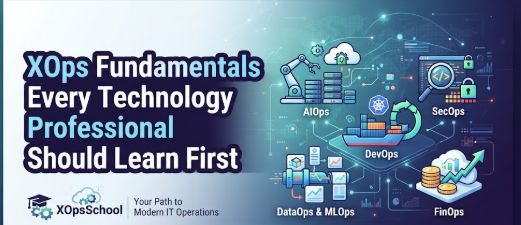
To understand What is XOps, it helps to look at the letter “X.” In technology, “X” acts as a variable representing multiple operational disciplines. XOps is not a single tool, a proprietary software product, or a rigid methodology. Instead, it is a conceptual framework that brings together various operational practices under a shared philosophy of automation, continuous delivery, observability, and collaboration.
At its core, XOps acknowledges that modern applications rely on more than just code running on a server. An application today depends on reliable data pipelines, machine learning models, automated infrastructure, proactive monitoring, and robust security controls. When these elements operate under disconnected workflows, teams face friction, miscommunication, and delayed incident resolution.
XOps bridges these gaps by establishing common principles across disciplines. It emphasizes automation as a primary driver of efficiency, treats infrastructure as code, encourages feedback loops across departments, and applies rigorous governance without slowing down innovation. Rather than treating DevOps, DataOps, MLOps, and AIOps as completely separate domains, XOps views them as interconnected gears within a larger organizational engine.
Why XOps Matters in Modern IT
Organizations face mounting pressure to deliver software faster while maintaining absolute reliability, strict security, and cost control. Disconnected operational processes hinder these goals. For example, a development team might push code updates rapidly through a CI/CD pipeline, but if the data engineering team operates on a separate schedule, application features relying on real-time data analytics may fail. Similarly, if machine learning models are deployed without automated monitoring, model drift can cause silent failures in production.
XOps thinking addresses these challenges by encouraging:
Unified Automation: Extending automation principles beyond software delivery to cover data workflows, infrastructure provisioning, and security checks.
Shared Observability: Implementing comprehensive monitoring that tracks application performance, infrastructure health, data quality, and model behavior within a unified view.
Continuous Improvement: Establishing feedback loops where insights from operations flow back into development, data engineering, and machine learning pipelines.
Standardized Collaboration: Breaking down silos so that developers, data scientists, IT operators, and security engineers share common workflows and operational goals.
By treating operations holistically, organizations can reduce manual toil, minimize downtime, and scale their technology infrastructure sustainably.
Major XOps Disciplines
XOps encompasses several specialized operational fields. Understanding each discipline helps clarify how they contribute to the broader operational ecosystem.
DevOps
DevOps focuses on the cultural and technical practices that unify software development and IT operations. It emphasizes continuous integration and continuous delivery (CI/CD), infrastructure automation, containerization, and rapid feedback loops. DevOps forms the foundational bedrock of modern software delivery.
DataOps
DataOps applies agile and DevOps principles to data engineering and analytics. It focuses on building reliable data pipelines, ensuring data quality, automating data orchestration, and maintaining continuous data delivery. DataOps ensures that organizations can trust their data as much as their application code.
MLOps
MLOps manages the lifecycle of machine learning models in production. It combines machine learning, software engineering, and operational practices to automate model training, testing, versioning, deployment, and monitoring. MLOps ensures that AI models remain accurate and reliable over time.
AIOps
AIOps leverages artificial intelligence and machine learning to improve IT operations. By analyzing large volumes of operational data, logs, and metrics, AIOps tools support proactive anomaly detection, event correlation, intelligent alerting, and automated incident response.
SecOps
SecOps integrates security practices into every phase of the operational lifecycle. Rather than treating security as a final gatekeeper, SecOps embeds security checks, vulnerability scanning, and compliance monitoring directly into automated workflows.
FinOps
FinOps brings financial accountability to cloud and technology operations. It helps cross-functional teams understand, monitor, and optimize cloud spend, ensuring that operational efficiency aligns with business value.
Platform Engineering
Platform engineering focuses on building internal developer platforms that provide self-service capabilities, reusable infrastructure components, and standardized engineering workflows, empowering developers to ship code securely and independently.
XOps Training
Effective XOps Training goes beyond teaching isolated tools; it focuses on building a holistic understanding of how different operational workflows interact. A well-structured learning path helps professionals connect the dots between software delivery, data pipelines, machine learning models, cloud infrastructure, and security.
Comprehensive training programs typically cover foundational DevOps concepts, cloud infrastructure management, container orchestration, observability frameworks, and automation techniques. As learners advance, training expands into specialized domains such as data operations, machine learning workflows, and AI-driven monitoring. By studying these areas together, learners develop the architectural mindset required to design resilient, scalable, and automated operational environments.
XOps Certification
Technical certification plays a valuable role in professional development by helping learners structure their study, establish clear learning milestones, and validate their understanding of core concepts. Pursuing an XOps Certification encourages individuals to review comprehensive syllabi, test their knowledge through practical labs, and identify gaps in their technical understanding.
However, certification preparation should be viewed as a tool for knowledge validation rather than an end in itself. Passing an exam demonstrates familiarity with theoretical concepts and standard frameworks, but real-world expertise requires hands-on practice, troubleshooting experience, and exposure to complex operational challenges. Combining structured study with practical project work provides the best foundation for long-term professional growth.
XOps Course
Choosing the right XOps Course depends on an individual’s current technical background and career objectives. A comprehensive course should follow a logical learning progression, starting with fundamental operational principles and gradually moving into advanced technical domains.
An ideal course structure typically covers:
XOps fundamentals and the philosophy of connected operations.
Core DevOps principles, source control, and CI/CD pipelines.
Cloud infrastructure, networking, and infrastructure as code.
Containerization and orchestration technologies.
Observability, monitoring, and reliability engineering.
Data operations and pipeline management.
Machine-learning operations and model lifecycle management.
AI-assisted operations and automated incident response.
Security, governance, and cost management principles.
Integration strategies for multi-discipline operational workflows.
Learners should select course depth that matches their existing experience, ensuring they build strong foundations before tackling advanced automation or AI operations.
XOps Tutorial
An effective XOps Tutorial bridges the gap between abstract theory and practical implementation. Tutorials allow learners to experiment with configuration files, automation scripts, CI/CD pipelines, container deployments, and monitoring setups in a controlled environment.
Working through hands-on tutorials helps clarify how different tools communicate with each other. For instance, a tutorial might demonstrate how an infrastructure provisioning tool sets up a Kubernetes cluster, how a CI/CD pipeline deploys an application to that cluster, and how an observability tool monitors performance metrics in real time. While reading tutorials is essential for learning syntax and configuration patterns, true understanding comes from modifying examples, troubleshooting errors, and observing how systems behave under different conditions.
XOps Tools
Because XOps is an umbrella framework rather than a single piece of software, it relies on a diverse ecosystem of tools. Organizations select tools based on their specific technical architecture, scalability requirements, team expertise, and security policies.
Source Control and Collaboration: Platforms like Git enable teams to track code changes, collaborate on infrastructure definitions, and manage version control.
CI/CD Automation: Technologies like Jenkins, GitHub Actions, and GitLab CI/CD automate the build, test, and deployment lifecycle.
Containers and Orchestration: Docker provides containerization, while Kubernetes manages container deployment, scaling, and networking at scale.
Infrastructure Automation: Tools like Terraform and Ansible automate infrastructure provisioning and configuration management.
Observability: Prometheus, Grafana, and OpenTelemetry collect and visualize metrics, logs, and traces to monitor system health.
GitOps: Argo CD and Flux enable declarative, Git-driven infrastructure and application deployments.
Data Operations: Specialized orchestration tools manage data pipelines, data quality checks, and scheduled data workflows.
MLOps and AIOps: Experiment-tracking, model registry, and intelligent monitoring platforms support machine learning and AI-driven operations.
Tool selection should always be driven by architectural requirements and team capabilities rather than popularity alone.
DevOps Training
DevOps Training serves as the primary stepping stone into the broader world of XOps. Because DevOps establishes the core practices of automation, version control, CI/CD, containerization, and infrastructure as code, mastering these fundamentals is essential before exploring advanced operational domains.
DevOps training programs teach engineers how to eliminate manual tasks, build reliable delivery pipelines, and manage cloud infrastructure programmatically. These foundational skills form the operational backbone required to support data pipelines, machine learning models, and secure cloud environments.
AIOps Training
AIOps Training focuses on applying artificial intelligence and machine learning to IT operations and incident management. Modern IT environments generate vast amounts of log data, performance metrics, and alert notifications. Manual monitoring often leads to alert fatigue and delayed incident resolution.
Through specialized training, professionals learn how AIOps tools ingest operational data, detect anomalies, correlate related alerts, and automate root-cause analysis. This training helps operations teams shift from reactive firefighting to proactive, intelligent system management.
MLOps Training
MLOps Training addresses the unique challenges of taking machine learning models out of experimental notebooks and running them reliably in production environments. Building an accurate model is only part of the challenge; deploying, versioning, monitoring, and retraining models requires specialized operational engineering.
MLOps training covers automated testing for data and code, model deployment pipelines, performance monitoring, and detection of model drift. This ensures that machine learning applications continue to deliver accurate predictions as real-world data changes.
DataOps Training
DataOps Training focuses on applying agile and automated engineering practices to data management. In modern organizations, data pipelines feed business intelligence tools, analytics platforms, and machine learning models.
DataOps training teaches engineers how to build resilient data pipelines, implement automated data quality tests, orchestrate complex data workflows, and maintain continuous data observability. This ensures that downstream consumers receive timely, accurate, and trustworthy data.
How XOps Connects DevOps, DataOps, MLOps, and AIOps
The true power of XOps lies in how its various disciplines interconnect. While each operational area focuses on a specific domain, they share common underlying principles and technical foundations.
XOps Discipline
Main Focus
Common Learning Areas
DevOps
Software delivery and infrastructure automation
CI/CD, Git, Docker, Kubernetes, Terraform
DataOps
Reliable data pipelines and data quality
Data orchestration, testing, observability, pipelines
MLOps
Machine learning model lifecycle management
Model versioning, deployment, monitoring, experiment tracking
These disciplines reinforce one another. DevOps provides the delivery pipelines and infrastructure automation that DataOps and MLOps rely on to deploy data workflows and machine learning models. AIOps utilizes telemetry data collected through observability tools—often set up via DevOps practices—to provide intelligent incident insights. Security and FinOps principles wrap around every discipline, ensuring that operations remain secure and cost-effective.
Who Can Benefit from XOpsSchool?
1. DevOps and Cloud Engineers
Cloud and DevOps professionals can broaden their technical scope beyond application deployment and infrastructure management by understanding how data pipelines, machine learning models, and AI operations integrate into cloud environments.
2. Data Engineers
Data engineers can leverage DataOps principles to improve data pipeline reliability, implement automated testing, and enhance monitoring across complex data architectures.
3. Machine Learning Professionals
Machine learning practitioners can utilize MLOps concepts to bridge the gap between experimental model development and reliable production deployment, ensuring sustained model performance.
4. IT Operations and SRE Professionals
Site reliability engineers and operations professionals can adopt AIOps, observability, automation, and platform engineering concepts to improve incident response and system reliability.
5. Developers and Technical Learners
Developers can gain a comprehensive understanding of the operational lifecycle, helping them write more resilient code and collaborate effectively with operations and platform teams.
6. Technology Teams and Organizations
Engineering leaders and organizations can use structured XOps knowledge to break down departmental silos, establish unified automation standards, and improve cross-functional collaboration.
Common Mistakes When Learning XOps
Treating XOps as a Single Tool: Assuming that purchasing or installing one specific software product achieves XOps adoption.
Learning Tools Without Concepts: Focusing entirely on tool syntax without understanding the underlying operational principles and architectural patterns.
Trying to Learn Everything Simultaneously: Attempting to master DevOps, DataOps, MLOps, and AIOps all at once without building a solid foundation first.
Ignoring Foundational DevOps: Skipping core practices like version control, CI/CD, and basic automation before moving into specialized domains.
Focusing Solely on Certification: Memorizing exam answers without engaging in practical labs or real-world problem-solving.
Neglecting Observability: Building complex automated pipelines without implementing adequate monitoring, logging, and tracing.
Ignoring Security and Cost: Treating security and FinOps as afterthoughts rather than core operational responsibilities.
Chasing Hype: Adopting trendy tools or frameworks that do not align with actual technical requirements or team capabilities.
Best Practices for Learning XOps
Start with Fundamentals: Build a strong grasp of basic operational concepts, Linux, networking, and version control before advancing.
Master Core DevOps: Understand CI/CD pipelines, containerization, and infrastructure as code before exploring data or machine learning operations.
Learn Cloud Basics: Gain familiarity with core cloud computing services, resource management, and IAM policies.
Embrace Automation: Practice automating repetitive tasks through scripts, pipelines, and infrastructure definitions.
Study Observability: Learn how to collect and interpret metrics, logs, and traces to understand system behavior.
Explore Specialized Domains Gradually: Once fundamentals are secure, branch out into DataOps, MLOps, or AIOps based on professional interests.
Build Integrated Projects: Combine multiple operational disciplines in small, hands-on projects rather than studying each area in total isolation.
Document Your Learning: Maintain notes, architecture diagrams, and configuration repositories to reinforce technical concepts.
Learning Goal
Recommended XOps Area
Skills to Develop
Automating software delivery and infrastructure
DevOps
CI/CD, Git, Docker, Kubernetes, Terraform
Ensuring reliable data delivery and quality
DataOps
Data pipelines, orchestration, automated testing
Managing machine learning models in production
MLOps
Model versioning, deployment pipelines, monitoring
Understand What XOps Means: Grasp the foundational philosophy of connected operational disciplines and why isolated silos hinder modern technology teams.
Build DevOps Foundations: Master version control, basic scripting, CI/CD pipelines, and containerization with Docker.
Learn Cloud and Infrastructure: Study cloud platform fundamentals, networking basics, and infrastructure as code using tools like Terraform or Ansible.
Learn Observability and Reliability: Understand monitoring, metrics collection, logging, distributed tracing, alerting thresholds, and SLO management.
Explore DataOps: Learn how reliable data pipelines, automated quality checks, and data orchestration work in practice.
Explore MLOps and AIOps: Understand model lifecycle management, versioning, deployment, and AI-assisted operational monitoring.
Learn Security, Governance, and Cost Awareness: Study SecOps principles, compliance automation, and FinOps cloud cost management basics.
Build an Integrated Practical Project: Combine several operational disciplines into a cohesive, hands-on project that simulates real-world production environments.
Practical XOps Learning Approach
Moving from theoretical knowledge to practical capability requires consistent, hands-on experimentation. Learners should set up local lab environments or cloud sandbox accounts to test concepts.
Practical learning involves writing infrastructure code, constructing CI/CD pipelines, deploying containerized applications, configuring monitoring dashboards, and simulating data pipelines. By deliberately introducing faults or failures into test environments, learners can practice troubleshooting, log analysis, and incident remediation. Documenting these experiments helps solidify understanding and builds a practical portfolio of skills.
How to Choose XOps Tools
Selecting the right tools requires a balanced evaluation of several technical and organizational factors:
Business Requirements: Ensure the tool aligns with organizational goals, project scale, and delivery timelines.
Technical Architecture: Evaluate how well a tool integrates with existing cloud providers, operating systems, and legacy infrastructure.
Team Skills: Consider the existing technical expertise of the team and the learning curve associated with adopting a new technology.
Security and Compliance: Verify that the tool meets organizational security standards, data privacy requirements, and access control policies.
Community and Support: Prioritize tools with active open-source communities, robust documentation, and reliable enterprise support options.
Maintenance Overhead: Assess the long-term operational cost of maintaining, updating, and scaling the tool in production.
Avoiding tool-driven decisions ensures that technology serves operational needs rather than adding unnecessary complexity.
XOps Career and Skill Development
Acquiring XOps knowledge broadens technical capability, enabling professionals to work effectively across multiple domains. Skills in automation, cloud infrastructure, CI/CD, data engineering, machine learning operations, observability, and platform engineering are increasingly valued in modern technology organizations.
Career progression in this space depends heavily on practical problem-solving ability, hands-on experience, continuous learning, and effective cross-functional collaboration. Professionals who understand how different operational disciplines connect are well-equipped to design robust, scalable systems that drive business success.
Using XOpsSchool as a Learning Resource
Approaching a platform like XOpsSchool effectively requires a structured, deliberate strategy. Learners can use the platform’s educational resources to navigate their professional development:
Start by reviewing XOps fundamentals to understand the big picture.
Identify the specific discipline—such as DevOps, DataOps, or MLOps—that aligns closest with your current role.
Explore foundational tutorials and training materials to understand core toolsets.
Practice concepts through hands-on labs and integrated projects.
Gradually explore adjacent XOps disciplines to broaden your operational perspective.
Use certification preparation resources to structure your study and validate your knowledge.
Continue learning by analyzing real-world operational challenges and architectural patterns.
By combining structured educational resources with hands-on practice, learners can build a well-rounded understanding of modern IT operations.
FAQ
1. What is XOps in simple terms?
XOps is an umbrella approach that connects multiple operational disciplines—such as DevOps, DataOps, MLOps, and AIOps—under shared principles of automation, collaboration, and continuous delivery.
2. How is XOps different from DevOps?
While DevOps focuses primarily on software delivery and infrastructure automation, XOps expands this philosophy to cover data operations, machine learning lifecycle management, AI-driven monitoring, security, and financial governance.
3. What disciplines are included in XOps?
Major disciplines include DevOps, DataOps, MLOps, AIOps, SecOps, FinOps, and Platform Engineering.
4. Is XOps suitable for beginners?
Yes, beginners can start by learning fundamental DevOps concepts, cloud basics, and automation before gradually exploring advanced operational domains.
5. What should an XOps training path include?
A comprehensive training path should cover DevOps foundations, cloud infrastructure, containerization, observability, data operations, machine learning workflows, and security governance.
6. What is the purpose of XOps certification?
XOps certification helps learners structure their study, test their theoretical knowledge, and validate their familiarity with core concepts and operational frameworks.
7. What should learners look for in an XOps course?
Learners should look for courses that follow a logical learning progression, emphasize practical application, and cover the relationships between multiple operational disciplines.
8. Which tools are commonly associated with XOps?
Common tools include Git, GitHub Actions, Jenkins, Docker, Kubernetes, Terraform, Prometheus, Grafana, Argo CD, and various data orchestration and MLOps platforms.
9. How are DevOps, DataOps, MLOps, and AIOps connected?
They share underlying automation, CI/CD, monitoring, and infrastructure principles, working together to support software, data pipelines, machine learning models, and intelligent system management.
10. How can someone start learning XOps?
A beginner can start by understanding XOps fundamentals, building strong DevOps foundations, learning cloud basics, practicing automation through tutorials, and gradually exploring specialized domains.
Conclusion
The modern enterprise runs on a delicate balance of software, data, machine learning, and cloud infrastructure. Viewing these elements as isolated components invites operational friction, whereas a unified, collaborative approach turns complexity into a competitive advantage. By treating operations as an interconnected ecosystem, engineering teams can achieve unprecedented agility and resilience.
Embracing this shift requires continuous learning and practical exploration, areas where platforms like XOpsSchool serve as invaluable guides. Whether you are optimizing code pipelines, managing data streams, or overseeing cloud expenditures, mastering the XOps philosophy prepares you to build the resilient, future-ready technology systems of tomorrow.
Renting property is a common financial activity for individuals and businesses. A person may receive rent from an office, shop, warehouse, or other commercial property, while a business may pay rent every month to operate from a particular location. The confusion starts when people ask whether GST applies to the rent, who has to pay it, whether reverse charge applies, and whether the tenant can claim input tax credit. These questions become more important when the property is used for business purposes or when the landlord and tenant have different GST registration positions. A simple misunderstanding can lead to incorrect invoices, missed tax payments, poor records, or avoidable compliance problems. This guide explains GST on Rent, Lease, and Commercial Property in simple language so beginners can understand the basic framework, identify the important questions, maintain proper documents, and know when professional tax advice may be necessary.
Understanding GST on Rent, Lease, and Commercial Property in Simple Words
GST treats certain activities involving renting or leasing of immovable property as a supply of services. This means that renting a building, office, shop, warehouse, or other qualifying immovable property can come within the GST framework rather than being treated simply as a private arrangement between a landlord and tenant.
The important point is that rent itself is not automatically taxable in every situation. The GST treatment depends on several facts.
These can include:
The nature and use of the property
Whether the property is residential or commercial
Whether the landlord is registered under GST
Whether the tenant is registered under GST
Whether a particular reverse-charge provision applies
Whether an exemption is available
The nature of the lease or rental arrangement
The applicable GST notification and rate
Under the CGST framework, renting of immovable property is treated as a supply of services. Leasing or letting of buildings for business or commerce is also specifically covered within the supply-of-services framework.
saction rather than applying a standard percentage without checking the relevant rules.
Why GST on Rent, Lease, and Commercial Property Is Important
Property rental can become a significant monthly expense for a business. For a small shop, office, warehouse, clinic, factory, or professional practice, rent may form an important part of operating costs.
Understanding GST can therefore help both landlords and tenants plan their cash flow more accurately.
For Property Owners
A landlord needs to understand:
Whether GST registration is required
Whether rental income is taxable
Whether GST needs to be charged
Whether reverse charge applies in a particular transaction
How invoices should be maintained
How rental records should be preserved
Whether tax returns are affected
For Tenants
A tenant needs to understand:
Whether GST is included in the rent
Whether the landlord should charge GST
Whether the tenant has an RCM obligation
Whether eligible ITC may be available
Whether the property is being used for business
Whether documentation is complete
For Businesses
Correct treatment can improve financial planning.
For example, a company budgeting ₹1,00,000 as monthly rent should understand whether its actual cash outflow is ₹1,00,000, ₹1,18,000, or another amount based on the applicable GST treatment and contractual terms.
This difference can matter when preparing monthly budgets.
For Investors and Property Owners
People earning rental income should not look at rent only as passive income.
They should also consider:
Income-tax implications
GST implications
Documentation
Registration requirements
Property-related expenses
Lease agreements
Tenant classification
Compliance responsibilities
GST and income tax are separate areas of taxation, so one should not be treated as a replacement for the other.
The Real Problem Readers Face With GST on Property Rent
The biggest problem is often not the GST rate itself. It is incorrect classification.
People may see a rent amount and immediately ask, “How much GST should I add?”
A better question is:
“What is the GST treatment of this particular rental transaction?”
Several factors can change the answer.
Lack of Awareness
Many small property owners do not regularly deal with GST rules. A landlord may understand rent collection but not understand registration or reverse-charge provisions.
Confusing Residential and Commercial Property
Residential and commercial property can have different GST treatment.
For example, renting a residential dwelling for use as a residence has historically received specific exemption treatment, while separate provisions apply when a residential dwelling is rented to a registered person.
Therefore, simply calling something a “house” or “flat” is not enough to determine the tax treatment.
Confusion About Reverse Charge
Reverse Charge Mechanism, or RCM, means the recipient becomes responsible for paying GST in specified circumstances instead of the supplier.
This is especially important for certain commercial-property rental transactions involving an unregistered supplier and a registered recipient.
The GST Council recommended bringing renting of commercial property by an unregistered person to a registered person under RCM, and the related notification became effective from 10 October 2024.
Poor Documentation
Another problem is maintaining rent payments without proper agreements, invoices, GST details, or payment records.
Good documentation makes compliance much easier.
Depending Only on Social Media Advice
GST rules can change through notifications, circulars, and amendments.
A short social media post may not explain all conditions.
For tax-related decisions, readers should verify the current official rules and take professional advice when necessary.
How GST on Rent and Lease Works Step by Step
Step 1: Identify the Property
First determine what is being rented or leased.
It may be:
Office space
Shop
Warehouse
Factory
Commercial building
Residential dwelling
Industrial premises
Land or other qualifying immovable property
Do not assume that every property has identical GST treatment.
The purpose and legal nature of the arrangement should be reviewed.
Common mistake: Treating every rental transaction as commercial.
Better approach: Read the lease agreement and identify the actual property and its permitted use.
Step 2: Identify the Supplier
The next step is to determine who is providing the rental service.
This could be:
An individual property owner
A partnership
A company
A trust
A government entity
Another registered or unregistered person
The supplier’s GST registration status can be important.
Common mistake: Looking only at the tenant’s GST registration.
Better approach: Check both parties before deciding how GST should be handled.
Step 3: Check the Tenant’s GST Status
The tenant’s status can be equally important.
Ask whether the tenant is:
Unregistered
Normally registered
A composition taxpayer
Another category with special treatment
For certain notified transactions, the recipient’s registration status affects whether RCM applies.
Common mistake: Assuming that a registered tenant always pays GST under RCM.
Better approach: Check whether the exact transaction falls under the notified reverse-charge category.
Step 4: Determine Whether the Property Is Residential or Commercial
This is one of the most important classification steps.
Residential property used as a residence can receive exemption treatment under specified conditions.
Commercial property used for business activities generally requires a different analysis.
Examples of commercial use include:
Retail shop
Corporate office
Warehouse
Business premises
Commercial clinic
Restaurant premises
Professional office
Common mistake: Assuming the property is residential because it is physically a flat or house.
Better approach: Consider both the nature of the property and how it is being rented or used.
Step 5: Check the Applicable GST Rate
Once the transaction is classified, determine the applicable rate.
Many real-estate services under the relevant GST classification are taxed at 18%, but the exact treatment should always be verified against the current rate notification and any specific exemption or special provision. CBIC’s published rate information includes 18% for specified real-estate services under Heading 9972.
Common mistake: Applying 18% automatically to every rent transaction.
Better approach: Confirm the exact service classification and applicable notification first.
Step 6: Check Whether Reverse Charge Applies
This step is particularly important for commercial property.
For certain notified commercial-property rental transactions, GST may be payable by the registered recipient under RCM rather than being charged by the unregistered landlord.
The rules around commercial property renting under RCM were changed following GST Council recommendations, with the relevant commercial-property provision becoming effective from 10 October 2024.
Common mistake: Thinking an unregistered landlord automatically means no GST.
Better approach: Check whether the recipient is registered and whether the transaction falls under the notified RCM provision.
Step 7: Prepare Correct Documentation
Maintain:
Lease agreement
Rent agreement
GST registration details
Tax invoice, where applicable
Rent receipts
Bank payment records
RCM records, where applicable
Tax payment records
Relevant return information
Supporting correspondence
Common mistake: Keeping only bank statements.
Better approach: Maintain a complete transaction file.
Step 8: Review ITC and Return Treatment
A registered business may be able to claim eligible input tax credit when GST is paid on business expenses, subject to the applicable conditions and restrictions.
RCM liabilities also have specific reporting and payment treatment.
GST portal guidance shows that inward supplies liable to reverse charge are reported through the relevant sections of GSTR-3B, while eligible ITC from reverse-charge inward supplies is handled separately.
Common mistake: Treating every GST amount paid as automatically eligible for ITC.
Better approach: Check eligibility, business use, documentation, and statutory conditions before claiming credit.
Key Factors That Influence GST on Property Rent
1. Property Type
Residential and commercial property can have different GST treatment.
This should be established before calculating tax.
2. Actual Use
How the property is used can be important.
A property may physically look residential but be used under an arrangement that requires a different GST analysis.
3. Supplier Registration
The landlord’s GST status can influence whether GST is charged under forward charge or whether an RCM provision needs to be considered.
4. Recipient Registration
The tenant’s GST status can be critical, especially for notified reverse-charge transactions.
5. Nature of the Agreement
A simple monthly rental agreement and a long-term lease involving additional payments may require different analysis.
The agreement should clearly explain:
Rent
Security deposit
Lease premium
Maintenance
Utilities
Other charges
Taxes
Responsibilities of each party
6. Documentation
Proper documents help establish what was actually agreed between the parties.
7. Tax Rate
Do not rely on an old invoice or another property owner’s calculation.
Always verify the applicable rate.
8. ITC Eligibility
A business should not assume that all GST paid on rent can automatically be recovered through ITC.
Eligibility depends on the GST law and the facts of the transaction.
9. Reverse Charge
RCM needs special attention because the person responsible for paying GST can change depending on the notified transaction.
10. Compliance Updates
GST notifications and clarifications can change how a transaction is treated.
Therefore, businesses with significant rental arrangements should periodically review their tax position.
Detailed Breakdown of GST on Rent, Lease, and Commercial Property
GST on Commercial Property Rent
Commercial property rent generally falls within taxable real-estate services, subject to the specific provisions applicable to the transaction.
Examples can include renting:
Offices
Shops
Warehouses
Commercial buildings
Business premises
The important question is not simply whether rent is being paid.
The important question is who is renting, to whom, what is being rented, and under what GST provision.
For a registered business taking commercial premises, the GST treatment should be checked carefully because RCM provisions can apply in specified circumstances.
GST on Lease Rent
Lease arrangements can involve more than a monthly rent.
A lease agreement may include:
Monthly lease rent
Security deposit
Advance payment
Premium
Maintenance charges
Service charges
Other consideration
Each payment should be reviewed according to its legal and commercial nature.
A common mistake is to treat every payment mentioned in the agreement as if it has identical GST treatment.
That can create incorrect tax calculations.
The agreement should therefore be reviewed before accounting entries are finalized.
GST on Commercial Property
Commercial property is frequently used for:
Business offices
Shops
Manufacturing
Storage
Professional services
Clinics
Restaurants
Educational activities
Other commercial operations
The rental of immovable property is recognized as a supply of service under GST.
For businesses, GST on commercial rent can therefore become a recurring compliance issue rather than a one-time calculation.
GST on Residential Rent
Residential rent needs more careful classification.
Renting a residential dwelling for use as a residence can fall under exemption provisions, but separate reverse-charge rules apply in specified cases involving registered persons.
A notification effective from 18 July 2022 inserted a reverse-charge entry for services by way of renting residential dwelling to a registered person.
Therefore, the statement “residential rent is always GST-free” is too broad.
The actual facts should be checked.
GST and Reverse Charge on Commercial Property
RCM changes who is responsible for paying GST.
Under the notified commercial-property provision introduced in 2024, renting of immovable property other than residential dwelling by an unregistered person to a registered person was brought under RCM. The GST Council subsequently recommended excluding taxpayers registered under the composition levy from this particular entry, and the relevant change was notified in January 2025.
This makes it especially important to identify:
Landlord’s GST status
Tenant’s GST status
Whether tenant is under composition
Property type
Effective date of the transaction
Current notification applicable to the transaction
GST Registration and Rental Income
Rental income does not automatically mean that every property owner has to register for GST.
Registration requirements depend on the applicable GST rules, aggregate turnover, nature of supplies, and other circumstances.
CBIC’s FAQ material explains that the registration threshold is generally linked to aggregate turnover and notes ₹20 lakh as the relevant general threshold in the cited FAQ, subject to applicable rules and special-category provisions.
However, a property owner should not make a registration decision based only on one property’s rent.
The broader GST position needs to be reviewed.
GST Invoice for Rent
Where GST is chargeable under forward charge, the supplier should issue the appropriate tax invoice containing the required particulars.
A business should check:
Supplier name
GSTIN
Recipient name
Recipient GSTIN, where applicable
Invoice number
Invoice date
Description of service
Taxable value
Applicable GST rate
CGST and SGST/UTGST or IGST as applicable
Total amount
For RCM transactions, the accounting and documentation process is different because the recipient has the tax-payment responsibility.
GST on Maintenance Charges
Rent agreements often include maintenance charges.
These charges should not automatically be treated as separate from rent without examining the contractual arrangement.
Questions to consider include:
Who provides the maintenance?
Is it part of a composite arrangement?
Is it charged separately?
Who receives the payment?
What service is actually being provided?
What GST treatment applies?
This is an area where professional review can be useful for larger commercial arrangements.
GST on Security Deposit
A security deposit is not automatically the same as rental income.
The treatment can depend on the purpose and contractual conditions attached to the deposit.
If the deposit is merely refundable security and does not represent consideration for a supply, its GST treatment can differ from rent.
However, if amounts are adjusted against rent, damages, services, or other taxable consideration, the analysis may change.
The lease agreement should therefore clearly explain the purpose of the deposit.
Common Mistakes Beginners Make With GST on Rent
Mistake 1: Applying 18% to Every Rent Payment
Many people hear that commercial rent is taxed at 18% and apply that percentage everywhere.
That approach can be wrong because exemptions, RCM, registration status, and transaction classification matter.
Better approach: Identify the transaction first and calculate GST second.
Mistake 2: Assuming an Unregistered Landlord Means No GST
An unregistered supplier does not automatically mean that the transaction is outside GST.
Certain notified transactions can place the tax responsibility on the registered recipient through RCM.
Better approach: Check the current RCM provisions.
Mistake 3: Ignoring the Tenant’s GST Status
The tenant’s GST status can affect the treatment.
Better approach: Check the GST registration position of both parties.
Mistake 4: Confusing Residential and Commercial Use
A building’s physical appearance does not always answer the GST question.
Better approach: Review the actual use and contractual purpose.
Mistake 5: Claiming ITC Automatically
GST paid on rent does not automatically mean that the entire amount can be claimed as ITC.
Better approach: Check eligibility and statutory conditions.
Mistake 6: Not Reviewing Old Agreements
A lease agreement may have been signed before a GST notification or change in tax treatment.
Missing invoices or payment records can create unnecessary compliance problems.
Better approach: Maintain a complete digital and physical record where appropriate.
Mistake 8: Relying on Social Media Posts
GST rules can change.
Better approach: Verify important tax positions through official sources or a qualified professional.
Don’t Do This Checklist
Do not automatically add 18% GST to every rent.
Do not assume every residential rent is taxable.
Do not ignore RCM.
Do not ignore GST registration status.
Do not claim ITC without checking eligibility.
Do not depend only on old invoices.
Do not ignore lease terms.
Do not mix personal and business expenses without proper records.
Do not hide rental receipts.
Do not rely on unverified tax advice.
Practical Real-Life Examples of GST on Rent and Lease
Example 1: Small Business Office
A small business rents an office for its operations. The owner is registered under GST, and the tenant is also registered.
The tenant should check the landlord’s registration, the nature of the property, the applicable tax rate, and whether the transaction falls under forward charge or any RCM provision.
Learning: GST treatment should be established before the monthly accounting is completed.
Example 2: Unregistered Landlord and Registered Business
A registered business rents commercial premises from an unregistered landlord.
The business assumes that no GST applies because the landlord does not have a GSTIN.
That assumption may be incorrect because specified commercial-property rental transactions can fall under RCM.
Learning: Always check RCM when a registered business rents commercial property from an unregistered person.
Example 3: Residential Dwelling Used as a Residence
An individual rents a residential dwelling for use as a home.
The parties should check the exemption and current GST provisions applicable to residential dwelling rental.
Learning: Residential rental treatment cannot be determined simply by looking at the rent amount.
Example 4: Business Takes a Residential Property for Business Use
A company rents a property that is physically a residential unit but uses it for business-related purposes.
The company should not assume that residential-property exemption automatically applies.
Learning: Property classification and actual use need careful review.
Example 5: Long-Term Commercial Lease
A company enters into a long-term commercial lease with several payment components, including rent, deposit, and additional charges.
Instead of applying one GST calculation to everything, the company reviews the agreement and identifies the nature of each payment.
Learning: Complex lease agreements deserve detailed tax review rather than a simple percentage calculation.
Table 1: Basic GST Considerations for Different Rental Situations
Rental Situation
Main Point to Check
Beginner Approach
Commercial property rent
Property type, registration and applicable rate
Review GST status of both parties
Commercial property rented by registered person from unregistered person
RCM applicability
Check the notified RCM provision
Residential dwelling used as residence
Exemption conditions
Verify current exemption rules
Residential dwelling rented to registered person
RCM provisions
Check applicable notification
Long-term lease
Nature of consideration and agreement
Review every major payment
Rent with maintenance charges
Nature of bundled/separate services
Review agreement and invoicing
Table 2: Common Mistake vs Better Approach
Common Mistake
Better Approach
Adding 18% GST to every rent payment
First identify the applicable GST treatment
Assuming no GST because landlord is unregistered
Check whether RCM applies
Ignoring tenant GST status
Verify both supplier and recipient status
Claiming every rent-related GST as ITC
Check ITC eligibility and restrictions
Using old GST rules
Verify current notifications
Keeping only bank statements
Maintain agreements, invoices and tax records
Treating all lease payments equally
Review the nature of each payment
Following social media tax advice
Verify with official sources or professionals
Tools, Methods, and Frameworks Readers Can Use
1. GST Rental Review Sheet
Create a simple spreadsheet containing:
Property name
Property type
Monthly rent
Landlord GST status
Tenant GST status
Agreement date
GST treatment
RCM applicability
Invoice status
Payment date
Return status
This helps businesses avoid missing recurring compliance tasks.
2. Lease Agreement Review Method
Before signing a commercial lease, review:
Rent amount
Tax clause
Maintenance
Deposit
Escalation
Other charges
Invoice responsibility
GST responsibility
Termination conditions
A clear tax clause can reduce future disputes.
3. GST Invoice Checklist
Before accepting a rent invoice, check:
Correct legal name
GSTIN
Invoice number
Date
Property description
Taxable amount
GST amount
Correct tax type
Payment details
4. RCM Verification Checklist
For an RCM-sensitive transaction, record:
Supplier registered or unregistered
Recipient registered or unregistered
Property type
Date of supply
Applicable notification
GST amount
Payment of tax
Return reporting
ITC eligibility
5. Monthly Rental Compliance Review
Businesses with multiple properties can conduct a monthly review.
The review can include:
Rent invoices
RCM liabilities
GST payments
ITC
Bank payments
Agreement changes
New properties
Closed leases
This simple process can reduce last-minute mistakes.
Expert Tips to Make Better Decisions
1. Classify Before Calculating
Do not start with the GST percentage.
First determine what the transaction actually is.
2. Check Both Parties
The landlord’s GST position and tenant’s GST position can both matter.
3. Read the Agreement
The lease agreement often contains details that affect tax analysis.
4. Separate Rent From Other Charges
Do not assume rent, maintenance, deposits, and other payments always have identical treatment.
5. Keep Written Records
Good documentation makes tax review easier.
6. Review RCM Carefully
RCM can shift the tax-payment responsibility from the supplier to the recipient.
7. Do Not Assume ITC
Always check whether the GST paid is eligible for credit.
8. Check Current Rules
Tax rules can change through notifications and amendments.
9. Keep Business and Personal Records Separate
This becomes particularly important for individuals who own multiple properties.
10. Review Long-Term Leases
A lease lasting several years should be reviewed when important GST changes occur.
11. Avoid Informal Tax Advice
A friend’s experience may not match your transaction.
12. Protect Sensitive Information
GST documents can contain PAN, GSTIN, bank details, addresses, and other information. Share such information only through appropriate channels.
13. Keep a Compliance Calendar
Record invoice and return-related tasks so recurring rent transactions are not forgotten.
14. Ask Before Signing
If the tax clause in a lease is unclear, resolve it before signing instead of waiting until a dispute arises.
15. Take Professional Advice for Complex Cases
Large commercial leases, multiple properties, unusual lease premiums, related-party arrangements, and mixed-use properties may require professional review.
Case Studies: How Better Understanding Changes Decisions
Case Study 1: The Small Office Owner
Profile
A property owner receives monthly rent from a commercial office.
Situation
The owner believes that because the tenant pays rent through a bank transfer, no additional GST documentation is necessary.
Problem
The owner has not properly reviewed GST registration requirements or the nature of the rental supply.
Wrong Approach
The owner simply collects rent and maintains bank statements.
Better Approach
The owner reviews aggregate turnover, registration status, property use, applicable GST treatment, and invoice requirements.
Result or Learning
The owner gains a clearer understanding of the difference between receiving rent and complying with GST obligations.
Key Takeaway
Rental income should be reviewed from both a financial and compliance perspective.
Case Study 2: The Registered Business Tenant
Profile
A small company rents a commercial property from an unregistered property owner.
Situation
The company’s accountant initially assumes there is no GST because the landlord is unregistered.
Problem
The transaction may fall under a notified RCM provision.
Wrong Approach
The company records only the rent expense.
Better Approach
The company checks the landlord’s status, tenant registration, property type, applicable notification, RCM liability, and reporting requirements.
Result or Learning
The company identifies the need to review its GST treatment rather than relying on the landlord’s GST registration alone.
Key Takeaway
A registered tenant should not automatically assume that an unregistered landlord means zero GST responsibility.
Case Study 3: The Long-Term Lease
Profile
A company takes a commercial property under a multi-year lease.
Situation
The agreement contains monthly rent, deposit, maintenance charges, and other payments.
Problem
The finance team treats every amount as ordinary rent.
Wrong Approach
One GST treatment is applied to every payment without reviewing the contractual nature of each amount.
Better Approach
The company separates the different components and obtains professional tax review where necessary.
Result or Learning
The company develops better documentation and reduces the chance of applying the same tax treatment to unrelated payments.
Key Takeaway
Complex leases should be reviewed as complete transactions rather than as simple monthly rent arrangements.
Risk Awareness: What Readers Must Check First
Compliance Risk
Incorrect GST treatment can create tax, interest, documentation, or reporting issues.
How to reduce it: Maintain accurate records and verify the applicable rules.
Classification Risk
A wrong assumption about residential or commercial use can affect the tax treatment.
How to reduce it: Review the property and actual contractual use.
RCM Risk
If RCM applies and the recipient does not recognize the liability, the business may face compliance problems.
How to reduce it: Check notified RCM provisions whenever relevant.
ITC Risk
Claiming ineligible input tax credit can create additional tax exposure.
How to reduce it: Verify eligibility before claiming credit.
Documentation Risk
Missing invoices or agreements can make it harder to establish the transaction.
How to reduce it: Maintain complete records.
Contract Risk
Unclear lease clauses can create disputes about who bears GST.
How to reduce it: Clearly state tax responsibilities in the agreement.
Financial Risk
Unexpected tax payments can affect business cash flow.
How to reduce it: Include applicable GST obligations in rental budgeting.
Misinformation Risk
Old articles or social media posts may not reflect current GST provisions.
How to reduce it: Verify important matters using official sources.
Professional Advice Risk
A generic explanation cannot cover every property arrangement.
How to reduce it: Consult a qualified tax professional for complex or high-value transactions.
Checklist Before Taking Action
Before finalizing a rental or lease transaction, ask:
What type of property is being rented?
How will the property be used?
Is the landlord registered under GST?
Is the tenant registered under GST?
Is the tenant under the composition scheme?
Is the transaction taxable or exempt?
Does RCM apply?
What GST rate applies?
Who is responsible for paying GST?
Is a proper invoice required?
Are rent and other charges clearly separated?
Is the lease agreement clear about taxes?
Is ITC potentially available?
Are all supporting documents maintained?
Has the latest applicable notification been checked?
Is professional advice required?
The purpose of this checklist is not to replace professional tax advice. It is a practical way to identify important questions before a transaction is finalized.
Strategic Insights for Better GST Decision-Making
Build a Property-Wise GST Record
If a person or business has multiple rental properties, maintain separate records for each property.
This can include:
Address
Property type
Tenant
Agreement period
Rent
GST treatment
Registration status
Invoice details
RCM status
This is much easier than trying to reconstruct the information later.
Review GST When a Tenant Changes
A property may have different GST implications depending on the tenant’s registration status and other facts.
Therefore, when a tenant changes, do not simply copy the previous tax treatment without checking the new transaction.
Review Agreements After Major Tax Changes
GST notifications can change the treatment of particular services.
Businesses with long-term leases should have a process for checking whether important tax changes affect their agreements.
Separate Tax Planning From Tax Avoidance
Good tax planning means understanding the rules and maintaining proper compliance.
It does not mean hiding income or creating artificial arrangements.
Property owners and businesses should focus on accurate reporting and lawful tax treatment.
Use Professional Review for Large Commercial Leases
A small residential rental may be relatively straightforward, but large commercial arrangements can contain:
Lease premiums
Multiple properties
Maintenance services
Complex deposits
Related parties
Sub-leasing
Long-term agreements
Multiple GST registrations
Such transactions deserve careful review.
Key Terms Explained for Beginners
GST: Goods and Services Tax is an indirect tax applied to specified supplies of goods and services in India.
Rent: Payment made for the right to occupy or use property for an agreed period.
Lease: A contractual arrangement under which a person receives rights to use property for a specified period subject to agreed conditions.
Commercial Property: Property generally used for business or commercial activities, such as offices, shops, or warehouses.
Residential Dwelling: A property intended to function as a residence, subject to the applicable GST provisions.
GSTIN: Goods and Services Tax Identification Number issued to a registered taxpayer.
RCM: Reverse Charge Mechanism means the recipient is responsible for paying GST in specified notified situations.
Forward Charge: The supplier generally collects GST from the recipient and pays it to the government.
ITC: Input Tax Credit allows an eligible registered taxpayer to claim credit for qualifying GST paid on business inputs and services, subject to statutory conditions.
Taxable Supply: A supply on which GST is applicable under the relevant provisions.
Exempt Supply: A supply for which GST is not payable under an applicable exemption provision.
Tax Invoice: A document containing prescribed information about a taxable supply.
Aggregate Turnover: A GST concept used in determining certain registration and compliance requirements and calculated according to the applicable statutory rules.
Composition Scheme: A simplified GST compliance and taxation scheme available to eligible taxpayers subject to specific conditions.
Input Tax: GST charged on qualifying purchases or inward supplies received by a taxpayer.
Who Should Read This Blog?
Beginners
People who are new to GST can use this guide to understand the basic language and important questions.
Students
Students studying finance, taxation, commerce, or business can use the examples to connect GST concepts with practical situations.
Salaried Employees
People earning rental income from property may find the classification and documentation discussion useful.
Small Business Owners
Business owners renting offices, shops, warehouses, or other premises need to understand how rental costs interact with GST.
New Investors
Property investors can use the guide as an introductory framework for reviewing rental-related tax considerations.
Loan Seekers
People preparing financial plans for property-related borrowing can consider GST and other property costs when estimating cash flow.
Finance Bloggers
Writers covering GST and personal finance can use the concepts as a starting point for reader-friendly educational content.
Property Owners
Landlords can use the checklist to identify questions about registration, invoicing, RCM, and documentation.
Business Tenants
Tenants can use the guide to understand why landlord and tenant GST status both matter.
People Improving Financial Awareness
Anyone who wants to make better property-related financial decisions can benefit from understanding the difference between rent, GST, RCM, and ITC.
Frequently Asked Questions
1. What is GST on Rent, Lease, and Commercial Property?
GST on Rent, Lease, and Commercial Property refers to the GST treatment applicable to qualifying rental or leasing services involving immovable property. The exact treatment depends on factors such as property type, registration status, use, exemption provisions, and whether reverse charge applies.
2. Is GST applicable on commercial property rent?
Commercial property rental can be taxable under GST, subject to the applicable provisions. The exact treatment should be checked based on the property, supplier, recipient, registration status, and current GST notifications.
3. Is GST always charged at 18% on commercial rent?
Not every rental transaction should be assumed to have the same treatment simply because 18% is a common GST rate for specified real-estate services. The applicable classification, exemption, and other provisions should be verified before calculating GST.
4. What is reverse charge on rent?
Under reverse charge, the recipient rather than the supplier is responsible for paying GST in specified notified situations. Certain commercial-property rental transactions involving an unregistered supplier and registered recipient have been brought under RCM, subject to the applicable conditions.
5. Is residential rent exempt from GST?
Renting a residential dwelling for use as a residence can qualify for exemption under specified conditions. However, separate rules can apply when a residential dwelling is rented to a registered person. Therefore, residential rent should not automatically be treated as GST-free in every situation.
6. Does an unregistered landlord mean that GST does not apply?
Not necessarily. In specified situations, GST can become payable by a registered recipient under RCM even when the supplier is unregistered. Commercial-property renting is an important example that requires careful review.
7. Can a business claim ITC on GST paid on rent?
An eligible registered business may be able to claim ITC when the statutory conditions are satisfied. However, GST paid on rent should not automatically be treated as fully creditable. Eligibility, business use, documentation, and applicable restrictions must be checked.
8. Does rental income require GST registration?
Not automatically in every situation. Registration depends on applicable GST provisions, aggregate turnover, nature of supplies, and other circumstances. A property owner should review the complete GST position rather than considering only the rent from one property.
9. Does GST apply to lease payments?
Lease-related payments can come within GST depending on the nature of the lease and the specific payment involved. Monthly rent, lease premium, maintenance, deposits, and other charges may require separate analysis.
10. What documents should be maintained for rented commercial property?
Useful records include the lease or rent agreement, invoices, GST registration details, payment records, rent receipts, RCM documentation where applicable, return records, and supporting correspondence.
11. Can GST rules on rent change?
Yes. GST treatment can be affected by notifications, amendments, circulars, and other government decisions. For important transactions, readers should verify the current rules rather than relying on an old article or invoice.
12. What is the best next step after reading this guide?
Start by identifying the property type, use, landlord’s GST status, tenant’s GST status, applicable tax provision, RCM position, and documentation requirements. For complex or high-value arrangements, consult a qualified tax professional before finalizing the transaction.
Conclusion
Understanding GST on Rent, Lease, and Commercial Property is important for property owners, tenants, and businesses because the correct tax treatment depends on factors such as property type, usage, GST registration, applicable exemptions, and reverse charge rules. Instead of assuming that every rental payment attracts the same GST rate, it is better to review the transaction carefully and maintain proper agreements, invoices, payment records, and tax documents. Businesses should also check RCM requirements and ITC eligibility where applicable. GST rules can change, so relying on outdated information may create compliance problems. The best approach is to verify the current rules, keep accurate records, and seek professional advice for complex transactions. Good GST awareness can support better financial planning and reduce avoidable mistakes.
Dealing with health concerns involving the urinary system or male reproductive organs can feel overwhelming. Whether someone is noticing new urinary symptoms, managing chronic discomfort, or facing a specific diagnosis, finding reliable information is often the first step toward feeling more in control. Making informed medical decisions requires clear guidance, an understanding of potential conditions, and a realistic view of available care options.
Many people begin their search by looking into specific symptoms or researching where to find appropriate medical support. Understanding the broader landscape of urology care helps patients prepare for meaningful conversations with healthcare professionals. This is where specialized patient-information and care-navigation platforms play a valuable role. UrologyHospitals.com serves as a centralized resource designed to help individuals understand urological conditions, research potential treatment paths, and explore appropriate hospitals and specialists to support their healthcare journey.
Understanding Urology Care and Patient Navigation
Urology care encompasses a wide range of medical and surgical services focused on the urinary tract in both men and women, as well as the male reproductive system. Conditions affecting these areas can range from common, manageable issues to complex, chronic diseases requiring specialized medical intervention. Because the urinary system plays a vital role in filtering waste and maintaining overall bodily balance, addressing symptoms promptly and accurately is essential.
For patients and their families, researching these topics independently can sometimes lead to confusion due to conflicting or overly technical online information. UrologyHospitals.com helps bridge this gap by offering structured, easy-to-understand educational content. The platform is designed to guide individuals through the complexities of urological health without replacing the crucial role of a qualified clinician. By providing clear breakdowns of diagnostic tests, treatment approaches, and hospital capabilities, the platform helps users organize their thoughts, research relevant options, and prepare for specialist consultations.
What Urology Covers
The field of urology addresses conditions affecting several key organs and structures within the body. These include the kidneys, ureters, bladder, urethra, and adrenal glands, as well as the prostate, testes, and associated male reproductive structures. Because these systems are interconnected, symptoms in one area can sometimes indicate an underlying issue elsewhere in the urinary tract.
Urologists are medical doctors specially trained to evaluate, diagnose, and manage these conditions. While some urological problems can be managed effectively with medication or lifestyle adjustments, others may require specialized procedures, ranging from minimally invasive techniques to complex surgeries. Understanding the scope of urology helps patients recognize when a referral to a specialist may be necessary and what kind of expertise to look for during their research.
Evaluating Urology Hospitals
When a patient requires specialized care or surgical intervention, researching appropriate facilities is a critical step. Selecting a medical center involves looking at several practical and clinical factors rather than relying solely on general reputation or online advertisements.
A well-rounded evaluation of a medical center involves looking at several key aspects of care:
Clinical Services: Does the facility offer specialized care relevant to the specific condition being treated?
Specialist Availability: Are appropriately trained urologists, surgeons, and support staff regularly available?
Diagnostic Infrastructure: Can the facility perform necessary imaging, laboratory tests, and specialized evaluations on-site?
Surgical Capabilities: If a procedure is required, does the hospital support conventional, minimally invasive, and advanced surgical approaches safely?
Continuity of Care: How does the institution handle post-treatment follow-up, rehabilitation, and patient education?
Patients should also consider logistical factors such as location, accessibility, and whether the facility accepts their health insurance coverage. Utilizing a structured platform to research hospital capabilities can help individuals compile a realistic list of potential care centers to discuss with their primary physician.
Working with Urology Specialists
A specialist consultation is often necessary when primary care evaluations require deeper diagnostic insight. Urologists undergo extensive training to diagnose and treat conditions unique to the urinary system and male reproductive organs. During an initial consultation, a specialist typically reviews the patient’s medical history, assesses symptoms, and recommends appropriate diagnostic tests to pinpoint the underlying issue.
Working collaboratively with a specialist allows patients to explore tailored treatment plans. Specialists can explain whether conservative management, medication, or a procedural intervention is most appropriate based on the individual’s diagnosis, overall health, and personal preferences. Preparing a list of questions before attending an appointment can help patients make the most of their time with the specialist.
Urology Care Area
What Patients May Research
Important Point
Kidney stones
Causes, stone size, pain management, removal options
Treatment depends on stone location and patient health
Prostate conditions
BPH symptoms, screening, enlargement treatments
Benign conditions differ significantly from cancer care
Bladder conditions
Overactive bladder, infections, structural issues
Accurate diagnosis helps rule out more serious causes
Urinary infections
Causes of recurrence, antibiotic stewardship, prevention
Matching specialist expertise to the diagnosis is vital
Kidney Stone Treatment
Kidney stones are hard mineral and salt deposits that form inside the kidneys and can cause significant discomfort when they travel through the urinary tract. Symptoms often include sharp pain in the back or side, blood in the urine, nausea, and frequent urges to urinate.
When exploring kidney stone treatment, patients often discover that options vary widely depending on the size, composition, and location of the stone, as well as the presence of any infection or urinary blockage. Small stones may pass naturally with adequate hydration and pain management under medical supervision. For larger stones or those causing persistent blockage, medical professionals may consider interventions such as shock wave lithotripsy to break up the stones, ureteroscopy to retrieve or fragment them, or other minimally invasive procedures. The treating specialist determines the safest and most effective approach based on a thorough diagnostic review.
Prostate Cancer Treatment
Prostate cancer is one of the most common types of cancer affecting men, often growing slowly and remaining confined to the prostate gland for extended periods. However, some forms can be more aggressive and require prompt intervention.
When discussing prostate cancer treatment, medical teams evaluate factors such as the cancer stage, Gleason score, prostate-specific antigen (PSA) levels, patient age, and overall health status. Depending on these factors, management strategies can range from active surveillance—closely monitoring the condition without immediate treatment—to surgical removal of the prostate, radiation therapy, or systemic therapies. Because each patient’s situation is unique, treatment decisions require careful discussion between the patient, their family, and an experienced multi-disciplinary oncology team.
Enlarged Prostate Treatment
Benign prostatic hyperplasia (BPH), commonly known as an enlarged prostate, is a non-cancerous condition frequently experienced by aging men. As the prostate gland enlarges, it can squeeze the urethra, leading to bothersome lower urinary tract symptoms such as weak urine flow, difficulty starting urination, frequent nighttime trips to the bathroom, and a feeling that the bladder has not emptied completely.
Enlarged prostate treatment aims to relieve symptoms and improve quality of life. Initial approaches often involve lifestyle modifications and medications designed to relax prostate muscles or shrink the gland. If medications do not provide adequate relief, various minimally invasive procedures or surgical options may be considered to reduce excess prostate tissue and restore normal urine flow. The choice of intervention depends on prostate size, symptom severity, and patient preference.
Urinary Tract Infection Treatment
Urinary tract infections (UTIs) occur when bacteria enter the urinary tract, most commonly affecting the bladder and urethra. Symptoms frequently include a strong, persistent urge to urinate, a burning sensation during urination, cloudy or strong-smelling urine, and pelvic discomfort.
Urinary tract infection treatment typically involves a course of antibiotics prescribed after a clinical evaluation and urine analysis confirm the diagnosis. While uncomplicated UTIs are common and generally resolve quickly with proper medication, recurrent or persistent infections require deeper investigation to identify underlying anatomical or functional factors. Patients should avoid self-treating persistent symptoms with over-the-counter remedies without professional confirmation, as proper diagnosis ensures the correct medication is used.
Bladder Cancer Treatment
Bladder cancer begins in the cells of the bladder and is often detected early due to visible signs such as blood in the urine. The diagnostic pathway usually involves a combination of urine tests, imaging studies, and cystoscopy—a procedure where a thin, lighted tube is inserted into the bladder to examine its inner lining and collect tissue samples if necessary.
Bladder cancer treatment varies greatly depending on whether the cancer is non-muscle-invasive or muscle-invasive. Treatment strategies may include transurethral resection, intravesical therapies delivered directly into the bladder, surgical removal of part or all of the bladder, or systemic treatments. Ongoing surveillance and follow-up care are essential components of long-term management for individuals diagnosed with bladder conditions.
Robotic Urology Surgery
Advancements in surgical technology have introduced robotic-assisted platforms to various urological procedures. Robotic urology surgery involves a surgeon operating through small incisions using specialized robotic instruments and a high-definition 3D visualization system. The surgeon retains complete control over the instruments at all times.
While robotic assistance can offer advantages such as enhanced precision and dexterity in tight anatomical spaces, it is not universally necessary or superior for every patient or procedure. The suitability of robotic-assisted surgery depends on the specific condition, the surgeon’s expertise with the technology, hospital resources, and the patient’s overall health profile. Patients considering surgical intervention should discuss all available approaches—including open, laparoscopic, and robotic techniques—with their surgical specialist.
Urologist Near Me
Finding a qualified healthcare provider locally is a common priority for individuals experiencing new symptoms. When searching for a urologist near me, patients should look beyond simple geographic proximity. Evaluating a specialist involves reviewing their board certification, hospital affiliations, clinical experience with specific conditions, and the quality of their communication during consultations.
Local hospital networks and specialized online directories can help patients identify nearby professionals who match their specific clinical needs. Coordinating care close to home can make regular follow-up appointments and ongoing monitoring much more manageable, especially for chronic or long-term urological conditions.
How to Choose a Urology Hospital
Selecting the right hospital for urological care involves a careful assessment of several foundational factors to ensure safe and effective treatment:
Medical Suitability: Confirming that the hospital routinely manages the specific condition or procedure required.
Specialist Availability: Ensuring access to dedicated urologists, oncologists, or surgeons with relevant sub-specialty training.
Diagnostic Capabilities: Access to advanced imaging, laboratory testing, and pathology services on site.
Treatment Breadth: Availability of diverse treatment modalities, ranging from medical management to advanced minimally invasive surgery.
Surgical Safety and Support: Adequate intensive care support, nursing staff ratios, and post-operative care protocols.
Patient Support Services: Availability of educational resources, care navigation assistance, and financial counseling.
Location and Accessibility: Practical considerations regarding travel time for treatment and follow-up visits.
Verified Information: Relying on transparent, verifiable data regarding hospital credentials rather than unverified promotional claims.
Questions to Ask a Urology Specialist
Preparing for a specialist consultation helps patients engage actively in their healthcare decisions. Bringing a written list of questions ensures that all concerns are addressed during the visit:
What is the likely cause of my symptoms or test results?
What additional diagnostic tests are necessary, and what do they involve?
What are my treatment options, and what are the expected benefits and potential risks of each?
Is treatment urgent, or do I have time to consider different approaches?
What happens if I choose to delay treatment or monitor the condition?
Is surgery necessary, and are minimally invasive or robotic-assisted options appropriate for me?
What does the recovery process entail, and what kind of follow-up care will I need?
Who Can Benefit from UrologyHospitals.com?
Patients Researching New Symptoms
Individuals who have noticed unusual urinary changes can use educational resources to understand potential underlying anatomical areas and prepare thoughtful questions for a primary care physician.
Patients Diagnosed With a Urological Condition
Those who have recently received a formal diagnosis can review clear explanations of medical terminology, diagnostic steps, and broad treatment categories to better grasp their care plan.
People Researching Urology Hospitals
Users looking for appropriate medical centers can organize their research around institutional capabilities, specialist availability, and clinical services rather than relying on guesswork.
People Looking for Urology Specialists
Individuals can learn about the specific training and focus areas of urologists to help identify professionals whose expertise aligns with their specific health needs.
Patients Considering Urological Procedures
People facing potential medical or surgical interventions can explore general overviews of procedures, helping them discuss risks, benefits, and alternatives with their surgeon.
Families Supporting a Patient
Family members and caregivers can access reliable educational materials to understand complex medical information, helping them provide informed and effective support throughout the care journey.
Common Mistakes When Researching Urology Care
Navigating healthcare information online requires caution to avoid common pitfalls. One frequent mistake is choosing a hospital or specialist based solely on search engine rankings or promotional advertisements rather than clinical appropriateness. Another is assuming that surgery is always necessary or that advanced technologies like robotic-assisted surgery are universally better for every case.
Patients should also avoid relying on anonymous online forums or unverified claims for medical advice. Delaying professional evaluation for persistent symptoms in the hope that they will resolve on their own can lead to missed opportunities for early diagnosis. Always verifying provider credentials and discussing findings with a qualified clinician helps prevent these missteps.
Best Practices for Medical Research
Effective medical research involves a structured, thoughtful approach. Patients should prioritize understanding their basic anatomy and symptoms before diving into complex treatment comparisons. Keeping all medical records, test results, and a detailed symptom log in one place makes discussions with healthcare professionals much more productive.
It is also wise to cross-reference information using reputable medical societies and educational platforms. Most importantly, patients should view online research as a tool to enhance communication with their medical team, rather than a substitute for professional clinical judgment.
Patient Research Question
Information to Look For
Who Can Confirm It
Diagnosis confirmation
Diagnostic criteria, test requirements, symptom correlation
Treating urologist or physician
Treatment options
Conservative, medical, and surgical alternatives
Qualified healthcare specialist
Surgery suitability
Indications, contraindications, patient health factors
Evidence-based care guidelines, standard protocols
Professional medical associations
Understanding Diagnostic Tests
An accurate diagnosis forms the foundation of any effective urological care plan. Medical professionals utilize a variety of diagnostic tools depending on the patient’s symptoms and suspected condition. A standard evaluation often begins with a detailed medical history and physical examination.
Further testing may include urinalysis to check for infection or blood, blood tests such as a PSA test for prostate evaluation, and imaging studies like ultrasounds, CT scans, or MRIs to visualize internal structures. In some cases, specialized procedures such as cystoscopy or tissue biopsies may be recommended to examine the urinary tract directly. Not every patient requires every test; the medical team selects appropriate evaluations based on individual clinical indications.
When to Seek Professional Urology Care
Certain symptoms should prompt timely evaluation by a qualified healthcare professional. While not all urological symptoms indicate a severe condition, ignoring persistent or worsening issues can delay necessary care.
Warning signs that warrant medical attention include visible blood in the urine, significant difficulty or pain during urination, recurrent urinary infections, severe flank or lower back pain associated with kidney stone symptoms, and persistent changes in urinary frequency or control. Prompt evaluation allows clinicians to identify the root cause and recommend appropriate management strategies before symptoms worsen.
Patient Education Before Treatment
Preparing for a medical consultation can significantly improve the clarity and effectiveness of the visit. Patients benefit greatly from organizing their health information in advance. Bringing a complete list of current medications, previous test reports, imaging CDs or summaries, and a written record of symptom history helps the specialist understand the full clinical picture.
Having an organized file of relevant medical records also facilitates smoother second opinions or referrals between primary care doctors and urology specialists. Clear preparation ensures that the limited time during a consultation is spent discussing meaningful treatment goals and personalized care options.
Using UrologyHospitals.com Responsibly
Integrating an educational platform into the healthcare journey involves a step-by-step approach:
Learn the Basics: Read general educational materials to understand the anatomical area and common conditions related to your symptoms.
Explore Diagnostic Pathways: Familiarize yourself with the types of tests doctors commonly use to investigate those symptoms.
Review Treatment Categories: Understand the spectrum of care, from conservative observation to medication and surgical procedures.
Identify Specialist Types: Learn what sub-specialties exist within urology and what expertise is relevant to your situation.
Research Hospital Capabilities: Look into how hospitals support specific urological procedures and patient care needs.
Prepare Questions: Write down specific, practical questions to ask during your upcoming medical appointments.
Consult Professionals: Discuss your research, symptoms, and treatment options openly with a qualified healthcare provider.
Collaborate on Decisions: Make healthcare decisions in partnership with your medical team based on professional diagnosis and verified clinical guidance.
Frequently Asked Questions
What does a urologist treat?
A urologist is a medical specialist trained to diagnose and treat conditions affecting the urinary tract in men and women, as well as the male reproductive system. This includes issues related to the kidneys, bladder, ureters, urethra, and prostate.
When should someone consider seeing a urology specialist?
A referral to a urologist is often considered when a primary care physician identifies abnormal findings, or when a patient experiences persistent symptoms such as blood in the urine, recurrent infections, chronic pelvic pain, or significant difficulty urinating.
How can someone research a suitable urology hospital?
Patients can research hospitals by evaluating their clinical services, diagnostic infrastructure, availability of specialized urologists, surgical capabilities, and overall patient support systems rather than relying on generic rankings.
What should patients consider when choosing a urology specialist?
Important factors include the specialist’s board certification, clinical experience with the specific condition, hospital affiliations, and their ability to communicate treatment risks and benefits clearly.
What factors affect kidney stone treatment?
Treatment choices depend heavily on the size, composition, and location of the stone, as well as the patient’s symptoms, overall health status, and presence of any infection or urinary blockage.
How is enlarged prostate treatment selected?
Treatment for an enlarged prostate is chosen based on the severity of the patient’s symptoms, the size of the prostate gland, the impact on quality of life, and how the patient responds to lifestyle changes or initial medications.
What factors can influence prostate cancer treatment?
Management decisions for prostate cancer depend on the cancer stage, grade or risk level, patient age, overall health, and personal preferences regarding potential side effects and lifestyle impact.
When may robotic urology surgery be considered?
Robotic-assisted surgery may be considered for selected urological procedures where precision in tight anatomical spaces is advantageous, provided the surgeon and hospital have appropriate expertise and resources.
What should someone check when searching for a urologist near me?
Beyond physical location, individuals should verify the specialist’s credentials, check whether their specific condition falls within the doctor’s clinical focus, and ensure the practice is compatible with their healthcare coverage.
Can an online urology information platform replace a medical consultation?
No online platform can diagnose conditions, prescribe treatments, or replace the personalized clinical judgment of a qualified healthcare professional. Educational platforms are designed to support patient research and facilitate better discussions with doctors.
Conclusion
Your journey toward better urological health ultimately rests on a foundation of informed curiosity and strong collaboration with qualified medical professionals. Navigating the complexities of the urinary system—from managing everyday symptoms to understanding advanced treatment options—can feel daunting, but you do not have to walk the path alone. By combining reliable educational resources with expert clinical guidance, you equip yourself to ask the right questions, evaluate your options thoughtfully, and make decisions that honor your long-term well-being. Remember that every health journey is unique, and taking the time to research hospitals, specialists, and care pathways is an empowering first step toward lasting vitality. Always partner directly with a trusted healthcare specialist to receive the personalized care and accurate diagnosis you deserve.
Bihar is a land of profound historical depth, spiritual significance, and cultural richness. Located in eastern India, it holds a unique position in world history as the cradle of ancient empires, the birthplace of major spiritual traditions, and a vibrant hub of art, literature, and tradition. For travelers, researchers, students, and residents alike, understanding this dynamic state requires access to reliable, structured information that goes beyond standard tourist brochures.
Whether you are planning a journey across historical monuments, exploring traditional cuisine, seeking updates on regional developments, or looking for educational and career-related information, having a central resource is essential. This is where regional digital platforms play a valuable role. Among them, MeraApnaBihar serves as a comprehensive information hub designed to help readers explore the multifaceted identity of the region, covering everything from Bihar Tourism to local updates and employment resources.
What Is MeraApnaBihar?
MeraApnaBihar is a digital information platform dedicated to capturing the diverse aspects of Bihar. Rather than focusing on a single niche, the platform acts as an organized repository of regional content tailored for travelers, students, professionals, and local residents.
The website addresses the need for structured, accessible information by categorizing its content into several core areas:
Travel and Tourism: Comprehensive guides on destinations, route planning, and sightseeing.
Culture and Heritage: Deep dives into the historical roots, architectural marvels, and traditions of the region.
Food and Festivals: Culinary guides highlighting regional specialties and cultural celebrations.
Local Information and Updates: Timely news, educational resources, and regional developments.
Employment and Education: Information regarding competitive examinations, academic updates, and career opportunities.
By bringing these diverse subjects together under one roof, the platform helps readers bridge the gap between historical curiosity and practical daily living, making it easier to navigate the state’s cultural and professional landscapes.
Bihar Tourism: A Journey Through Time and Spirituality
Bihar Tourism offers an experience unlike any other destination in India. The state’s appeal lies not in fast-paced commercial entertainment, but in slow, reflective exploration. Travelers are drawn to its sacred geographies, ancient monastic ruins, and landscapes that witnessed the rise and fall of some of the world’s greatest ancient empires, including the Mauryas and the Guptas.
Tourism here spans multiple dimensions. Spiritual seekers explore ancient pilgrimage routes, while history enthusiasts examine stone pillars, excavated universities, and medieval architecture. Nature lovers find peaceful retreats along riverbanks and protected wildlife sanctuaries. Because the state’s attractions are scattered across different districts, effective travel planning requires understanding that a trip here is rarely about a single city; it is a regional journey through interconnected historical and cultural milestones.
Bihar Tourist Places: Key Destinations to Explore
When researching Bihar Tourist Places, visitors generally encounter a mix of ancient heritage, spiritual sanctuaries, and emerging eco-tourism spots. Some of the most notable destinations include:
Bodh Gaya: Globally renowned as the place where Gautama Buddha attained enlightenment under the Bodhi Tree. It features the monumental Mahabodhi Temple, a UNESCO World Heritage Site, alongside international monasteries reflecting global architectural styles.
Rajgir: An ancient hill city surrounded by lush green mounds, known for its hot water springs, peace pagoda, ropeway, and deep associations with both Buddhism and Jainism.
Nalanda: Home to the ruins of the ancient Nalanda Mahavihara, one of the world’s earliest residential universities, which once attracted scholars from across Asia.
Patna: The state capital, situated along the southern banks of the Ganges. It bridges ancient history—visible in sites like Patna Sahib, Kumhrar, and the Patna Museum—with modern urban life.
Vaishali: An important archaeological site associated with the birth of Lord Mahavira and early republican governance, featuring ancient pillars and stupas.
Gaya: A major spiritual center famous for ancestral rites (Pind Daan) along the Falgu River, drawing pilgrims throughout the year.
Sasaram: Known for the magnificent mausoleum of Sher Shah Suri, a masterpiece of medieval Indo-Islamic architecture set amidst a water tank.
Valmiki Nagar: Located in the northernmost corner of West Champaran, offering rich biodiversity, dense forests, and the Valmiki National Park and Tiger Reserve.
Places to Visit in Bihar by Traveler Interest
To make trip planning more manageable, it helps to categorize Places to Visit in Bihar according to specific traveler interests rather than simple geographic lists:
Historical Places
History enthusiasts can explore archaeological excavations, ancient fortifications, and medieval monuments. Sites like the ruins of Nalanda, the Cyclopean Wall in Rajgir, and the grand tomb of Sher Shah Suri in Sasaram offer tangible connections to centuries past.
Religious and Spiritual Places
Pilgrimage and spiritual travel form a major part of regional tourism. Bodh Gaya, Patna Sahib (one of Sikhism’s holiest shrines), Mahavir Mandir, and various Jain pilgrimage centers welcome seekers looking for peaceful and meditative environments.
Nature and Wildlife Destinations
For those looking beyond monuments, the state offers natural escapes. Valmiki National Park provides opportunities for wildlife safaris, bird watching, and exploring the sub-Himalayan tracts of the state.
Family-Friendly Destinations
Families generally prefer destinations that combine educational value with comfortable accessibility, such as Sanjay Gandhi Biological Park in Patna, the ropeway in Rajgir, and well-maintained museum complexes.
Cultural Destinations
Travelers interested in living heritage can explore regional craft hubs, local handloom centers, and traditional village clusters where indigenous art forms are still practiced.
Bihar Travel Guide: Practical Planning Tips
A well-rounded Bihar Travel Guide emphasizes preparation, realistic expectations, and respectful engagement with local environments.
Destination Selection: Choose locations based on available time. Trying to cover too many distant districts in a short span can lead to hurried travel.
Best Time to Visit: The winter months—from October to March—offer pleasant weather, making it the ideal season for sightseeing and outdoor exploration.
Transportation Research: The state is well-connected by railways and an expanding highway network. However, local transit between rural heritage sites requires advance planning.
Accommodation: Major hubs like Patna, Bodh Gaya, and Rajgir offer a wide range of stay options, while smaller historic towns may have limited lodging choices.
Cultural Awareness: Dress modestly when visiting religious sites, respect local customs, and always seek permission before photographing individuals or sacred rituals.
Verification: Always cross-check operating hours of museums, entry rules, and transport schedules before setting out.
Things to Do in Bihar
Beyond visiting standard landmarks, travelers can engage in a variety of enriching experiences. Things to Do in Bihar encompass both active exploration and cultural immersion:
Explore Ancient Ruins: Walk through excavated monastic complexes and try to visualize the scale of ancient academic life.
Participate in Spiritual Trails: Visit active monasteries, attend evening prayers, or observe traditional rituals along river ghats.
Taste Regional Cuisine: Sample authentic local preparations at traditional eateries and street food stalls.
Discover Traditional Arts: Observe local artisans creating Madhubani paintings, Tikuli art, or handwoven textiles.
Engage with Nature: Take guided nature walks, boat rides, or wildlife safaris in protected ecological zones.
Visit Local Museums: Spend time in regional museums to view ancient sculptures, coins, and artifacts that provide deep historical context.
Bihar Culture and Heritage
The foundation of Bihar Culture and Heritage rests on centuries of philosophical discourse, spiritual awakening, and artistic expression. The region gave birth to profound spiritual movements and fostered diverse religious traditions in harmony.
Folk art traditions, such as Madhubani (Mithila) painting, have achieved global recognition for their intricate geometric patterns and natural pigments. Traditional music, seasonal folk songs sung during weddings and harvests, and indigenous dance forms reflect the rhythms of rural life. Architectural heritage ranges from ancient brick stupas and rock-cut caves to medieval tombs and colonial-era public buildings, creating a multilayered visual landscape that tells the story of human settlement over millennia.
Famous Food of Bihar
Culinary traditions reflect the agricultural bounty and climatic conditions of the region. The Famous Food of Bihar is known for its rustic, wholesome flavors, reliance on indigenous grains, and clever use of spices.
Litti Chokha: Perhaps the most iconic dish of the region, consisting of roasted whole-wheat dough balls stuffed with spiced sattu (roasted gram flour), served with mashed roasted eggplant, tomato, and potato (chokha).
Sattu Paratha and Drinks: Sattu is a dietary staple, valued for its cooling properties and high nutritional value.
Thekua: A traditional sweet snack made from wheat flour, jaggery, and ghee, prominently prepared during festivals like Chhath Puja.
Khaja: A flaky, layered sweet pastry famous in regions like Silao.
Chana Ghugni: Spiced black chickpeas often served with puffed rice (muri) or flatbreads.
Regional food emphasizes slow cooking, traditional wood-fire preparation methods in rural homes, and a balance of nutrition suited to local seasons.
Festivals of Bihar
Festivals are vibrant expressions of community life, faith, and gratitude toward nature. The Festivals of Bihar draw families together across generations and geographic distances.
Chhath Puja: The most prominent festival of the state, dedicated to the Sun God (Surya) and Chhathi Maiya. It involves rigorous fasting, holy baths in rivers and water bodies, and offering prayers at sunrise and sunset.
Sama Chakeva: A winter festival celebrated in the Mithila region, highlighting sibling bonds through clay figurine art and folk songs.
Madhushravani: A traditional festival celebrating marital harmony and nature through ritualistic worship.
Regional Celebrations: Major pan-Indian festivals like Diwali, Durga Puja, Eid, and Christmas are also celebrated with regional warmth and communal harmony.
Practical Travel Planning
Turning a travel idea into a smooth journey requires careful organization. Consider these foundational steps when planning a trip:
Route Mapping: Group nearby destinations together (such as Patna, Nalanda, and Rajgir) to minimize transit fatigue.
Budgeting: Account for transport, accommodation, local guide fees, and meal expenses realistically.
Weather Awareness: Summer temperatures can be extremely high, making hydration essential; plan outdoor sightseeing for early morning or late afternoon hours during warmer months.
Emergency Preparedness: Keep digital and physical copies of identification, emergency contact numbers, and basic medical supplies accessible.
Who Can Benefit from MeraApnaBihar?
1. First-Time Bihar Travelers
Destination guides and structured travel information help first-time visitors understand geographical layouts, cultural nuances, and key sites worth prioritizing.
2. Families Planning Bihar Trips
Families can utilize practical planning tips, accommodation insights, and child-friendly destination highlights to ensure a comfortable and educational journey.
3. Students and Young Travelers
Students exploring historical roots, archaeological milestones, and regional geography find structured educational content helpful for academic and personal enrichment.
4. History and Heritage Enthusiasts
Deep-dive articles on ancient universities, architectural marvels, and dynastic history satisfy the curiosity of serious heritage travelers.
5. Bihar Residents and Local Readers
Locals benefit from cultural retrospectives, food guides, festival updates, and regional information that celebrate everyday identity.
6. Job and Information Seekers
Readers looking for educational notices, examination schedules, and regional updates can use aggregated informational resources as a helpful starting point for career research.
Bihar News and Updates
Staying informed about regional developments requires access to timely, factual information. Bihar News and Updates cover a wide spectrum of topics, including infrastructure projects, tourism developments, cultural events, educational announcements, and administrative policies.
When reviewing regional news, readers should verify publication dates and rely on official notifications for matters involving public administration, policy changes, or civic notices. Evergreen travel content remains stable, but current affairs require ongoing verification through reliable channels.
Bihar Government Jobs
For many young aspirants, tracking Bihar Government Jobs is a vital part of career planning. State-level recruitment encompasses public sector undertakings, teaching positions, administrative services through the Bihar Public Service Commission (BPSC), and various departmental vacancies.
When researching employment opportunities, candidates should carefully review:
Official notification documents and advertisement numbers.
Educational qualifications and age relaxation norms.
Selection stages, exam patterns, and syllabus details.
Important dates for application submission and fee payment.
While third-party informational platforms help aggregate and summarize recruitment notifications, candidates must always verify final details and submit applications through official government portals.
Information Area
What Readers Can Learn
Who It Helps
Tourism
Overview of regional appeal and travel significance
First-time visitors and travel enthusiasts
Tourist Places
Key details on Bodh Gaya, Nalanda, Rajgir, and Patna
History buffs, pilgrims, and families
Travel Guide
Practical tips on seasons, routes, and preparation
Planners and independent travelers
Culture and Heritage
Insights into ancient history, art, and traditions
Students and heritage researchers
Food
Traditional dishes like Litti Chokha, Thekua, and Sattu
Food lovers and cultural explorers
Festivals
Cultural significance of Chhath Puja and regional events
Communities and cultural researchers
News and Updates
Regional developments and civic information
Local residents and general readers
Government Jobs
Overview of public sector opportunities and exam guidance
Job seekers and career aspirants
Common Mistakes When Planning a Bihar Trip
Overpacking the Itinerary: Trying to visit too many distant districts in a short time leads to exhaustion. Keep travel legs realistic.
Ignoring Seasonal Weather: Visiting during peak summer without preparation can disrupt travel plans. Opt for cooler months when possible.
Failing to Verify Timings: Assuming museums and heritage sites remain open without checking current operational hours.
Relying Solely on Hearsay: Not cross-checking travel routes, road conditions, and local transport options in advance.
Overlooking Local Customs: Disregarding dress codes or behavioral norms at sensitive religious and cultural sites.
Best Practices for Using a Bihar Information Website
Read Holistically: Explore destination guides and cultural articles together to gain a complete picture of a location before visiting.
Check Publication Dates: Ensure that logistical information is current and up-to-date.
Cross-Verify Official Notices: For government jobs, examinations, and civic policies, always refer directly to official government portals.
Respect Local Heritage: Treat monuments, natural parks, and local communities with care and responsibility.
Plan According to Season: Align travel schedules with favorable weather and cultural festival calendars.
Reader Goal
Useful MeraApnaBihar Content
What to Verify Separately
Planning a Bihar Trip
Travel guides, destination overviews, and route ideas
Current transport timetables and hotel rates
Choosing Tourist Places
Curated lists of historical and spiritual sites
Specific entry fees and monument opening hours
Understanding Heritage
Articles on ancient history, art, and architecture
Academic citations and specialized research papers
Exploring Local Food
Regional culinary guides and traditional food overviews
Specific restaurant locations and operating hours
Planning Around Festivals
Cultural explanations of Chhath Puja and local celebrations
Exact auspicious dates and local event timings
Checking Local Updates
Regional news summaries and informational overviews
Official government press releases and civic notices
Researching Government Jobs
Summaries of recruitment categories and exam guides
Final official notification PDFs and application links
How to Research a Bihar Destination Before Visiting
Thorough research ensures a smooth and rewarding travel experience. When preparing to visit a destination:
Identify the geographic location and its distance from major transit hubs.
Understand the primary historical or cultural significance of the site.
Review available local transport options, such as auto-rickshaws, cabs, or buses.
Look into accommodation options ranging from standard hotels to guesthouses.
Research local culinary specialties available in the area.
Confirm weather conditions and packing requirements.
Check entry rules, photography permissions, and opening days.
Keep emergency contacts and digital maps accessible.
8-Step Bihar Travel Research Guide
Decide Your Travel Purpose: Define whether your journey focuses on spirituality, history, wildlife, or cultural exploration.
Select Destinations: Shortlist specific towns and monuments based on your available days.
Research Each Destination: Read detailed guides to understand what makes each location unique.
Plan the Route: Map out logical travel sequences between cities to avoid backtracking.
Check the Travel Season: Pick optimal months—preferably winter—for comfortable sightseeing.
Research Stay and Food: Look into reliable lodging and local food spots ahead of time.
Verify Important Information: Double-check operational schedules, ticketing rules, and travel advisories.
Prepare the Final Itinerary: Assemble a balanced schedule that leaves room for rest and spontaneous exploration.
Local Culture and Responsible Travel
Traveling responsibly preserves the integrity of historic sites and supports local communities. Visitors should observe basic etiquette:
Always maintain silence and decorum inside temples, monasteries, and memorial halls.
Avoid littering at heritage sites and natural parks; carry waste back or use designated bins.
Seek verbal permission before photographing local artisans, villagers, or religious ceremonies.
Support local artisans by purchasing genuine handloom and handicraft products directly from authorized centers.
Respect local traditions, clothing norms, and community sensitivities throughout your journey.
Using Food and Festivals to Understand Bihar
Food and festivals are living cultural texts. They reveal how communities celebrate seasonal changes, honor historical figures, and pass down generational knowledge. From the meticulous preparation of Thekua during Chhath Puja to the communal sharing of sweets during regional celebrations, these traditions anchor cultural identity. Engaging with food and festivals allows travelers to experience the warmth, hospitality, and living heritage of the state beyond silent stone monuments.
MeraApnaBihar as a Broader Bihar Information Resource
A comprehensive regional platform serves multiple audiences by organizing information logically. By connecting tourism, history, culture, food, festivals, education, and employment resources, platforms like MeraApnaBihar provide readers with a well-rounded perspective. Whether a user is looking to plan an educational trip to Nalanda, understand the cultural significance of Madhubani art, or research regional examination updates, having structured digital resources makes regional exploration accessible and enriching.
Frequently Asked Questions
1. What makes Bihar a unique travel destination?
Bihar offers profound historical depth as the birthplace of major world religions, ancient empires, and early global centers of learning like Nalanda and Vikramshila, combined with rich folk traditions and distinct cuisine.
2. When is the best time of year to visit Bihar?
The winter months from October to March provide the most comfortable weather for sightseeing, outdoor exploration, and attending cultural festivals.
3. What are the top historical places to visit in Bihar?
Key historical sites include the ruins of Nalanda University, the Mahabodhi Temple in Bodh Gaya, the cyclopean walls of Rajgir, and the mausoleum of Sher Shah Suri in Sasaram.
4. What is the most famous food in Bihar?
Litti Chokha is the most iconic regional dish, alongside traditional snacks and sweets like Sattu Paratha, Thekua, and Khaja.
5. Why is Chhath Puja so significant in Bihar?
Chhath Puja is an ancient Vedic festival dedicated to the Sun God and nature, characterized by rigorous rituals, community participation, and deep spiritual reverence.
6. How does MeraApnaBihar help travelers and readers?
It acts as an organized digital platform providing structured information on tourist destinations, travel planning, cultural heritage, food, local updates, and educational resources.
7. Can I find government job updates on regional information sites?
While informational platforms summarize recruitment categories and exam guides, candidates must always verify final details through official government notification portals.
8. What should I keep in mind when planning a trip to Bodh Gaya?
Plan for adequate time to explore the Mahabodhi Temple complex and various international monasteries, keeping in mind seasonal weather and respectful dress codes.
9. Are there wildlife sanctuaries to visit in Bihar?
Yes, Valmiki National Park in West Champaran offers dense forests, wildlife safaris, and rich biodiversity.
10. How can I ensure my travel information is accurate?
Always cross-check travel itineraries, opening hours, and official notices with reliable sources or official destination authorities before departure.
Conclusion
Bihar stands as a living museum of ancient wisdom, architectural grandeur, spiritual awakening, and vibrant cultural traditions. From the sacred peace of Bodh Gaya and the historic ruins of Nalanda to the comforting warmth of Litti Chokha and the unmatched devotion seen during Chhath Puja, the state offers a deeply rewarding experience for anyone willing to explore its roots.
By utilizing comprehensive regional platforms like MeraApnaBihar, readers can access structured guides that connect travel, heritage, food, festivals, and local information in one place. Whether you are planning your next historical expedition, researching regional culture, or seeking useful local updates, approaching the region with curiosity, respect, and careful preparation ensures a meaningful and educational journey.
People living in and visiting Uttar Pradesh’s capital often look for meaningful ways to spend their time outside of routine schedules. Whether someone wants to unwind on a Saturday evening, learn a new professional skill, or find an entertaining performance for the family, searching for local activities requires accurate and timely information. Residents and visitors frequently look for events happening today, upcoming city gatherings, weekend plans, live musical performances, comedy shows, workshops, and concerts.
Finding all these diverse experiences in one single place can sometimes feel scattered across different social media pages, local venue boards, and ticketing apps. This is where LucknowOrbit steps in as a dedicated event discovery and ticketing platform designed to bring event information and related details for Lucknow into one organized hub. This guide explores how a centralized city-focused platform simplifies event discovery, how to choose the right activities, and what details you should review before heading out to attend an event in the city.
What Is LucknowOrbit?
LucknowOrbit is an online event discovery and ticketing platform built specifically to serve the city of Lucknow and its surrounding community. Its primary purpose is to bridge the gap between event organizers and local audiences who want to know what is happening around the city. Rather than forcing residents to search multiple disconnected channels for local entertainment, education, and cultural happenings, the platform centralizes event listings into a single accessible directory.
The platform is useful for a wide range of individuals, including local residents, college students, working professionals, families, and tourists. It covers a broad spectrum of happenings, from high-energy concerts and standalone theater performances to corporate seminars, developer meetups, art exhibitions, and children’s carnivals. By organizing these listings into clear categories, dates, and venues, the platform makes event discovery much simpler for anyone looking to explore the city’s active cultural and professional landscape.
How LucknowOrbit Helps People Find Events in Lucknow
Navigating a city’s social calendar becomes significantly easier when information is structured logically. An event-focused platform helps users transition from vague curiosity to concrete plans by offering several core features:
Structured Categories: Events are divided into distinct genres like music, comedy, technology, and theater, helping users quickly narrow down options based on their personal interests.
Date Filtering: Users can check what is scheduled for specific dates, whether they want to find immediate same-day plans or look weeks ahead.
Venue Information: Detailed venue listings show exactly where an event is taking place, making it easier to gauge travel time and distance.
Event Descriptions: Comprehensive summaries provide context about what attendees can expect, including artist backgrounds, workshop agendas, or entry guidelines.
Ticket Integration: Clear booking pathways allow users to check ticket availability and secure entry options directly.
By keeping these details organized, the platform supports better decision-making, helping residents and visitors find relevant events in Lucknow without sorting through irrelevant information.
Finding Lucknow Events Today
When people look for Lucknow Events Today, they usually want immediate plans for the current afternoon or evening. Last-minute searches require precise and reliable details to avoid wasted trips. Before deciding to attend a same-day event, it is important to verify several practical factors:
Date and Start Time: Confirm the exact opening hour and whether there are early-bird entry rules.
Current Venue Status: Ensure the venue has not changed and that the event is proceeding as scheduled.
Ticket Availability: Check if last-minute entry passes or door tickets are still open.
Event Category: Match the immediate plan with your current mood, whether it is a casual evening gig or a late-night club event.
Location and Commute: Factor in local traffic and distance from your current location to ensure you arrive comfortably.
Verifying these details helps ensure that spontaneous outings go smoothly and align with your schedule.
Exploring Upcoming Events in Lucknow
Planning ahead allows individuals and groups to secure spots for popular programs before they sell out. When tracking upcoming events in Lucknow, early research offers several practical advantages:
Schedule Alignment: You can coordinate free weekends or time off work well in advance.
Event Comparison: Reviewing multiple future listings helps you choose the most appealing option among simultaneous gatherings.
Travel and Logistics: Advanced notice gives you time to arrange transport, book group rides, or coordinate carpooling with friends.
Preparation for Workshops: Educational sessions and professional seminars often require advance reading, material collection, or ticket pre-registrations.
Looking ahead at the city’s calendar ensures you never miss out on major cultural festivals, touring comedy acts, or specialized industry conferences.
Things to Do in Lucknow Through Different Event Categories
Discovering things to do in Lucknow involves exploring a rich mix of activities that stretch far beyond standard weekend movies. The city hosts a diverse array of gatherings tailored to different tastes, age groups, and professional goals.
Music lovers can explore live acoustic sets, traditional Sufi nights, and band performances. Comedy enthusiasts can look out for stand-up comedy specials and open mic nights. For those interested in personal growth, workshops covering digital skills, art, and craft provide hands-on learning experiences. Meanwhile, food festivals, tech meetups, art galleries, theatrical plays, and family carnivals ensure that there is always something unique happening across different neighborhoods.
Weekend Events in Lucknow
Weekends are the primary time for relaxation and recreation. Finding the right weekend events in Lucknow depends heavily on balancing personal interests with practical constraints like budget, time, and location.
A successful Saturday or Sunday plan might involve attending an outdoor food pop-up in the afternoon, followed by a live musical performance or a theater play in the evening. Families might prefer weekend morning workshops or kids’ storytelling sessions. Utilizing an organized platform helps users filter through weekend listings to choose indoor or outdoor settings that suit the current weather and personal preferences.
Lucknow Event Tickets
Securing entry to popular city gatherings requires careful attention to ticketing details. Reviewing Lucknow Event Tickets information before completing a transaction prevents confusion at the gate. Key aspects to check include:
Ticket Types: Understand whether a pass grants general admission, VIP access, or workshop material kits.
Booking Confirmation: Always check that you receive a digital pass, QR code, or email receipt after booking.
Entry Conditions: Look for age limits, dress codes, or identification requirements specified by the organizers.
Cancellation Terms: Review any stated policies regarding refunds or date changes if your plans happen to alter.
Careful review of these elements ensures a smooth entry process upon arriving at the venue.
Live Music Events in Lucknow
Music plays a vibrant role in the city’s cultural rhythm. People searching for Live Music Events in Lucknow can encounter a wide variety of sonic experiences, ranging from soulful Sufi evenings at historic cultural spots to contemporary indie band performances at modern cafes and auditoriums. Independent artists, instrumentalists, and regional musicians frequently perform across different venues, offering audiences a chance to experience authentic live sound and energy.
Comedy Shows in Lucknow
Laughter and entertainment draw large crowds across the city. Those interested in Comedy Shows in Lucknow can explore professional stand-up tours featuring well-known comics as well as local open-mic nights where upcoming artists test new material. When planning to attend a comedy night, it is helpful to check the venue seating layout, show timings, and whether the performance has any age restrictions or mature content disclaimers.
Workshops in Lucknow
For individuals seeking skill development and educational engagement, attending Workshops in Lucknow offers a productive way to spend free time. These sessions span diverse domains such as technology, digital marketing, creative writing, pottery, photography, and business networking. Before registering for a workshop, participants should verify the skill level required, session duration, instructor background, and whether they need to bring any personal tools or laptops.
Concerts in Lucknow
Large-scale musical gatherings draw music enthusiasts from all over the region. Evaluating Concerts in Lucknow requires looking closely at the performing artist, genre, venue capacity, and entry gates. Because large musical tours often have strict timing rules and heavy parking traffic around the venue, checking travel logistics and arrival guidelines in advance helps attendees enjoy the performance without unnecessary stress.
How Event Organisers Can Use LucknowOrbit
The platform is built to support both attendees and creators. Event organizers looking to share their programs with local audiences can use the publisher side of the platform to bring visibility to their initiatives. The basic workflow involves creating an organizer account, submitting accurate event details such as dates, venue addresses, descriptions, and categories, and publishing the information so it reaches interested residents searching for local happenings. This direct publishing model helps independent creators, corporate planners, and community groups connect with the right audience in a streamlined manner.
Who Can Benefit from LucknowOrbit?
1. Local Residents
People living in the city can easily discover weekend entertainment, seasonal festivals, and community gatherings without having to track multiple independent social media pages.
2. Students
College and university students can find skill-building workshops, technology hackathons, open mic poetry nights, and cultural fests that match their budgets and interests.
3. Families
Parents and relatives can look up child-friendly weekend activities, theatrical plays, seasonal carnivals, and food festivals suitable for all age groups.
4. Tourists and Visitors
Out-of-town visitors can explore authentic local cultural programs, traditional music events, and culinary pop-ups to experience the true spirit of the city.
5. Professionals and Learners
Working individuals can locate industry seminars, networking meetups, corporate conferences, and specialized professional training workshops.
6. Event Organisers
Creators, venue owners, and community hosts can publish their events and make information directly accessible to active local seekers.
8-Step Guide to Finding the Right Event
Step 1: Decide What You Want to Do: Determine whether your goal is pure entertainment, professional learning, networking, family bonding, or cultural exploration.
Step 2: Choose the Date: Decide if you are looking for activities happening today, this weekend, or on a specific future date.
Step 3: Select an Event Category: Narrow down your search by picking a genre like music, comedy, workshops, theater, or sports.
Step 4: Check the Event Details: Read through the official description, timing, and organizer notes to understand the core offering.
Step 5: Consider the Location: Evaluate the venue’s distance from your home or workplace and factor in local transit convenience.
Step 6: Review Ticket Information: Look at pass availability, pricing structures, and entry prerequisites before confirming your slot.
Step 7: Match the Event With Your Needs: Ensure the chosen activity fits your available budget, schedule, and group size.
Step 8: Confirm Before Attending: Recheck event timings and venue directions on the day of the program to ensure a seamless experience.
Event Categories Comparison
Event Category
Suitable For
What to Check
Live Music
Music lovers, groups, couples
Artist lineup, venue rules, sound setup
Comedy Shows
Friends, entertainment seekers
Performer style, age guidelines, seat layout
Workshops
Students, professionals, hobbyists
Skill level, required materials, duration
Tech & Business
Developers, entrepreneurs, executives
Speaker credentials, agenda, networking time
Family Activities
Parents, kids, relatives
Safety measures, child-friendliness, timing
Cultural Events
Tourists, history enthusiasts, families
Cultural background, venue rules, seating
Common Mistakes When Choosing Events
Checking Only the Event Title: Relying solely on a catchy title without reading the full description can lead to mismatched expectations about what the event actually offers.
Ignoring the Venue Location: Failing to check the distance can result in unexpected travel delays and rushing to reach the gates on time.
Not Verifying Dates and Times: Mixing up AM/PM schedules or checking old calendar listings can cause you to miss an event entirely.
Skipping Ticket Condition Checks: Overlooking entry rules or refund policies can create avoidable friction at the venue entrance.
Forgetting Travel Time: Underestimating local peak traffic hours often leads to late arrivals, especially for evening concerts and shows.
Choosing Solely Based on Popularity: Picking an event just because it is trending rather than aligning it with your personal interests often results in a less enjoyable experience.
Best Practices for Event Discovery
To make the most of your leisure and learning time, adopt these simple habits when searching for city happenings:
Search based on your genuine current interests rather than impulsive trends.
Compare multiple event listings within your preferred category before making a final choice.
Double-check start times and venue addresses to plan your transit efficiently.
Keep your booking confirmations and digital passes easily accessible on your phone.
Review organizer guidelines regarding entry rules, bag policies, and reporting times.
Registration requirements, networking format, dress code
Family Outing
Festivals, kids’ shows, food fairs
Safety standards, age suitability, food availability
Cultural Exploration
Art exhibitions, traditional performances
Cultural context, entry passes, exhibition hours
Skill Development
Hands-on workshops, tech bootcamps
Material requirements, session agenda, certificate details
How to Make Better Weekend Plans in Lucknow
Building an enjoyable weekend itinerary starts with pacing your energy across Saturday and Sunday. Instead of rushing between multiple distant locations, pick one primary anchor event per day, such as an afternoon workshop or an evening concert. Pair that main event with nearby local dining options or quiet neighborhood strolls. By grouping activities within the same part of the city, you minimize travel fatigue and maximize the time spent enjoying your chosen experience.
How to Choose Between Different Event Types
When faced with multiple attractive options on the same day, choosing the right event comes down to evaluating your immediate personal state. If you had a tiring work week, a relaxed comedy show or acoustic music night might provide the right mental break. If you feel energized and eager to learn, a technical workshop or business networking seminar will better serve your goals. Always weigh your group size, available budget, and energy levels before committing to a plan.
Local Event Discovery and Lucknow’s City Experience
Attending local gatherings offers a wonderful way to connect with the vibrant cultural fabric of the city. From traditional classical music recitals that celebrate regional heritage to modern technology meetups reflecting current professional growth, local events highlight the diverse interests of the community. Using structured platforms to discover these happenings ensures that residents and visitors can easily engage with the city’s evolving social, artistic, and educational landscape.
Frequently Asked Questions
1. How can I find events happening in Lucknow today?
You can use specialized event discovery platforms to filter listings by today’s date, allowing you to quickly check immediate afternoon and evening activities, venue addresses, and ticket availability.
2. What is the best way to track upcoming events in Lucknow?
Browsing city-focused event directories by category and future date ranges helps you plan weeks in advance, secure tickets early, and coordinate your schedule without last-minute stress.
3. How do I find suitable weekend events in Lucknow?
Look for listings categorized under weekend entertainment, such as live music gigs, food pop-ups, and theatrical performances, keeping your preferred budget and location in mind.
4. Where can I discover live music events in Lucknow?
Event discovery platforms feature dedicated music sections highlighting upcoming Sufi nights, acoustic performances, indie band gigs, and cultural musical programs across local venues.
5. How can I search for comedy shows in Lucknow?
Check the comedy category on event platforms to find stand-up tours, open mic nights, and venue details, ensuring you note any age restrictions or show timings.
6. What should I look for when choosing workshops in Lucknow?
Review the skill level required, session duration, organizer background, venue location, and whether you need to bring any personal tools or laptops before registering.
7. How do I evaluate concerts in Lucknow before booking?
Pay close attention to the performing artist, genre, venue capacity, entry gates, and travel logistics to ensure you are fully prepared for a large-scale crowd experience.
8. What details should I check regarding Lucknow event tickets?
Always verify ticket types, booking confirmations, entry prerequisites, age limits, and any stated cancellation terms before completing your purchase.
9. How can I choose events based on location and personal interests?
Filter listings by your preferred neighborhood or distance, and match the event genre—whether learning, entertainment, or networking—with your current personal goals.
10. How can event organizers publish their events for local audiences?
Organizers can create an account on a city event platform, submit accurate event details like dates, venue addresses, descriptions, and categories, and publish the listing to reach local seekers.
Conclusion
Navigating the social and cultural calendar of a bustling city becomes significantly easier when event information is centralized and organized. Whether you are looking for immediate same-day plans, weekend entertainment, educational workshops, or large-scale concerts, having clear access to dates, venues, and ticket details simplifies the decision-making process. By utilizing structured event discovery platforms, residents, students, professionals, and visitors can easily explore the diverse range of activities happening across the city and plan their schedules with confidence.
Choosing the right care path for chronic joint pain is one of the most important health decisions a person can make. Severe knee discomfort can restrict mobility, limit daily independence, and diminish overall quality of life. Understanding your options—from conservative non-surgical therapies to specialized joint procedures—is essential for making safe, informed choices. Selecting an appropriate treatment plan requires careful research into diagnostic evaluations, procedural approaches, surgical technology, rehabilitation requirements, and healthcare facilities. Platforms like KneeHospitals.com serve as structured educational resources, helping individuals research care options, evaluate specialized joint programs, locate experienced orthopedic specialists, and review international treatment destinations. By understanding the full spectrum of knee care and knowing what questions to ask, patients can navigate their healthcare journey with clarity and confidence.
What Is KneeHospitals.com?
KneeHospitals.com is an educational and hospital-discovery platform designed to help patients research specialized knee care worldwide. Navigating orthopedic options across different healthcare systems or regions can be overwhelming. The platform organizes complex medical information into accessible resources for individuals seeking guidance on joint health, diagnostic pathways, and surgical procedures.
The platform provides centralized information regarding:
Hospital Directories: Detailed profiles of specialized orthopedic centers across multiple global destinations, including India, Thailand, Malaysia, Singapore, South Korea, Mexico, the Philippines, Argentina, Belgium, and Costa Rica.
Surgeon Insights: Background information on orthopedic specialists, including their procedural focus, sub-specializations, and institutional affiliations.
Procedure Overview: Clear, patient-focused explanations of non-surgical therapies, arthroscopic interventions, total and partial joint replacements, and technology-assisted surgical techniques.
Rehabilitation and Support: Guidance on postoperative recovery protocols, physical therapy programs, and long-term joint care.
Medical Travel Logistics: Resources to assist international patients with travel planning, cross-border record evaluation, destination comparisons, and remote care coordination.
By providing clear, non-promotional educational material, KneeHospitals.com helps patients prepare for meaningful, informed discussions with their treating physicians.
Understanding Knee Care Before Choosing Surgery
Experiencing persistent knee pain does not automatically mean that joint replacement is necessary or immediate. The knee is a complex, weight-bearing hinge joint composed of bones, articular cartilage, ligaments, tendons, and the synovial membrane. Discomfort can stem from various structural, inflammatory, or mechanical issues, and pinpointing the exact cause is the first step toward effective treatment.
Common causes of knee pain include:
Osteoarthritis: The gradual wear and tear of articular cartilage, leading to bone-on-bone friction, stiffness, and localized inflammation.
Inflammatory Arthritis: Systemic conditions, such as rheumatoid arthritis or psoriatic arthritis, that cause chronic inflammation in the joint lining.
Meniscal Tears: Damage to the C-shaped cartilage pads that cushion and stabilize the joint, often caused by twisting injuries or age-related degeneration.
Ligament Injuries: Tears or sprains in the anterior cruciate ligament (ACL), posterior cruciate ligament (PCL), or collateral ligaments (MCL/LCL), which impair joint stability.
Cartilage Defects: Focal damage to the protective joint surface resulting from trauma or osteochondritis dissecans.
Tendonitis and Bursitis: Inflammation of the tendons surrounding the joint or fluid-filled bursae pads.
A comprehensive evaluation by a qualified orthopedic specialist is essential before determining any treatment pathway. A standard diagnostic process typically involves a detailed medical history, physical examination assessing range of motion and stability, and diagnostic imaging. Weight-bearing X-rays help evaluate joint space narrowing and bone alignment, while Magnetic Resonance Imaging (MRI) provides detailed views of soft tissues, including ligaments, cartilage, and menisci.
Knee Pain Treatment — From Non-Surgical Care to Surgery
Orthopedic management usually follows a conservative, stepped approach. Unless an acute, severe structural injury occurs, non-surgical options are generally explored before considering operative interventions. Patients exploring Knee Pain Treatment options should discuss this continuum of care with their physician.
Activity Modification
Adjusting daily habits can significantly reduce mechanical stress on the joint. Modifying high-impact activities—such as transitioning from running or high-impact aerobics to low-impact exercises like swimming, cycling, or rowing—helps maintain cardiovascular health while protecting joint cartilage. Weight management strategies may also be discussed, as reducing body weight decreases the cumulative load placed on the knee joint during daily movement.
Physical Therapy
Targeted physical therapy is a cornerstone of non-surgical care. A customized physical therapy protocol focuses on strengthening the quadriceps, hamstrings, and core muscles to better support and stabilize the joint. Therapy also aims to maintain or improve joint flexibility, optimize gait mechanics, and preserve functional independence.
Medicines and Injections
Pharmacological treatments may help manage discomfort and localized inflammation under medical supervision. Oral options include over-the-counter anti-inflammatory medications or analgesics. When oral options are insufficient, physicians may suggest intra-articular injections:
Corticosteroid Injections: Provide temporary relief by reducing acute joint inflammation.
Viscosupplementation: Injections of hyaluronic acid aim to lubricate the joint fluid, though individual patient responses vary.
Bracing and Support
Unloader braces or supportive knee sleeves can offer mechanical stabilization. Unloader braces redistribute weight away from the damaged compartment of the knee to healthier areas, helping reduce pain during weight-bearing activities in selected patients.
Arthroscopy or Other Procedures
When non-surgical treatments no longer manage symptoms effectively and structural joint mechanical issues persist, minimally invasive surgical procedures may be evaluated to clean or repair localized joint damage.
Knee Replacement
If joint damage is severe, persistent, and unresponsive to conservative management—significantly impairing daily activities, walking, and sleep—joint replacement surgery may be considered as a definitive treatment option.
What Is Knee Replacement Surgery?
Knee Replacement Surgery, medically known as knee arthroplasty, is a surgical procedure designed to resurface a damaged, worn, or diseased knee joint. During the procedure, the damaged cartilage and underlying bone surfaces are carefully removed and replaced with artificial components, known as prostheses or implants.
The standard components of a knee implant include:
Femoral Component: A curved metal shield attached to the end of the thigh bone (femoral condyles).
Tibial Component: A flat metal tray secured to the top of the shin bone (tibia), containing a medical-grade polyethylene plastic spacer that acts as smooth, low-friction replacement cartilage.
Patellar Component: An optional plastic resurfacing button placed on the underside of the kneecap (patella), depending on the extent of patellar damage.
Candidates for joint replacement are selected through clinical evaluations rather than age alone. Surgeons assess the severity of structural damage shown on imaging, the degree of pain, functional limitation, and how conservative treatments have performed over time. Overall medical health, bone density, and surgical risks are also thoroughly reviewed.
Total Knee Replacement vs Partial Knee Replacement
Joint replacement can address the entire joint or focus only on the specific damaged area, depending on the pattern and extent of arthritis.
Total Knee Replacement
Total Knee Replacement (TKR) involves resurfacing all three main compartments of the knee joint: the medial (inner), lateral (outer), and patellofemoral (front) compartments.
Clinical Considerations: TKR is typically recommended for patients with widespread or advanced osteoarthritis affecting multiple compartments, significant joint deformity (such as severe bowleggedness or knock-knees), or inflammatory joint diseases like rheumatoid arthritis.
Procedure Overview: All damaged articular surfaces are removed and fitted with metal and plastic implants. Ligaments are either preserved or balanced using specialized implant designs to ensure joint stability.
Recovery: Recovery involves structured physical therapy to restore range of motion, build muscle strength, and establish normal gait patterns. While full recovery takes time, total replacement provides structural correction for generalized joint disease.
Partial Knee Replacement
Partial Knee Replacement (PKR), also called unicompartmental knee replacement, addresses damage restricted to only one compartment of the knee—most commonly the medial compartment.
Clinical Considerations: PKR is suitable for a specific subset of patients whose arthritic damage is localized, with healthy cartilage and intact ligaments (particularly the anterior cruciate ligament) in the remaining compartments.
Procedure Overview: Only the damaged compartment is resurfaced with smaller metal and plastic implants, leaving the healthy bone, cartilage, and surrounding ligaments intact.
Recovery: Because less tissue and bone are altered, partial knee replacement often involves shorter hospital stays, a smaller incision, and faster early functional recovery compared to total replacement. However, it is not suitable for every patient, and future disease progression in untreated compartments remains a possibility.
Robotic Knee Replacement Surgery
Medical technology advancements have introduced computer navigation and robotic assistance to orthopedic care. Robotic Knee Replacement Surgery utilizes specialized software and mechanical arms to assist surgeons with pre-operative planning and intra-operative execution.
During robotic-assisted procedures:
3D Modeling: CT scans or image-free intra-operative mapping create a patient-specific three-dimensional model of the knee anatomy.
Pre-Surgical Planning: The surgeon uses software to pre-calculate precise bone cuts, select appropriate implant sizes, and plan alignment tailored to the patient’s unique anatomy.
Intra-Operative Guidance: During surgery, the robotic arm or navigational guide assists the surgeon in executing the planned bone cuts within predefined safety boundaries, helping maintain tactile control and precision.
While robotic assistance offers enhanced surgical precision and consistent alignment mapping, it does not replace surgical judgment or guarantee specific outcomes. Clinical suitability depends on individual anatomical factors, and traditional manual techniques performed by experienced surgeons continue to yield excellent long-term results.
Knee Arthroscopy and Minimally Invasive Knee Procedures
Knee Arthroscopy is a minimally invasive surgical procedure used to visually inspect, diagnose, and treat internal joint conditions. During arthroscopy, a surgeon makes small incisions (portal sites) around the knee to insert an arthroscope—a thin tube equipped with a miniature camera and light source—alongside specialized micro-instruments.
Common applications of knee arthroscopy include:
Trimming or repairing torn meniscal tissue (meniscectomy or meniscal repair).
Removing loose fragments of bone or cartilage floating within the joint space.
Reconstructing torn ligaments, such as the ACL, using tendon grafts.
Removing inflamed synovial tissue (synovectomy).
Evaluating joint surfaces when non-invasive imaging is inconclusive.
Arthroscopy typically involves smaller incisions, reduced soft-tissue disruption, lower post-procedure discomfort, and faster immediate recovery compared to open surgical procedures. However, arthroscopy is primarily effective for specific mechanical issues and soft-tissue injuries; it is not an effective treatment for advanced, generalized osteoarthritis or widespread bone-on-bone joint degradation.
How to Find the Best Knee Replacement Hospitals
Evaluating healthcare facilities requires looking beyond marketing claims or surface rankings. Finding the Best Knee Replacement Hospitals for your specific needs involves assessing objective operational, clinical, and infrastructure factors.
When evaluating a hospital or surgical center, consider these core factors:
Hospital Evaluation Factor
What Patients Should Check
Why It Matters
Orthopedic Specialization
Dedicated orthopedic units, joint replacement volume, and specialized clinical teams.
High procedural volume is often associated with standardized protocols and experienced surgical support teams.
Surgeon Experience
Board certifications, sub-specialty training, and experience with specific techniques.
Sub-specialization helps ensure familiarity with complex cases and modern surgical options.
Diagnostic Facilities
On-site high-resolution MRI, CT scanning, digital X-ray, and diagnostic laboratory capabilities.
Comprehensive on-site imaging ensures accurate pre-surgical planning and efficient care.
Surgical Facilities
Laminar airflow operating theaters, modern navigation or robotic suites, and strict sterile processing protocols.
Advanced sterile controls minimize surgical site infection risks and support surgical precision.
Rehabilitation Support
Inpatient physical therapy teams, specialized rehabilitation equipment, and home-exercise guidance.
Early, structured rehabilitation is critical for achieving optimal post-surgical mobility and function.
Follow-up Care
Structured post-discharge communication, remote consultation options, and emergency access protocols.
Ensures continuity of care, monitoring of healing, and timely management of any complications.
Patient Support Services
Dedicated patient coordinators, international care desks, and translation services.
Streamlines administrative coordination, billing clarity, and travel scheduling.
Cost Transparency
Detailed itemized estimates, clear explanations of package inclusions, and financial guidance.
Prevents unexpected medical expenses and allows for informed financial planning.
How to Choose the Best Knee Replacement Surgeons
Searching for the Best Knee Replacement Surgeons should focus on finding an experienced, communicative specialist whose skills align with your diagnosis. The relationship between patient and surgeon requires open dialogue, realistic expectation setting, and mutual trust.
Key criteria to evaluate when selecting an orthopedic surgeon include:
Specialized Training and Board Certification: Look for fellowship-trained orthopedic surgeons who specialize specifically in adult joint reconstruction or sports medicine.
Procedural Experience: Inquire about the surgeon’s annual volume for the specific procedure you are considering (e.g., total replacement, partial replacement, or revision surgery).
Clear Communication Style: A good specialist takes time to explain diagnostic findings, outline non-surgical alternatives, describe risks, and answer questions thoroughly.
Hospital Affiliations: Research the quality and safety standards of the hospitals where the surgeon maintains operating privileges.
Approach to Innovation and Safety: Evaluate whether the surgeon uses modern evidence-based practices, pre-operative optimization programs, and structured pain-management protocols.
Obtaining a second opinion from another qualified orthopedic specialist is a standard and recommended practice. A second opinion can confirm a diagnosis, validate a recommended treatment plan, or introduce alternative conservative management options.
Understanding Knee Replacement Surgery Cost
Navigating the financial aspects of care requires a clear understanding of what influences medical pricing. The Knee Replacement Surgery Cost varies significantly across domestic regions and international destinations.
Key factors influencing surgical costs include:
Facility Type and Location: Academic medical centers, private specialty hospitals, and geographic regions carry different overhead costs and pricing structures.
Surgical Team Fees: Professional fees for the primary surgeon, assistant surgeons, anesthesiologist, and nursing staff.
Implant Characteristics: Costs vary depending on the implant material (e.g., cobalt-chromium, titanium, ceramicized metals) and design complexity.
Advanced Technologies: Utilizing robotic assistance, computer navigation, or custom patient-matched cutting guides may affect overall procedure pricing.
Diagnostic and Laboratory Tests: Pre-operative bloodwork, cardiac clearances, X-rays, and MRI studies.
Hospital Stay Duration: Inpatient room charges, intensive care or high-dependency unit care (if needed), medications, and daily physical therapy sessions.
Patients should request a detailed, itemized cost estimate from the hospital’s financial counseling department before committing to treatment. It is important to clarify whether an estimate is an all-inclusive package or if unexpected medical needs, extended stays, or specialized medications will incur additional charges.
Knee Replacement Hospitals in India
India has developed into a destination for domestic and international orthopedic patients seeking high-volume joint care centers. Evaluating Knee Replacement Hospitals in India requires the same rigorous standards applied to facilities anywhere in the world.
Key features of prominent orthopedic programs in India include:
Specialized Joint Institutes: Many major tertiary hospitals feature dedicated joint reconstruction departments equipped with modern operating suites and specialized post-operative care units.
Experienced Surgical Teams: Many senior orthopedic surgeons in India have completed international fellowships, participate in clinical research, and perform high annual volumes of joint procedures.
Technology Access: Established centers routinely offer options such as robotic-assisted joint replacement, computer-guided navigation, and minimally invasive arthroscopic care.
International Patient Infrastructure: Major centers frequently maintain dedicated international patient service departments to coordinate medical reviews, travel logistics, visa invitation letters, translation services, and local accommodation.
When considering treatment in India, patients should evaluate individual hospital accreditations, surgeon credentials, infection-control statistics, and options for post-discharge follow-up once they return home.
Comparing Knee Treatment Destinations
Patients exploring options across different regions or countries should conduct a systematic comparison based on clinical standards, logistical feasibility, and financial requirements.
Destinations listed on discovery platforms—such as India, Thailand, Malaysia, Singapore, South Korea, Mexico, the Philippines, Argentina, Belgium, and Costa Rica—each offer unique clinical environments and operational structures.
When comparing destinations, patients should review:
Clinical Accreditations: Look for healthcare facilities certified by recognized national and international accreditation bodies that maintain strict quality control standards.
Total Travel and Care Expenses: Account for travel costs, companion accommodation, extended stay requirements, and rehabilitation expenses, alongside procedure costs.
Travel and Recovery Logistics: Consider flight durations, climate differences, local transport, and the feasibility of traveling safely during early post-operative recovery.
Language and Communication: Ensure clear, direct communication channels exist between the patient, surgical team, and nursing staff.
Long-Term Follow-up: Establish a plan for post-operative checkups, wound monitoring, and rehabilitation management with a qualified local physician after returning home.
Physiotherapy and Rehabilitation After Knee Treatment
Surgical intervention is only one part of successful joint care. A structured, proactive rehabilitation program is essential for regaining joint function, strength, and mobility after treatment.
Key phases of knee rehabilitation include:
Rehabilitation protocols vary based on individual health, procedure type, surgeon guidance, and physical therapy assessments. Consistently performing prescribed home exercises and attending physical therapy sessions are key factors in achieving optimal joint function.
What Patients Should Ask Before Knee Replacement
Being an active participant in your healthcare decisions requires asking clear, practical questions during your consultations.
Treatment Area
Main Purpose
Important Patient Question
Non-Surgical Treatment
Reduce inflammation, manage pain, and preserve functional joint movement without surgery.
“Have we explored all appropriate conservative options before considering operative intervention?”
Knee Arthroscopy
Inspect, diagnose, and repair specific internal mechanical problems via small incisions.
“Will an arthroscopic procedure address the root cause of my pain, or is severe structural wear present?”
Partial Knee Replacement
Resurface only the single damaged joint compartment while preserving healthy surrounding tissue.
“Are my joint cartilage damage and ligaments suited for a partial replacement, or is total replacement safer?”
Total Knee Replacement
Complete resurfacing of all three joint compartments affected by advanced, widespread arthritis.
“What type of implant design and fixation method do you recommend for my age, activity level, and bone quality?”
Robotic-Assisted Replacement
Utilize 3D digital planning and robotic guidance to execute intra-operative bone preparation.
“How does robotic assistance specifically benefit my procedure, and what is your experience with this system?”
Physiotherapy & Rehabilitation
Restore muscle strength, range of motion, walking stability, and long-term joint function post-surgery.
“What will my rehabilitation timeline look like, and what support will I need at home during early recovery?”
How KneeHospitals.com Can Help Patients Research Knee Care
KneeHospitals.com acts as a central resource for patients seeking structured, transparent information about orthopedic care options. Rather than replacing medical advice, the platform helps patients make informed decisions by organizing medical data, destination profiles, and hospital logistics.
Key benefits of using KneeHospitals.com include:
Centralized Research: Access consolidated profiles of hospitals, orthopedic departments, and surgical specialists across domestic and international locations.
Educational Clarity: Review plain-language explanations of complex surgical options, diagnostic pathways, and recovery protocols.
Destination Planning: Compare treatment destinations, facilities, and international patient coordination services.
Direct Inquiries: Request preliminary information regarding hospital services, facility credentials, and estimated treatment package outlines.
Who Can Benefit From KneeHospitals.com?
The educational and directional resources on KneeHospitals.com cater to diverse patient needs across the care spectrum:
Patients With Chronic Knee Pain
Individuals experiencing persistent joint discomfort can research potential underlying causes, learn about diagnostic tests, and explore conservative, non-surgical treatment options.
Patients Considering Knee Replacement
People who have been advised to explore joint replacement can review surgical approaches, total versus partial options, robotic techniques, and rehabilitation expectations.
Patients Exploring Non-Surgical Treatment
Patients seeking alternatives to surgery can discover information about structured physical therapy, joint injections, bracing, and lifestyle adjustments.
Patients Considering Arthroscopy
Individuals with focal joint pain, meniscal issues, or mechanical joint catching can read about minimally invasive diagnostic and surgical options.
Patients Comparing Treatment Destinations
Domestic and cross-border patients can evaluate regional and international hospitals, compare facility standards, and review travel logistics.
Family Members and Caregivers
Relatives assisting loved ones can access clear healthcare guidance to help evaluate medical options, prepare clinical questions, and plan post-treatment recovery support.
Step-by-Step Guide to Researching Knee Treatment
Navigating orthopedic care works best when approached systematically. Follow these eight steps to evaluate your options safely and thoroughly:
Step 1: Understand Your Knee Symptoms
Document your symptom history, including pain triggers, morning stiffness, swelling episodes, mechanical locking or instability, and how these symptoms affect your daily routines.
Step 2: Get a Proper Orthopedic Evaluation
Consult a qualified orthopedic specialist for a thorough physical examination and up-to-date diagnostic imaging, such as weight-bearing X-rays or an MRI.
Step 3: Review Available Treatment Options
Discuss all reasonable options with your specialist, starting with conservative measures such as physical therapy, weight management, bracing, and injections before considering surgery.
Step 4: Decide What Type of Specialist or Procedure You Need to Research
If non-surgical treatments are insufficient, work with your doctor to determine whether arthroscopic intervention, partial joint resurfacing, or total joint replacement is appropriate.
Step 5: Compare Hospitals and Surgeons
Research healthcare facilities and surgical specialists. Evaluate hospital accreditations, surgical volumes, diagnostic facilities, sterile protocols, and surgeon sub-specialization.
Step 6: Understand the Expected Treatment and Rehabilitation
Learn about recovery timelines, required physical therapy frequency, mobility milestones, and temporary lifestyle modifications needed during healing.
Step 7: Review the Full Cost and Practical Requirements
Obtain itemized cost estimates, check insurance coverage or self-pay package inclusions, and plan travel, time off work, and home support requirements.
Step 8: Discuss the Final Decision With Your Treating Specialist
Schedule a final consultation with your chosen orthopedic surgeon to review pre-operative preparation, confirm the surgical plan, discuss potential risks, and address any remaining questions.
Common Mistakes Patients Should Avoid
When researching knee care, avoiding common pitfalls can protect both your joint health and your personal well-being:
Choosing Based Solely on Price: Selecting a facility or surgeon based on the lowest price can compromise care quality, facility safety, or implant standards.
Assuming Surgery Is the Only Option: Rushing into joint replacement without exploring conservative therapies like physical therapy, weight management, or injections.
Over-relying on Unverified Marketing: Believing claims that promise “guaranteed pain relief,” “instant recovery,” or “100% successful outcomes.”
Assuming Robotic Assistance Automatically Guarantees Success: Overlooking the fact that surgical experience, patient selection, and proper technique are far more critical than technology alone.
Neglecting Post-Operative Rehabilitation: Underestimating the importance of post-surgical physical therapy, which is vital for regaining joint mobility and muscle strength.
Failing to Get Itemized Cost Estimates: Overlooking hidden fees for laboratory tests, imaging, extended stays, physical therapy, or specialized medications.
Ignoring Follow-Up Logistics: Proceeding with surgery in a remote location without establishing a clear plan for post-discharge care and follow-up with a local physician.
Best Practices for Knee Care Research
To make safe, well-informed choices about joint care, keep these best practices in mind:
Prioritize Comprehensive Diagnosis: Ensure any treatment recommendation is based on recent, high-quality diagnostic imaging and a hands-on physical evaluation.
Seek Clear, Honest Communication: Work with specialists who clearly explain diagnosis details, procedural steps, potential risks, and recovery expectations.
Verify Credentials independently: Check surgeon board certifications, fellowship training, and hospital accreditation through recognized official bodies.
Focus on Structured Recovery: Treat physical therapy and active rehabilitation as an essential component of your treatment plan, not an afterthought.
Maintain Records Centrally: Keep digital and physical copies of your diagnostic reports, imaging scans, operative notes, and medication histories.
Consult Qualified Professionals: Use online resources and discovery platforms for initial research and preparation, but always make final healthcare decisions in consultation with a licensed orthopedic specialist.
Medical Travel Considerations
When traveling domestically or internationally for knee care, planning ahead ensures safety, comfort, and continuity of care throughout your journey.
Essential considerations for medical travel include:
Medical Record Transmission: Safely send high-resolution DICOM files of diagnostic imaging, detailed medical histories, and laboratory reports to destination specialists before traveling.
Pre-Travel Medical Clearances: Obtain clearance from your primary physician or cardiologist to confirm you are fit to travel and undergo surgery.
Travel and Accommodation Logistics: Book accessible accommodations near the treatment facility equipped with elevators, step-in showers, and supportive seating.
Companion Assistance: Travel with a family member or caregiver who can assist with mobility, administrative tasks, and personal care during early recovery.
Return Flight Timing: Coordinate with your operating surgeon to determine a safe timeline for traveling home, particularly regarding deep vein thrombosis (DVT) prevention during long flights.
Continuity of Local Care: Identify an orthopedic specialist or physical therapist in your home city who agrees to oversee your long-term recovery and address any post-discharge concerns.
Frequently Asked Questions
1. When might knee replacement surgery be considered?
Knee replacement is typically evaluated when severe, chronic joint damage causes persistent pain and mobility limitations that significantly disrupt daily life and no longer respond to non-surgical treatments like physical therapy, medications, or joint injections.
2. How should patients compare knee replacement hospitals?
Patients should evaluate hospitals based on objective criteria: official health accreditations, surgical department volume, orthopedic surgeon credentials, sterile operating suite infrastructure, dedicated rehabilitation facilities, transparent pricing structures, and structured follow-up care.
3. What factors affect knee replacement surgery cost?
Surgical costs vary based on geographical location, facility overhead, surgeon and anesthesiologist professional fees, implant material and design, whether robotic assistance is used, length of inpatient stay, diagnostic testing, and required post-discharge physical therapy.
4. What should patients look for in a knee replacement surgeon?
Key factors include board certification in orthopedic surgery, specialized fellowship training in joint reconstruction, significant experience with the recommended procedure, clear communication regarding risks and alternatives, and active hospital privileges at accredited surgical centers.
5. Is robotic knee replacement suitable for everyone?
No. While robotic assistance offers digital planning tools and precise bone cutting, it is not clinically necessary or appropriate for every patient. Suitability depends on individual anatomy, joint disease complexity, and the operating surgeon’s expertise.
6. What is the difference between total and partial knee replacement?
Total knee replacement resurfaces all three compartments of the knee joint. Partial knee replacement replaces only the single damaged compartment—typically the inner medial area—while preserving healthy bone, cartilage, and ligaments in the rest of the joint.
7. When is knee arthroscopy used?
Knee arthroscopy is used to inspect, diagnose, and treat localized internal joint issues such as meniscal tears, loose cartilage fragments, or torn ligaments. It is generally not effective for managing advanced, widespread osteoarthritis.
8. What non-surgical knee pain treatments may be considered?
Non-surgical management options include physical therapy and strengthening exercises, activity modification, weight management, supportive bracing, oral anti-inflammatory medications, and intra-articular corticosteroid or hyaluronic acid injections.
9. What should patients ask about rehabilitation after knee surgery?
Patients should ask about the expected rehabilitation timeline, how soon physical therapy will start after surgery, the recommended frequency of outpatient sessions, exercises for home recovery, and mobility goals for returning to daily activities.
10. What should international patients consider before traveling for knee treatment?
International patients should plan for pre-travel medical record transfers, medical clearances, visa requirements, companion travel, accessible post-discharge accommodation, air travel safety after surgery, and arranging long-term follow-up care with a local physician at home.
Conclusion
Making informed decisions about knee care requires a balanced understanding of accurate medical information, diagnostic evaluations, treatment options, facility standards, and recovery plans. Whether exploring conservative non-surgical management, minimally invasive arthroscopic procedures, or partial or total joint replacement, taking a methodical approach helps ensure safe, high-quality care tailored to your health needs. Platform resources like KneeHospitals.com support this process by helping patients research global orthopedic hospitals, compare specialist credentials, understand procedure details, and plan medical travel logistics. Final treatment decisions should always be made in direct consultation with qualified orthopedic professionals who can thoroughly evaluate your health profile and recommend an individualized care plan.
Finding the right public gathering or weekend activity across Kolkata often requires checking multiple noticeboards, group chats, and individual social media posts. The city hosts an active schedule of stage productions, live concerts, academic symposiums, and informal creative gatherings. However, because these activities are managed by many independent organizers across different neighborhoods, discovering them in one central location can be challenging. A dedicated discovery platform organizes these scattered schedules into clear categories, making local culture and entertainment accessible to everyday audiences. KolkataOrbit serves this practical need by aggregating public programs, creative workshops, and professional meetups into a single structured directory. Whether you want to plan your weekend, attend a performance after work, or discover practical things to do in Kolkata, understanding how local event discovery works helps you spend less time searching and more time taking part in the life of the city.
What Is KolkataOrbit?
KolkataOrbit is a digital platform built specifically to help people find, explore, and access local gatherings across the city. Instead of requiring users to visit dozens of independent venue pages or individual artist accounts, the platform brings together verified listings into a searchable online space. Visitors can browse listings by date, genre, and location to see what is happening around them.
The platform serves two complementary groups: attendees looking for authentic city experiences and organizers who need a dedicated space to reach local audiences. When people search for upcoming events in Kolkata, they often encounter outdated blog posts or fragmented social media groups. KolkataOrbit addresses this problem by centralizing information about live shows, workshops, community gatherings, and professional meetups. By offering clear event summaries, date confirmations, venue locations, and direct ticketing discovery, the platform makes exploring the city straightforward and reliable.
Understanding the Kolkata Event Ecosystem
Kolkata has long maintained a distinct reputation for arts, literature, stage performance, and intellectual discussion. The city’s public life is shaped by deep-rooted traditions alongside contemporary creative movements. On any given day, an open-air classical music recital might share the city’s calendar with an experimental theatre premiere, an acoustic indie band performance, or a technology networking seminar.
The range of public activities in the city reflects its varied population:
Traditional Arts and Stage Plays: Long-running theatre groups, traditional dance recitals, and regional literary panels form the historic backbone of local culture.
Contemporary Entertainment: Stand-up comedy open mics, independent rock and folk concerts, and curated film screenings attract students and young professionals.
Professional Growth and Skill Building: Hands-on design sessions, business meetups, writing circles, and tech hackathons cater to people building careers.
Community and Wellness: Weekend yoga meetups, open heritage walks, culinary tasting sessions, and local craft bazaars welcome diverse age groups.
Because individual preferences differ widely, a single listing format does not suit everyone. Someone searching for an intimate poetry circle has different scheduling and travel priorities than a parent planning an afternoon family science fair. A well-organized event platform mirrors this diversity, allowing every group to find relevant gatherings without sorting through unrelated notices.
What Types of Events Can People Discover Through KolkataOrbit?
Public gatherings across the city span several major interest areas. Organizing these activities into intuitive categories helps attendees find experiences that match their personal interests and free time.
Music and Live Performances
Kolkata’s music community includes Indian classical ragas, traditional folk traditions, classic rock, modern jazz, and original singer-songwriter sets. Finding live music events Kolkata offers means looking beyond large-scale stadium tours to discover intimate club dates, auditorium showcases, and university concerts. These listings provide vital practical details: performance timings, genre descriptions, venue rules, and artist lineups. Attendees can quickly decide whether an evening calls for a seated acoustic recital or a high-energy live band performance.
Comedy and Live Entertainment
Live stage comedy has grown into an established part of the city’s weekly social circuit. Stand-up acts, sketch groups, and improv performers regularly book intimate performance spaces, cafes, and specialized comedy rooms. Exploring comedy shows Kolkata provides access to both established touring comedians testing extended material and emerging regional voices performing in English, Hindi, and Bengali. In addition to stand-up comedy, this category introduces audiences to fringe theatre, physical storytelling, and dramatic monologues.
Workshops and Learning Experiences
Hands-on learning sessions offer practical value outside traditional academic classrooms. By searching for workshops in Kolkata, participants can discover short classes focused on practical disciplines:
Professional and Technical Skills: Web programming fundamentals, digital product design, project management, and public speaking.
Personal Wellness: Guided meditation techniques, mobility and flexibility classes, and home gardening.
These workshops provide structured step-by-step instruction from experienced practitioners, usually within small groups that encourage direct questions and interactive learning.
Cultural and Community Events
Cultural gatherings celebrate seasonal festivals, historical commemorations, visual art exhibitions, and community heritage. These public occasions include neighborhood book discussions, photography retrospectives in public galleries, street-theatre demonstrations, and traditional festive assemblies. They allow residents and visitors to connect directly with the city’s historical character and active community initiatives.
Business and Professional Events
The city’s professional sphere includes active communities in software engineering, commerce, creative services, and entrepreneurship. Professional events listed on the platform include:
Industry panel debates covering commercial and technological developments
Morning breakfast networking meetups for independent founders and freelancers
Multi-speaker seminars focused on career development and skill building
Product demonstrations and venture investment meetups
These gatherings emphasize structured peer discussions, collaborative exchange, and professional networking.
Fitness, Family, Food, and Lifestyle Events
Public gatherings also focus on health, recreation, and family life. Lifestyle listings include organized morning running clubs along public avenues, open-air farmers markets, weekend baking masterclasses, and interactive children’s storytelling sessions. These programs offer relaxed settings where friends and families can share wholesome activities together.
Guide to Event Categories in Kolkata
The table below outlines common event types, what attendees can expect, and who each experience typically suits.
Event Category
What Users May Find
Suitable For
Music
Acoustic recitals, classical vocal performances, indie band shows, and festival showcases.
Music enthusiasts, students, and social groups seeking live entertainment.
Comedy
Open-mic sessions, solo stand-up routines, improv sketches, and comedic stage plays.
Adults, college students, and friends planning a lighthearted evening out.
Workshops
Studio art masterclasses, coding bootcamps, pottery sessions, and career skill tutorials.
Curious learners, career changers, hobbyists, and creative thinkers.
Culture
Curated art retrospectives, literary roundtables, seasonal festivals, and heritage lectures.
History enthusiasts, neighborhood visitors, writers, and cultural scholars.
Business
Trade conferences, startup pitch sessions, industry panels, and professional networking hours.
Founders, working professionals, freelancers, and enterprise teams.
Fitness
Group running sessions, morning yoga in the park, functional fitness drills, and dance workouts.
Health-conscious individuals, athletes, and beginners building active habits.
Family
Puppet shows, children’s drama workshops, interactive science camps, and weekend craft fairs.
Parents, young children, extended family groups, and school groups.
Food
Cooking demonstrations, artisan coffee tastings, local street food trails, and culinary mixers.
Home cooks, food culture enthusiasts, and social diners.
Nightlife
Curated club DJ sets, theme-based dance socials, late-night acoustic sets, and social lounge gatherings.
Night-owl audiences, young professionals, and peer groups seeking weekend nightlife.
Community
Neighborhood clean-up drives, open book swaps, gardening clubs, and localized volunteering circles.
Active local residents, community volunteers, and civic-minded citizens.
How to Find Kolkata Events Today
Same-day event discovery requires quick, reliable information. Deciding to attend an event on short notice means you need immediate clarity on start times, door policies, and open seating before you head out the door.
When looking for Kolkata events today, keep these practical checkpoints in mind:
Verify the Start and Entry Time: Confirm whether the stated time marks when the venue doors open or when the main performance begins. Arriving between these two points prevents long waits outside or missing the opening segment.
Review the Precise Neighborhood: Kolkata’s geographic footprint spans historic central districts, expanding eastern business centers, and residential northern and southern zones. Always evaluate the commute distance during evening peak traffic hours before committing to a last-minute plan.
Check Immediate Ticket Status: Popular weekend or evening sessions can reach room capacity quickly. Confirm whether entry passes must be reserved online in advance or if on-site walk-ins are permitted at the door.
Inspect Venue Guidelines: Same-day plans are smoother when you know the venue rules ahead of time. Check parking options, dress codes, camera policies, and whether outside food or water bottles are restricted.
Exploring Upcoming Events in Kolkata
While same-day outings can be spontaneous and fun, planning your social schedule in advance gives you access to a wider selection of programs. Tracking upcoming events in Kolkata allows you to secure entry passes before they sell out and coordinate plans easily with friends or family.
Advance planning is particularly useful for multi-day theatre festivals, high-demand concert tours, limited-seat culinary masterclasses, and certified business workshops. Early scheduling lets you:
Secure preferred seating tiers in historic tiered auditoriums or modern performing centers.
Block off uninterrupted personal time on your calendar to prevent last-minute schedule clashes.
Read up on participating panel speakers, visual artists, or playwrights before attending.
Formulate shared travel or rideshare arrangements with friends who live in different parts of town.
Regularly checking curated platform listings helps you spot newly scheduled productions weeks before promotional posters appear along main city corridors.
Finding Weekend Events in Kolkata
For many working professionals and students, Saturday and Sunday offer the primary window for recreation, personal projects, and social connection. The city shifts pace noticeably over the weekend, offering everything from peaceful morning nature tours to late-evening stage performances.
Locating worthwhile weekend events in Kolkata involves balancing active social entertainment with relaxing personal time:
Saturday Mornings: Well suited for hands-on pottery workshops, coding seminars, park fitness drills, or heritage architecture walks that benefit from cooler morning temperatures.
Saturday Evenings: The traditional peak time for live stage plays, indie music concerts, stand-up comedy shows, and vibrant social dinners.
Sunday Afternoons: Often dedicated to open-air flea markets, family-friendly museum excursions, artisan trade fairs, and casual book-club discussions.
Sunday Evenings: Ideal for reflective acoustic recitals, classical vocal concerts, or quiet film screenings that conclude early enough to prepare for the upcoming workweek.
Structuring your weekend around one or two well-chosen gatherings prevents over-scheduling while ensuring your time off remains varied and rewarding.
Things to Do in Kolkata Through Local Event Discovery
When residents and visitors consider things to do in Kolkata, their thoughts often turn to visiting static historic landmarks, colonial-era museums, and famous riverside promenades. While these landmark destinations are essential to the city’s identity, attending live, organized gatherings offers a more dynamic window into its contemporary pulse.
Participating in local gatherings connects you directly with the people shaping the city’s present culture:
Instead of merely visiting a public art gallery, attend an opening reception where you can hear the exhibiting painters discuss their creative process.
Instead of browsing a traditional marketplace, participate in a curated craft bazaar featuring live demonstrations by regional textile weavers and ceramic artisans.
Instead of dining out at a familiar restaurant, join a pop-up regional tasting dinner where visiting chefs walk diners through historic culinary techniques.
Interacting with the city through curated events turns passive sightseeing into an active cultural exchange, connecting you with local communities you might not encounter otherwise.
Essential Factors for Planning Your Event Outing
The following table provides a reference checklist to help you evaluate event listings and prepare for a seamless visit.
Event Factor
What to Check
Why It Matters
Date
Day of the week, single-day vs. recurring multi-day session, and potential holiday adjustments.
Prevents scheduling clashes with prior commitments and verifies you arrive on the right day.
Time
Door opening time, actual program start, intermission duration, and projected end time.
Ensures you arrive comfortably ahead of door closures and can coordinate return transportation safely.
Location
Specific neighborhood, cross streets, landmark proximity, and regional zone.
Helps estimate transit times across town and prevents confusion with similarly named venues.
Venue
Seating type (fixed, tiered, open-lawn, standing room), air conditioning, and shelter conditions.
Dictates appropriate footwear, personal clothing choices, and general physical comfort.
Event Type
Lecture, interactive workshop, formal concert, open-mic, or social mixer.
Sets realistic expectations for audience participation, silence requirements, and personal involvement.
Ticket Information
Entry tiers, early-reservation cutoffs, student concessions, and child entry thresholds.
Clarifies total costs upfront and confirms entry privileges for your specific group.
Audience
Age advisories (all-ages, 18+, family-focused), language used, and subject matter themes.
Ensures the material is suitable, enjoyable, and understandable for everyone attending with you.
Travel Requirements
Nearest metro station, bus corridors, parking availability, and cab pickup zones.
Prevents parking delays and ensures reliable return travel late at night.
Understanding Kolkata Event Tickets and Booking
Accessing public performances and private workshops typically requires reserving an entry pass in advance. The administrative process behind Kolkata event tickets generally follows a clear, logical sequence designed to protect attendee details and confirm admission smoothly:
Locate the Event Listing: Find the event page on KolkataOrbit using genre filters, calendar dates, or neighborhood search queries.
Read the Full Description: Review the artist lineup, lecture syllabus, or performance theme to ensure it aligns with your expectations.
Verify Dates and Schedule: Confirm the specific day, gate opening time, and estimated conclusion to prevent scheduling conflicts.
Examine Venue Details: Check the venue’s physical address, landmark directions, and parking accessibility.
Review Ticket Categories: Events often provide different tiers, such as general admission, front-row reserved seating, early-bird passes, or discounted student admissions.
Choose the Matching Option: Select the pass type and quantity that corresponds to your party’s size and seating preferences.
Complete the Registration: Fill out the attendee contact fields accurately to ensure your entry pass arrives without technical delivery issues.
Save the Confirmation: Download the digital voucher, save the confirmation barcode to your phone, and review the venue’s entry protocol (such as digital scanning versus printed pass requirements).
How to Choose the Right Event in Kolkata
Choosing an event that fits your schedule, interests, and energy levels ensures a positive experience. Before booking, consider these practical questions:
What is your primary goal for the outing? Determine whether you want to unwind quietly after a busy week, learn a technical skill, network with industry peers, or enjoy a high-energy live performance.
How familiar are you with the performance style? If you are exploring an unfamiliar genre—such as experimental theatre or classical music—read a brief summary beforehand so you know what to expect.
What are the transit logistics? Traveling across the city during weekday evening traffic requires careful time management. Choosing venues near accessible transit links, such as metro stations, makes getting there and back much simpler.
Who is attending with you? Tailor your selection to your whole group. A seated acoustic storytelling session may be ideal for older relatives, while a lively outdoor evening concert is often better suited for a group of friends.
What are the ambient venue conditions? Check whether the event takes place in a climate-controlled auditorium or an open-air amphitheater. Dress comfortably for the setting and season.
Nightlife Events in Kolkata
Evening social entertainment forms an active part of the city’s weekend and post-work culture. Exploring nightlife events Kolkata offers introduces attendees to themed music socials, curated club sets, and intimate late-night acoustic sets hosted across hospitality venues and performance lounges.
Urban nightlife has evolved beyond simple dance venues. Contemporary evening programs often feature:
Curated vinyl listening sessions showcasing specific musical eras or world genres
Themed trivia nights testing team knowledge of cinema, literature, and pop culture
Acoustic open-mic showcases highlighting regional songwriters in relaxed cafe environments
Social dance mixers featuring introductory lessons in salsa, bachata, or swing
Engaging with evening entertainment responsibly involves planning ahead: verify door entry criteria, make reservations early to avoid standing in long lines, and confirm safe return transportation before the night begins.
How KolkataOrbit Can Help Event Organizers
A local event ecosystem depends on the dedicated work of independent creators, producers, educators, and community leaders. Organizers often face significant hurdles when trying to reach interested audiences without large promotional budgets. KolkataOrbit provides a dedicated infrastructure where creators can list their programs alongside the city’s broader calendar of events.
Key platform features for event hosts include:
Listing Creation and Publishing: Organizers can draft clear event descriptions, publish schedules, display venue addresses, and outline entry policies using a straightforward submission workflow.
Reaching Interested Audiences: By organizing events into intuitive thematic categories, the platform connects listings directly with attendees who are actively searching for that specific genre.
Managing Event Information: If a performance time changes or an additional session is scheduled, organizers can update their public listing details to keep ticket holders informed.
Direct Ticketing Support: Independent creators can offer direct entry passes through the platform, streamlining admission without needing to build custom payment software.
Why Categorized Event Discovery Is Useful
Attempting to find weekend plans through general web searches often yields disorganized results, mixed with outdated forum posts, irrelevant news coverage, and long-past dates. Structured, categorized event discovery solves this problem in several key ways:
Focused Browsing: Users can immediately filter out genres they are not interested in, viewing only the topics that matter to them—such as visual art, tech meetups, or live music.
Direct Comparisons: Grouping similar events side by side makes it easy to compare schedules, venues, and entry terms across different options.
Discovering New Formats: Clear categories often introduce audiences to event types they had not considered before, such as finding a weekend design workshop while browsing evening social listings.
Reliable Logistics: Dedicated categorization helps platforms present essential venue and timing details consistently, making it easier for attendees to plan their schedules.
Who Can Benefit From KolkataOrbit?
A centralized local event directory serves many different groups across the city, each with their own distinct interests and scheduling needs.
Kolkata Residents
Long-time residents often fall into familiar daily routines and visit the same neighborhood spots week after week. An organized event directory reveals fresh activities across the city—from an experimental theatre reading nearby to a Sunday pottery class across town—helping locals rediscover their hometown.
Students and Young Adults
College students and early-career learners often look for engaging, budget-conscious ways to spend their free time. The platform helps them find affordable stand-up comedy nights, energetic college band showcases, career workshops, and open creative clubs where they can meet like-minded peers.
Working Professionals
People balancing demanding office hours need efficient, reliable event planning. Professionals can quickly locate structured networking breakfasts, evening tech discussions, weekend wellness retreats, or lively post-work social lounges without spending hours researching options.
Families
Parents need dependable details when organizing activities for children and older relatives. Clear category tags make it easy to spot kid-friendly craft fairs, puppet shows, and interactive museum workshops that offer safe, engaging, and age-appropriate environments.
Tourists and Visitors
Out-of-town guests often want to experience the city beyond traditional postcard monuments. Accessing a live calendar of concerts, seasonal festivals, culinary tastings, and neighborhood heritage tours helps visitors connect directly with genuine local culture during their stay.
Event Organizers
From independent theatre directors and studio artists to commercial conference planners, organizers need an efficient way to connect with local audiences. KolkataOrbit provides a focused, searchable platform that helps them share their passion, build community, and manage admissions smoothly.
Step-by-Step Guide to Finding the Right Kolkata Event
Following a clear, step-by-step approach helps you find gatherings that match your schedule and expectations every time.
Step 1: Decide What You Want to Experience
Start by clarifying what you want from your outing. Decide whether you are looking for energetic live entertainment, a quiet educational workshop, an interactive networking event, or a relaxing family afternoon in the park.
Step 2: Select an Event Category
Filter your search using relevant tags such as Music, Comedy, Theatre, Workshops, or Fitness. Narrowing your focus early prevents information overload and keeps your choices manageable.
Step 3: Check the Date and Time
Review the calendar schedule carefully. Check whether the listed time reflects when the doors open or when the main performance starts, and make sure the duration fits comfortably within your day’s schedule.
Step 4: Review the Venue and Location
Look up the venue’s exact location on a map. Consider typical traffic along that route, available parking, and nearby public transportation stops, such as metro stations or major bus terminals.
Step 5: Read the Event Details Carefully
Read the full event overview to understand the performance format, featured artists or speakers, age recommendations, and any specific dress codes or materials you need to bring along.
Step 6: Check Ticket Information
Review the entry requirements, seating sections, and reservation deadlines. Confirm what is included with each ticket tier so you know exactly what your admission covers.
Step 7: Compare Suitable Events
If you are choosing between two or three attractive possibilities, compare their travel distances, program lengths, and start times to see which option fits your group’s schedule best.
Step 8: Confirm Your Plans Before Attending
On the day of the event, recheck the listing for any last-minute scheduling updates or weather advisories. Have your digital entry confirmation ready on your phone, and head out early to ensure a relaxed arrival.
Common Challenges When Finding Kolkata Events
Even in a culturally active city, finding the right event can sometimes be frustrating. Common hurdles include:
Fragmented Information: Event details are often scattered across individual social accounts, flyers, and private messaging groups, making it easy to miss exciting performances.
Unclear Venue Guidelines: Listings that omit key details—such as parking availability, seating arrangements, or dress requirements—can lead to surprises at the door.
Transit Delays: Traveling across town without accounting for evening traffic bottlenecks can cause attendees to arrive late, sometimes missing the opening act entirely.
Unconfirmed Schedules: Arriving at a venue only to discover a changed start time or an unexpected cancellation is disappointing and wastes valuable free time.
Mismatched Expectations: Booking an entry pass without checking the language used, age appropriateness, or specific format can lead to an underwhelming experience.
Practical Solutions:
Use centralized discovery directories that verify and display event details in a clear, consistent format.
Always check the venue’s neighborhood and route options ahead of time, leaving extra travel padding during peak transit hours.
Carefully read the entire program description, noting age ratings, language choices, and seating formats before completing your booking.
Review your booking confirmation and check the platform listing on the morning of the event to verify the final schedule.
Best Practices for Event Discovery
Developing thoughtful discovery habits ensures you get the most out of the city’s lively cultural calendar:
Explore Beyond Your Usual Neighborhood: Look for events across different parts of the city. While central cultural districts host many historic programs, northern avenues and eastern tech hubs regularly present creative workshops and contemporary performances.
Mix Up Your Activities: Alternate high-energy music shows with reflective art exhibitions, culinary classes, or outdoor wellness meetups to keep your weekends interesting.
Follow Regular Series: Many comedy open mics, indie band showcases, and poetry circles run on regular monthly schedules. Finding a series you enjoy gives you reliable entertainment options throughout the year.
Sign Up for Event Updates: Subscribing to newsletter summaries or checking platform feeds weekly helps you spot limited-seat workshops before they fill up.
Share Plans Early: When planning an outing with friends, share event details well in advance to agree on seating preferences and travel arrangements together.
Using Event Information Responsibly
Interacting with digital event directories works best when attendees read event details carefully and respect community guidelines:
Double-Check Critical Logistics: Always verify the event date, start time, and venue address before setting out. Never rely on assumptions or vague memories of an earlier promotional post.
Review Admission Policies: Check whether a venue requires digital barcodes or printed physical passes, and carry a valid photo ID if attending age-restricted (18+) programs.
Respect Venue and Artist Rules: Follow house policies regarding photography, flash use, and mobile phone silencing. Performance artists and fellow guests appreciate an attentive, undistracted room.
Arrive Ahead of Schedule: Arriving 15 to 20 minutes before curtain call ensures a smooth check-in at the door, gives you time to find your seat, and avoids disrupting a performance already in progress.
Save Official Confirmations: Keep your confirmation emails or digital passes readily accessible on your mobile device so gate staff can scan them quickly upon arrival.
Frequently Asked Questions
What is KolkataOrbit?
KolkataOrbit is a digital event-discovery and ticketing platform that gathers information on local concerts, comedy routines, professional workshops, cultural exhibits, and community activities across the city into a single searchable website.
How can people find events in Kolkata?
You can discover events by browsing centralized directories like KolkataOrbit, where listings are organized by date, interest area, and neighborhood. This allows you to explore citywide activities without having to check individual venue pages.
How can users look for events happening today?
To find same-day activities, navigate to the current day’s calendar view on the platform. Verify the program start time, check that doors are still open, confirm ticket availability, and choose a venue within a convenient travel distance.
How can people discover upcoming events?
Users can browse future calendar dates on the platform to view scheduled music tours, multi-day theatre festivals, holiday community fairs, and professional conferences weeks before they take place.
How can users find weekend activities?
By filtering the platform directory for Saturday and Sunday dates, users can browse weekend-specific options, including morning fitness groups, creative studio workshops, evening stage plays, and social mixers.
What types of live music events can people explore?
The platform lists a wide range of musical performances, from traditional Indian classical recitals and regional folk showcases to indie rock gigs, jazz sessions, and popular contemporary concerts.
Where can people find comedy shows in Kolkata?
Audiences can discover comedy performances by visiting the comedy category on the platform, which features stand-up tours, open-mic nights, improv troupes, and comedic stage plays across various city venues.
What types of workshops can people discover?
Workshops span diverse hands-on subjects, including creative pursuits like pottery, painting, and creative writing, as well as professional topics such as web design, digital marketing, business development, and personal wellness.
How can people explore nightlife events?
Users can browse late-evening listings to find weekend club events, themed DJ sessions, interactive trivia nights, social dance meetups, and live lounge performances hosted across popular hospitality spots.
What should users check before booking event tickets?
Before confirming a reservation, check the exact date and curtain time, venue address, seating tier, refund terms, age restrictions, and language to ensure the event matches your expectations.
Conclusion
The city of Kolkata offers a rich and varied schedule of public activities, ranging from morning creative workshops and historical heritage walks to high-energy evening concerts and comedy stages. Finding these experiences does not have to involve sorting through disconnected message boards or outdated flyers. Using a structured, centralized directory like KolkataOrbit brings order to the discovery process, helping residents, students, working professionals, and visitors explore their interests with confidence. By checking event details, reviewing venue locations, and booking passes in advance, you can enjoy the best of the city’s cultural life and spend more time sharing memorable moments with your community.
Software engineering teams face continuous pressure to ship features quickly while keeping production systems stable, secure, and cost-effective. Achieving this balance requires more than memorizing command-line syntax; it demands an integrated understanding of continuous delivery, cloud infrastructure, container orchestration, systems reliability, and security automation. For individual engineers, system administrators, and technology leads, practical expertise must replace surface-level theory. As development ecosystems expand, core automation practices connect directly with Kubernetes, Site Reliability Engineering, DevSecOps, platform engineering, and machine learning operations. Professionals evaluating DevOps Training China must understand how these disciplines operate together in real enterprise environments. This comprehensive guide breaks down the core technical domains of modern operations, explores structured learning and certification pathways, and examines how enterprises build sustainable engineering practices using resources such as DevOpsSchool.cn.
Understanding DevOps Training in China
DevOps training is a structured educational process designed to help software developers and operations personnel collaborate effectively across the entire application lifecycle. Rather than operating in isolated silos where developers write code and hand it over to operations to deploy, teams learn shared methodologies, toolsets, and communication patterns. The core objective is reducing lead time for changes while maintaining high service availability and defect prevention.
In a rigorous training curriculum, participants learn how source code transitions from a local workstation to production through automated testing, packaging, provisioning, and monitoring. Key technical pillars covered in this domain include:
Source Control Management: Organizing codebases, managing branches, and tracking changes systematically across distributed teams.
Continuous Integration and Continuous Delivery (CI/CD): Building automated pipelines that validate, test, package, and deploy code changes reliably.
Containerization: Packaging applications alongside their runtimes and dependencies to ensure operational consistency across environments.
Infrastructure as Code (IaC): Defining, provisioning, and managing networks, virtual machines, and managed services through declarative configuration files.
Automated Configuration Management: Ensuring servers maintain uniform configurations over time without manual intervention.
Proactive Monitoring and Log Management: Collecting performance metrics, application traces, and event logs to diagnose operational anomalies.
For technical professionals researching DevOps Training China, the primary value lies in moving beyond basic tool installation to understanding architectural trade-offs. Educational platforms like DevOpsSchool.cn structure their programs around instructor-led sessions, hands-on lab environments, and mentor-guided projects. This approach ensures participants do not just learn what a tool does, but how to debug broken pipelines, isolate configuration drift, and design delivery workflows that match enterprise governance requirements.
What Should a Practical DevOps Learning Path Cover?
A complete DevOps learning path should reflect production engineering realities. Toolchains change over time, but the underlying operational principles remain constant. A well-rounded curriculum must systematically cover each foundational area of software delivery.
Version Control and Git
Git serves as the single source of truth for application code, infrastructure definitions, and deployment policies. Learners must master branching models such as GitFlow and trunk-based development to coordinate work across multiple contributors without generating merge conflicts. Beyond basic commands like commit, push, and pull, engineers need practical experience with rebase workflows, cherry-picking, interactive staging, pull request reviews, and repository access controls. Version control also establishes the baseline audit trail necessary for regulatory compliance and release rollbacks.
CI/CD
Continuous Integration ensures that code committed by multiple developers compiles cleanly and passes automated unit tests before integration. Continuous Delivery extends this process by automating packaging, artifact generation, and deployment to staging or production environments. A practical learning path covers pipeline triggers, stage dependencies, environment variables, parallel test execution, artifact versioning, and zero-downtime deployment strategies such as blue-green and canary releases. Understanding pipeline optimization helps teams catch software defects within minutes of a commit rather than weeks after deployment.
Containers
Containers isolate applications from the underlying host operating system by leveraging kernel namespaces and control groups. Learning Docker involves understanding container image layering, multi-stage builds to minimize image size, base image security, and container networking. Engineers must understand how to package diverse runtimes, manage container storage volumes, and run isolated multi-container applications using compose configurations. This containerized foundation forms the direct prerequisite for production container orchestration.
Infrastructure as Code
Managing infrastructure through manual console clicks creates configuration inconsistencies, human errors, and unrepeatable environments. Infrastructure as Code tools such as Terraform allow engineers to declare cloud infrastructure using configuration files that can be versioned, reviewed, and audited. A practical learning path covers declarative syntax, provider configuration, resource dependencies, state file management, remote backends, state locking, modules, and safe plan execution. Engineers learn how to spin up, modify, and decommission environments safely across cloud providers.
Configuration and Automation
Once virtual infrastructure exists, software configurations, package installations, and operating system hardening must be applied uniformly. Tools such as Ansible use declarative playbooks to automate configuration management over standard communication protocols like SSH without requiring custom agent installations. Learners study idempotent task execution, template generation, role-based project structures, dynamic inventory management, and secret handling through encrypted vaults. This ensures server fleets maintain their intended baseline state continuously.
Monitoring and Observability
Deploying software successfully is only half of the engineering lifecycle; teams must observe how systems behave under real user traffic. Monitoring focuses on collecting numeric metrics such as CPU consumption, memory allocation, request rates, error codes, and network latency. Observability expands this to distributed tracing and structured log aggregation, allowing engineers to trace single user transactions across microservices. Learners study how to configure alert thresholds, design informative operational dashboards, diagnose bottlenecks, and generate actionable telemetry for incident response.
DevOps Certification in China
Professional certification serves as a structured milestone to validate technical comprehension, tool proficiency, and operational awareness. While casual self-study can leave gaps in an engineer’s foundational knowledge, preparing for a rigorous certification requires systematic coverage of an entire curriculum.
It is important to distinguish between passing an exam and possessing real-world engineering capability. A multiple-choice exam can confirm that a candidate remembers operational definitions or syntax options, but production systems demand troubleshooting skills under pressure. The most valuable certification programs combine theoretical evaluation with practical, hands-on lab assessments where candidates must configure pipelines, resolve broken deployments, and deploy infrastructure templates within fixed timeframes.
For candidates evaluating DevOps Certification China, structured credentials provide a clear roadmap for progressive skill acquisition. Platforms such as DevOpsSchool.cn offer certification pathways, including the DevOps Certified Professional program and role-specific operational tracks. These programs guide learners through standardized competencies across CI/CD, automation, cloud architecture, and security practices. Achieving certification helps engineers structure their ongoing study, clarify ambiguous concepts, and demonstrate a baseline of technical competence across standardized industry workflows.
Kubernetes Training in China
As organizations migrate from monolithic architectures to microservices packaged inside containers, managing hundreds of isolated container instances across fleets of virtual machines becomes impossible without orchestration. Kubernetes has become the standard platform for automating the deployment, scaling, and operational management of containerized applications.
A complete training curriculum in Kubernetes covers both the underlying control plane architecture and daily workload management:
Control Plane Components: Understanding the responsibilities of the API server, etcd distributed storage, scheduler, and controller managers.
Worker Node Architecture: Understanding how the kubelet, container runtime, and kube-proxy collaborate to execute and network workloads.
Workload Resources: Deploying applications using Pods, Deployments, ReplicaSets, StatefulSets, DaemonSets, and CronJobs.
Service Networking and Ingress: Configuring cluster internal DNS, ClusterIP services, NodePorts, LoadBalancers, and Ingress controllers to route incoming traffic correctly.
Configuration Decoupling: Injecting environment variables, files, and sensitive credentials safely using ConfigMaps and Secrets.
Horizontal Autoscaling: Configuring the Horizontal Pod Autoscaler to adjust replica counts dynamically based on CPU, memory, or custom application metrics.
Package Management with Helm: Creating reusable, parameterized Helm charts to manage complex application releases consistently across environments.
GitOps Workflows: Synchronizing cluster state directly with Git repositories using tools like Argo CD to ensure continuous reconciliation between desired and actual states.
Engineers pursuing Kubernetes Training China need intensive lab environments where they can build clusters, write manifest files, practice rolling updates, configure persistent volumes, and debug common failure states such as CrashLoopBackOff or pending pod scheduling. Through platforms like DevOpsSchool.cn, learners work through production scenarios covering cluster security, network policies, resource quotas, and backup strategies, preparing them to operate large-scale container platforms reliably.
SRE Training and Reliability Engineering
Site Reliability Engineering (SRE) is an engineering discipline created to apply software engineering principles directly to infrastructure and operations problems. Traditional operations models often created friction: product developers wanted to release new features as fast as possible, while operations teams prioritized system stability by resisting frequent changes. SRE resolves this conflict using data-driven frameworks.
Core components of an SRE curriculum include:
Service Level Indicators (SLIs): Identifying precise, quantifiable metrics that reflect user satisfaction, such as request latency or HTTP success rates.
Service Level Objectives (SLOs): Establishing measurable reliability targets agreed upon by both engineering and business stakeholders.
Service Level Agreements (SLAs): Understanding contractual commitments made to external customers, including the legal or financial penalties associated with service failures.
Error Budgets: Calculating the acceptable amount of system downtime or errors over a given window ($100\% – \text{SLO}$). When the error budget is intact, teams can deploy new features aggressively; when it is exhausted, resources pivot toward stability and technical debt remediation.
Toil Reduction: Identifying repetitive, manual, non-creative operational work and building automated software solutions to eliminate it.
Incident Response and Post-Mortems: Conducting blameless post-incident reviews that uncover systemic root causes, improve telemetry, and document mitigation steps rather than punishing individuals.
Chaos Engineering: Intentionally introducing controlled failures into staging and production systems to verify resiliency mechanisms before genuine outages occur.
Engineers pursuing SRE Training China learn to build observability systems that capture distributed traces and actionable telemetry. DevOpsSchool.cn incorporates these reliability engineering concepts into its curriculum, covering SLO calculation, Prometheus alerting rules, Grafana dashboards, chaos testing experiments, and capacity planning models so engineers can protect service availability systematically.
DevSecOps Training and Security in the Delivery Pipeline
Modern software release cycles are too fast for traditional, end-of-cycle security reviews. In older operating models, an application was developed over several months and handed to a security team right before launch. This often resulted in delayed releases, expensive architectural re-engineering, or overlooked vulnerabilities. DevSecOps addresses this by shifting security practices “left”—integrating automated security controls directly into every phase of the CI/CD pipeline.
A comprehensive DevSecOps curriculum addresses multiple automated security layers:
Static Application Security Testing (SAST): Scanning source code repositories automatically during pull requests to detect insecure coding patterns, unvalidated inputs, and syntax-level flaws.
Dynamic Application Security Testing (DAST): Probing running applications in test environments to identify runtime vulnerabilities, authentication bypasses, and injection risks.
Software Composition Analysis (SCA): Inspecting open-source libraries and external dependencies for known Common Vulnerabilities and Exposures (CVEs) and restrictive software licenses.
Container Image Scanning: Checking base images and application layers for outdated packages, malicious binaries, and known exploits before deployment to production registries.
Secrets Management: Preventing plain-text API keys, database passwords, and cryptographic certificates from entering Git repositories by integrating tools like HashiCorp Vault.
Policy as Code: Enforcing compliance and infrastructure guardrails automatically using frameworks such as Open Policy Agent (OPA) or Kyverno to reject non-compliant Kubernetes manifests or Terraform plans.
Zero-Trust Principles: Implementing strict identity verification, mutual TLS encryption, and least-privilege role-based access control (RBAC) across networks and microservices.
Engineers looking into DevSecOps Training China discover how security automation can accelerate rather than stall delivery. Through the DevSecOps domain programs at DevOpsSchool.cn, learners practice integrating security scanners into Jenkins, GitLab CI, and GitHub Actions pipelines, interpreting vulnerability reports, and building remediation workflows that keep production systems resilient against emerging threats.
Cloud Computing Training for Modern Infrastructure
Cloud computing provides the foundational infrastructure layer that powers modern software delivery. Relying on physical data centers requires long procurement cycles, manual server racking, and complex network provisioning. Cloud platforms replace this with on-demand computing resources, managed databases, serverless runtimes, and global content delivery networks accessible via APIs.
A complete cloud curriculum covers both foundational mechanics and platform-specific implementations across major providers such as Amazon Web Services (AWS), Microsoft Azure, and Google Cloud Platform (GCP):
Cloud Networking: Designing Virtual Private Clouds (VPCs), configuring public and private subnets, managing route tables, setting up internet gateways, and establishing secure VPN or Direct Connect links.
Identity and Access Management (IAM): Establishing granular access controls, defining roles, applying least-privilege permissions, enforcing multi-factor authentication, and managing service accounts securely.
Elastic Compute and Storage: Provisioning scalable virtual machine instances, object storage buckets, block storage volumes, and managed shared file systems.
Managed Database Services: Operating relational and NoSQL database engines with automated backups, multi-region replication, and failover capabilities.
Cloud Security and Compliance: Implementing network security groups, Web Application Firewalls (WAF), encryption at rest and in transit, and auditing tools.
Cost Management and FinOps: Monitoring resource utilization, analyzing cost attribution tags, right-sizing over-provisioned instances, and taking advantage of reserved instances and savings plans.
Multi-Cloud and Hybrid Architecture: Building resilient topologies that span multiple public clouds or connect on-premises data centers to cloud regions.
When taking Cloud Computing Training China, professionals learn to automate these cloud components using Infrastructure as Code rather than relying on manual console interactions. DevOpsSchool.cn addresses multi-cloud operations across AWS, Azure, and GCP, teaching engineers how to build scalable, highly available architectures that support continuous software delivery workflows.
Corporate DevOps Training for Engineering Teams
While individual training helps individual professionals advance, organizational transformation requires entire engineering teams to adopt common practices, terminology, and operational standards. When different team members use conflicting branching strategies, inconsistent deployment scripts, and ad-hoc infrastructure configurations, delivery velocity drops and production incidents increase.
Corporate training programs address these organizational challenges by focusing on:
Eliminating Skill Gaps: Ensuring that software developers, QA engineers, system administrators, and security specialists share a common understanding of automation tools and production operations.
Standardizing Engineering Workflows: Establishing uniform branching conventions, standardized CI/CD pipeline templates, and consistent artifact storage patterns across all product squads.
Tailoring Content to Internal Technology Stacks: Customizing training modules around the specific cloud providers, programming frameworks, and deployment tooling used by the enterprise.
Hands-on Team Workshops: Bringing cross-functional engineers together to solve realistic architectural problems, build sample pipelines, and conduct simulated post-incident reviews.
Measuring Learning Outcomes: Evaluating practical lab performance and tracking internal metrics such as deployment frequency, lead time for changes, and mean time to recovery after training completion.
For organizations evaluating Corporate DevOps Training China, DevOpsSchool.cn offers customized corporate programs designed around team maturity levels and business objectives. Delivery models include on-site workshops, interactive virtual classrooms, and blended hybrid formats. By tailoring the curriculum to an enterprise’s specific operational challenges, corporate training accelerates cloud-native adoption and establishes a shared baseline of engineering discipline across teams.
DevOps Consulting and Enterprise Transformation
Adopting modern DevOps practices across an established enterprise is rarely as simple as purchasing new software licenses. Legacy architectures, deeply rooted organizational silos, compliance bottlenecks, and technical debt frequently slow down transformation initiatives. DevOps consulting provides external technical guidance and objective assessments to help organizations navigate this transition smoothly.
A structured consulting engagement typically progresses through several defined phases:
DevOps Maturity Assessment: Conducting in-depth technical interviews, reviewing existing deployment pipelines, analyzing infrastructure topologies, and measuring current software delivery metrics.
Current-State Analysis and Roadmapping: Identifying operational bottlenecks, single points of failure, manual handoffs, and compliance roadblocks, followed by the creation of a prioritized transformation roadmap.
CI/CD Pipeline Architecture: Designing automated, scalable build and deployment pipelines equipped with automated quality gates, security scanning, and automated rollback mechanisms.
Cloud Architecture and Migration Strategy: Architecting secure, scalable cloud environments and planning migration strategies, including re-hosting, re-platforming, or refactoring legacy applications into containerized microservices.
Observability Strategy: Designing end-to-end monitoring, centralized logging, and distributed tracing architectures that provide real-time visibility into business-critical transactions.
Security and Governance Integration: Embedding automated compliance validation and security guardrails directly into provisioning workflows without degrading developer productivity.
Continuous Process Improvement: Establishing feedback loops and mentoring internal platform teams to maintain and evolve the new operational standards independently.
Enterprises exploring DevOps Consulting China benefit from consulting engagements that combine strategic planning with hands-on implementation. DevOpsSchool.cn provides advisory services covering maturity assessments, pipeline re-engineering, Kubernetes migrations, and operational optimizations, helping organizations modernize their software delivery lifecycle while mitigating operational risk.
Platform Engineering Training and Internal Developer Platforms
As engineering organizations scale to hundreds of developers, having every development squad independently manage complex Kubernetes manifests, Terraform configurations, cloud IAM roles, and CI/CD pipelines creates cognitive overload. Developers spend excessive time debugging infrastructure rather than writing business features. Platform engineering solves this problem by treating the developer platform as a dedicated internal product.
Platform engineering teams build, maintain, and evolve Internal Developer Platforms (IDPs) that offer:
Self-Service Infrastructure: Allowing developers to provision databases, preview environments, and message queues on demand through simple interfaces or declarative configurations.
Golden Paths (Paved Roads): Providing supported, well-architected templates, scaffolding tools, and deployment blueprints that represent the organization’s best practices for security, reliability, and observability.
Developer Experience (DevEx) Optimization: Reducing operational friction, shortening local development feedback loops, and simplifying deployment processes so engineers can focus on product logic.
Abstracted Infrastructure APIs: Hiding the intricate complexities of underlying Kubernetes manifests, cloud networking rules, and security policies behind clean, high-level abstractions.
Platform Governance and Policy Guardrails: Enforcing organization-wide security baselines, resource tagging rules, and budget limits automatically behind the scenes.
Technical professionals pursuing Platform Engineering Training China explore modern platform tooling and architectures. DevOpsSchool.cn covers the platform engineering domain, introducing learners to internal developer portals like Spotify’s Backstage, infrastructure composition tools like Crossplane and Kratix, and platform orchestration frameworks such as Humanitec and Port. Engineers learn how to transition from traditional operations support to building scalable developer platforms that empower engineering teams.
MLOps Training for Production Machine Learning
Training a machine learning model inside a local Jupyter notebook is fundamentally different from operating an automated machine learning system reliably in production. While experimental data science focuses on algorithm selection, feature exploration, and model accuracy, production MLOps focuses on data pipeline automation, continuous retraining, model versioning, deployment scalability, and drift detection.
An industry-aligned MLOps curriculum covers:
Machine Learning Pipelines: Automating data ingestion, validation, pre-processing, distributed training, hyperparameter tuning, and model evaluation using orchestrators like Kubeflow or MLflow.
Model Versioning and Registries: Storing trained model artifacts alongside complete metadata, hyperparameter logs, training dataset snapshots, and lineage tracking for regulatory auditability.
Feature Stores: Centralizing, sharing, and serving standardized feature definitions across training pipelines and real-time inference services to prevent data drift.
Production Model Deployment: Packaging models into scalable container runtimes, deploying them onto Kubernetes clusters, and configuring low-latency inference endpoints.
Deployment Strategies for ML: Implementing canary rollouts, shadow deployments, and A/B testing frameworks to evaluate new model versions against live production traffic without risking business disruption.
Continuous Model and Data Monitoring: Tracking data drift, concept drift, feature distribution changes, prediction latency, and system resource utilization over time.
Engineers and data practitioners pursuing MLOps Training China learn to apply battle-tested DevOps principles—version control, continuous testing, automated deployment, and continuous monitoring—directly to machine learning workflows. DevOpsSchool.cn offers dedicated learning modules in MLOps, LLMOps, and DataOps, equipping professionals with the practical skills required to bridge the gap between machine learning experimentation and enterprise production systems.
How DevOps, Kubernetes, SRE, DevSecOps, Cloud, Platform Engineering, and MLOps Connect
Modern technology operations comprise multiple specialized disciplines that work together to create a unified software delivery ecosystem. Rather than treating each discipline as an isolated silo, forward-thinking organizations understand how these domains reinforce and rely upon one another.
The following table compares the primary operational focus, core objectives, and required technical skills across these key modern technology domains:
Table 1 — Technology Domain Comparison
Technology Domain
Main Focus
Important Skills
DevOps
Bridging development and operations through automation
Managing the end-to-end lifecycle of production machine learning systems
ML pipelines, Kubeflow, MLflow, feature stores, model registries, drift detection, inference scaling
Understanding these distinctions allows organizations to implement the right practices at the right time.
DevOps as the Foundation
DevOps provides the cultural principles, collaboration patterns, and foundational automation practices upon which all modern operations disciplines build. Without version control, automated testing, and reliable continuous integration pipelines, advanced practices like automated scaling, chaos engineering, or automated security analysis cannot function effectively.
Kubernetes for Container Operations
While DevOps establishes automated delivery pipelines, Kubernetes provides the runtime environment that runs and manages modern applications. It decouples software deployments from the underlying physical or virtual server fleet, offering declarative APIs for scheduling, networking, storage provisioning, and scaling containerized services.
SRE for Reliability
Once workloads run inside Kubernetes, Site Reliability Engineering provides the operational discipline required to keep those workloads dependable. SRE introduces mathematical rigor through SLIs, SLOs, and error budgets, ensuring that release velocity does not compromise system stability and that engineering effort is continuously directed toward reducing repetitive operational toil.
DevSecOps for Security
DevSecOps ensures that speed and reliability do not come at the expense of system security. By embedding automated security checks, vulnerability scans, secrets management, and compliance-as-code validations directly into CI/CD pipelines and runtime clusters, security becomes a shared responsibility across the entire delivery chain.
Cloud for Infrastructure
Cloud platforms provide the scalable, API-driven infrastructure that hosts container clusters, pipeline runners, and managed services. Whether using AWS, Azure, or GCP, cloud computing provides the underlying compute, storage, and networking layers that Infrastructure as Code tools provision on demand.
Platform Engineering for Developer Experience
As cloud-native architectures become more complex, platform engineering abstracts this complexity away from application developers. By combining cloud infrastructure, Kubernetes clusters, security guardrails, and delivery pipelines into self-service internal developer platforms, platform teams enable feature developers to deploy code autonomously without needing to master every underlying operational layer.
MLOps for Machine Learning Operations
MLOps applies this entire stack of cloud infrastructure, container orchestration, automated pipelines, and reliability engineering to the specific challenges of machine learning models. It ensures that machine learning assets benefit from the same automated testing, repeatable deployment, and runtime observability that standard software services rely upon.
Choosing the Right DevOps Learning Path
Selecting an appropriate technical learning path depends on your current technical background, current job responsibilities, and long-term professional objectives. Attempting to master every tool simultaneously leads to burnout and superficial understanding. Learners should first establish a solid operational foundation before specializing in advanced domains.
The following table provides a clear structural framework for mapping specific professional goals to concrete knowledge areas and practical lab priorities:
Designing internal developer portals, creating self-service provisioning workflows, building golden paths
MLOps Engineer
Python, data pipelines, containerization, Kubeflow, model registries, MLflow
Packaging model training pipelines, deploying inference endpoints on Kubernetes, tracking feature drift
Engineering Manager
DevOps maturity metrics (DORA), delivery flow, team topologies, cloud cost control
Tracking lead time and deployment frequency, standardizing tooling, organizing cross-functional teams
Selecting the right track ensures that study time directly translates into practical engineering capability.
Who Can Benefit From These Training and Technology Programs?
Modern operations education provides value across multiple distinct engineering roles, helping professionals expand their technical capabilities and adapt to evolving architectural standards.
DevOps Engineers
Practicing DevOps engineers frequently encounter complex operational challenges, such as optimizing pipeline execution speeds, managing large-scale infrastructure configurations across multiple cloud environments, and resolving Kubernetes networking issues. Structured training helps these engineers deepen their architectural understanding, adopt advanced patterns such as GitOps, and eliminate ad-hoc, unmaintainable deployment scripts.
System and Cloud Administrators
Traditional system and network administrators accustomed to manual server configuration, physical hardware maintenance, and graphical management consoles must transition toward modern automation. Learning Infrastructure as Code, Linux shell scripting, containerization, and cloud API automation allows administrators to manage large fleets of virtual machines and cloud-native services with speed and consistency.
Software Developers
Application developers who understand modern deployment architectures, container environments, and CI/CD mechanisms write significantly better software. Learning the fundamentals of containers, environment parity, and operational telemetry enables developers to design applications that package cleanly, scale predictably, log structured data, and debug production issues without relying entirely on operations personnel.
SRE and Operations Professionals
Operations engineers focused on production uptime benefit immensely from learning formal Site Reliability Engineering principles. Mastering distributed tracing, metric-based alerting, error budget calculations, and incident response automation allows operational teams to transition away from reactive firefighting and move toward proactive, automated system resilience.
Security and DevSecOps Professionals
Security specialists must adapt their audit and validation methodologies to match fast-paced automated deployment schedules. By learning how to embed automated vulnerability scanning, container security analysis, secrets management tools, and policy-as-code guardrails directly into CI/CD pipelines, security engineers can safeguard systems without becoming organizational bottlenecks.
Engineering Managers and Enterprise Teams
Engineering managers, software architects, and technology directors need a strategic understanding of modern operational capabilities to make informed tooling, hiring, and architectural decisions. Training helps leadership evaluate team maturity, establish industry-standard DORA metrics (Deployment Frequency, Lead Time for Changes, Change Failure Rate, Mean Time to Recovery), and foster a collaborative engineering culture.
Step-by-Step Guide to Building a Modern DevOps Skill Path
Developing comprehensive technical expertise requires a deliberate, step-by-step approach that prioritizes foundational understanding before advanced specialization.
Step 1: Assess Your Current Technical Skills
Begin by honestly evaluating your existing proficiencies. Are you confident navigating the Linux command line, configuring networking routes, and writing basic shell scripts? Do you understand how web servers communicate, how DNS resolution functions, and how version control systems track file diffs? Identifying your existing technical gaps prevents you from jumping into advanced orchestrators like Kubernetes without the necessary operating system and networking fundamentals.
Step 2: Define Your Learning Goal
Clarify your primary learning objective based on your current role and career direction. Are you aiming to become a versatile DevOps engineer, a specialized cloud architect, an SRE focused on system uptime, or a platform engineer building developer tooling? Establishing a defined target prevents cognitive overload and helps you prioritize which specific tools, certifications, and architectural patterns to study first.
Step 3: Build Strong DevOps Fundamentals
Focus on mastering the core pillars of the delivery lifecycle. Gain proficiency with Git branching workflows, repository management, and pull request reviews. Learn how to configure a continuous integration server like Jenkins or GitLab CI to automate code compilation, run automated unit tests, and generate versioned application binaries. Understand how configuration management tools like Ansible ensure consistent server state.
Step 4: Add Cloud and Infrastructure Skills
Learn how to provision and manage infrastructure programmatically rather than clicking through cloud provider web consoles. Choose a major cloud provider (AWS, Azure, or GCP) and study core networking, compute instances, storage volumes, and IAM policies. Use Terraform to write declarative infrastructure configurations, manage state files, and build reusable modules for provisioning multi-tier cloud environments.
Step 5: Learn Containers and Kubernetes
Transition from managing virtual machines to managing containerized microservices. Master Docker fundamentals: write optimized multi-stage Dockerfiles, minimize container layer sizes, configure container networking, and manage persistent volumes. Once comfortable with container mechanics, study Kubernetes architecture. Practice deploying workloads, configuring service discovery, managing ingress controllers, managing secrets, and packaging applications using Helm charts.
Step 6: Add Reliability and Security Practices
Enhance your delivery pipelines and runtime infrastructure with robust reliability and security engineering practices. Integrate automated SAST, DAST, and dependency vulnerability scanners into your CI/CD stages. Implement centralized secrets management using tools like HashiCorp Vault. Deploy monitoring and logging stacks using Prometheus, Grafana, and OpenTelemetry. Learn how to establish SLIs, set realistic SLOs, and write actionable alert rules.
Step 7: Choose a Specialization Such as Platform Engineering or MLOps
Once you possess a solid foundation across cloud, CI/CD, containers, and reliability, pursue an advanced operational specialization that aligns with your professional interests. If you enjoy developer enablement, explore platform engineering, Backstage, and internal developer platforms. If you are interested in artificial intelligence and data science, dive into MLOps, Kubeflow, MLflow, and automated model retraining pipelines.
Step 8: Practice Through Realistic Labs and Continuous Learning
Theoretical reading must be reinforced through practical, hands-on implementation. Build end-to-end sandbox projects that take source code from a Git commit, run automated tests, scan for vulnerabilities, build container images, provision cloud infrastructure via Terraform, deploy onto a Kubernetes cluster, and monitor system metrics. Continuously refine your skills by reviewing post-incident post-mortems and keeping up with evolving cloud-native standards.
Common Challenges in DevOps Learning
Mastering modern operations involves navigating a vast and rapidly evolving technical ecosystem. Beginners and experienced engineers alike frequently encounter common obstacles that slow down their learning:
Tool Obsession Over Conceptual Understanding: Many learners attempt to memorize dozens of individual tools without understanding the underlying architectural principles. Mastering tool syntax without understanding networking, process management, and delivery theory leaves engineers unable to adapt when an organization selects a different toolchain.
Insufficient Hands-on Troubleshooting Practice: Following scripted tutorials where every command succeeds creates a false sense of competence. In production environments, systems fail due to misconfigured permissions, network timeouts, port conflicts, and resource exhaustion. Real learning occurs when diagnosing and repairing intentionally broken environments.
Over-Focusing on Exam Cramming: Studying solely to pass multiple-choice certification exams often produces certified professionals who struggle to write a basic Jenkinsfile or debug a failing Kubernetes deployment. Practical lab work must accompany exam preparation.
Neglecting Linux and Networking Fundamentals: Containers and cloud instances run on Linux kernels. Attempting to master Kubernetes without understanding file permissions, systemd services, process signals, IP routing, DNS resolution, and TCP/IP handshakes leads to severe frustration when debugging container networking.
Treating Kubernetes as a Cure-All: Deploying Kubernetes for simple, monolithic applications that would run reliably on a single virtual machine introduces unnecessary operational complexity. Engineers must learn when container orchestration is appropriate and when simpler deployment models are more cost-effective.
Overlooking Observability and Security: Deferring security and monitoring until after an application is deployed creates vulnerable, unmanageable systems. Security scanning and metric instrumentation must be treated as foundational requirements from the first pipeline build.
Overcoming these challenges requires patience, structured curricula, dedicated lab environments, and a focus on practical problem-solving rather than rote memorization.
Best Practices for DevOps Learning
To maximize educational outcomes and build lasting technical capabilities, learners should follow established educational best practices:
Prioritize Foundational Principles Before Specific Tool Syntax: Focus first on why continuous integration matters, how container isolation works at the kernel level, and what makes infrastructure immutable. When you understand the underlying concepts, adapting to new tools becomes straightforward.
Build Complete, End-to-End Projects: Instead of running isolated commands, construct complete delivery pipelines. Write an application, configure automated tests, build its container image, provision the cloud infrastructure using Terraform, deploy it to a cluster, and expose it through an ingress controller.
Maintain Written Technical Documentation: Document every architectural lab you build, including the errors you encountered and how you resolved them. Writing clean documentation reinforces your learning and mirrors the operational discipline required in professional engineering teams.
Practice Debugging Broken Systems: Intentionally misconfigure your lab environments—change file permissions, introduce invalid syntax into configuration files, block network ports—and practice diagnosing the root cause using system logs, diagnostic commands, and telemetry.
Engage in Code and Configuration Reviews: Review Dockerfiles, Terraform scripts, and pipeline configurations written by other engineers, and invite feedback on your own code. Exposure to alternative implementation styles deepens architectural insight.
Stay Consistent and Practice Incrementally: Dedicating a few focused hours each week to hands-on lab work yields far better long-term retention than cramming for days before a single project deadline.
How to Evaluate a DevOps Training Program
Selecting an effective training program requires careful evaluation of the curriculum’s structure, delivery methodology, and instructional depth. Prospective students and enterprise sponsors should consider the following criteria:
Curriculum Depth and Modernity: Does the training cover modern cloud-native practices, or does it focus heavily on outdated legacy deployment models? Ensure the curriculum covers Infrastructure as Code, container orchestration, automated security, and observability.
Emphasis on Hands-on Lab Work: High-quality training programs allocate at least half of their instructional time to hands-on labs where students write configurations, run pipelines, and interact with live cloud environments rather than watching passive slide presentations.
Instructor Practical Background: Evaluate whether the instructors possess genuine enterprise operational experience. Instructors who have operated production systems can provide practical context, share real-world architectural trade-offs, and explain how to troubleshoot complex failures.
Structured Lab Infrastructure: Confirm that the program provides access to pre-configured, isolated cloud lab environments where learners can practice without incurring surprise personal cloud bills or running into local hardware limitations.
Post-Training Support and Community Access: Look for programs that offer ongoing access to learning materials, community discussion forums, and technical mentorship after formal classes conclude.
Evaluating educational programs through this structured lens helps learners choose courses that build genuine, long-term engineering capability.
How Enterprises Can Evaluate DevOps Consulting
When enterprise organizations seek external consulting services to accelerate digital transformation, selecting the right partner requires rigorous evaluation beyond sales presentations. Organizations should assess potential consulting partners using clear operational criteria:
Comprehensive Maturity Assessment Methodology: Effective consulting partners begin by evaluating your organization’s current engineering maturity, analyzing deployment frequencies, evaluating lead times, and reviewing existing architectural bottlenecks before recommending specific tools.
Alignment With Business Objectives: The consulting engagement should focus on measurable business goals—such as reducing time-to-market, decreasing production defect rates, or cutting cloud infrastructure costs—rather than simply adopting new technology for its own sake.
Emphasis on Knowledge Transfer: A successful consulting partnership empowers your internal engineering teams. Ensure the consultants prioritize pairing with internal staff, providing documentation, and conducting workshops so internal engineers can operate and evolve the platform independently.
Pragmatic Architectural Guidance: Avoid consulting firms that propose one-size-fits-all architectures. The proposed solutions must respect your organization’s existing legacy constraints, regulatory compliance requirements, and specific team skill levels.
Iterative, Phased Implementation: Transformation should occur in manageable, measurable phases. The consulting roadmap should demonstrate early incremental value through pilot projects before rolling out enterprise-wide process changes.
Resources available through platforms like DevOpsSchool.cn provide consulting frameworks that guide enterprises through structured assessments, strategy roadmaps, implementation sprints, and long-term operational optimization.
Frequently Asked Questions
What should a comprehensive DevOps training program cover?
A comprehensive training program should cover the complete software delivery lifecycle. Core topics include Linux administration, Git version control, continuous integration and delivery pipelines, containerization using Docker, orchestration via Kubernetes, Infrastructure as Code with tools like Terraform, configuration automation, and comprehensive system observability using modern monitoring and logging tools.
What is the difference between DevOps training and certification?
DevOps training is the educational process through which engineers build conceptual understanding and practical technical skills through lessons, exercises, and guided projects. Certification is a formal assessment process that validates whether a candidate has achieved a specific baseline of technical knowledge and practical competency across standardized curriculum criteria.
Why is Kubernetes knowledge essential for modern operations?
Kubernetes has become the industry-standard platform for running containerized applications at scale. It automates container scheduling, dynamic scaling, service discovery, load balancing, zero-downtime rolling updates, and storage orchestration, allowing engineering teams to run resilient, distributed microservices consistently across hybrid and multi-cloud environments.
What core concepts are taught in SRE training?
Site Reliability Engineering training teaches software-oriented approaches to systems operations. Key concepts include defining Service Level Indicators (SLIs) and Service Level Objectives (SLOs), calculating and managing error budgets, automating repetitive operational tasks (toil), conducting blameless post-incident reviews, and engineering proactive system resilience through monitoring and chaos testing.
How does DevSecOps integrate into existing CI/CD pipelines?
DevSecOps embeds automated security tools directly into pipeline stages. Source code is analyzed using Static Application Security Testing (SAST), third-party libraries are scanned for vulnerabilities via Software Composition Analysis (SCA), container images are inspected for known exploits, and deployment configurations are validated against automated policy guardrails before reaching production.
What fundamentals should engineers learn in cloud computing training?
Cloud computing training should cover cloud networking (VPCs, subnets, routing), Identity and Access Management (IAM), scalable compute resources, object and block storage systems, managed database administration, cloud security architectures, and automated provisioning using Infrastructure as Code across providers like AWS, Azure, and GCP.
When should an organization invest in corporate DevOps training?
Corporate training is valuable when an organization experiences persistent delivery bottlenecks, frequent production defects, inconsistent tooling practices across engineering teams, or when migrating from legacy on-premises architectures to cloud-native platforms. Training teams together ensures shared technical vocabulary and standardized delivery practices.
What does a typical DevOps consulting engagement involve?
A consulting engagement typically involves assessing an organization’s current software delivery maturity, identifying architectural and procedural bottlenecks, designing tailored CI/CD and cloud infrastructure roadmaps, implementing automated toolchains, establishing security and observability guardrails, and mentoring internal teams to sustain continuous improvement.
Why is platform engineering gaining importance in engineering organizations?
As cloud-native architectures become more complex, application developers face excessive cognitive overhead trying to manage infrastructure, manifests, and security policies. Platform engineering solves this by creating dedicated Internal Developer Platforms (IDPs) that offer self-service provisioning, golden paths, and automated guardrails, enabling developers to release features quickly and autonomously.
What skills are developed through MLOps training?
MLOps training covers the operational lifecycle of production machine learning systems. Engineers learn to build automated data and training pipelines, manage model registries and feature stores, deploy inference services onto scalable Kubernetes clusters, implement model versioning, and monitor live systems for data drift, concept drift, and prediction latency degradation.
Conclusion
Modern software delivery demands a balanced integration of technical discipline, automated workflows, and operational reliability. As software systems transition from monolithic architectures toward distributed microservices and cloud-native topologies, engineering teams must master a wide range of interconnected practices. Organizations and individual practitioners must build solid foundations in version control, automated CI/CD pipelines, container orchestration, cloud infrastructure, and security automation. Advanced specializations like Site Reliability Engineering, platform engineering, and MLOps build directly upon these operational fundamentals. Whether pursuing technical certifications, evaluating corporate upskilling initiatives, or planning enterprise-wide transformation consulting, sustainable progress depends on hands-on practice, conceptual clarity, and continuous learning. Educational platforms such as DevOpsSchool.cn provide structured training tracks, professional certifications, and enterprise consulting frameworks that support engineers and organizations across China as they modernize their software delivery lifecycles and build resilient, high-performing systems.